Regions Map
X
Red House Arts Center
LEVI’S RELIC - Educational Touring Show
SYNOPSIS
When a fairy named Levi crushes his wing trying to help his friends, he loses his ability to control the wind and fly. Determined to get his powers back, he embarks on a journey in search of a quick fix. Instead, it puts everything he loves in grave danger. This powerful story teaches children the dangers of looking to substances to feel whole, and how to help your family and friends get help if they are struggling – by believing in your community and believing in yourself.
With support provided by Onondaga County, Redhouse is thrilled to be workshopping an original play with songs for elementary-aged children, with supplemental resources/activities for students, that teaches about Opioid Abuse in a developmentally appropriate way.
We are launching our pilot tour for free all over Onondaga County starting in January, 2024 and running through May, 2024. As part of the tour, educators and families will also be provided a list of resources for anyone they may know who may be struggling on where to receive assistance (in collaboration with the Drug Prevention Network).
Grant Cottage State Historic Site
The Friends of Grant Cottage offer educational experiences related to the American Civil War, Reconstruction/Civil Rights, artifacts/historic technology. Programs can be tailored to the grade level, content preferences, and timeframe requested. Programs available at the Historic Site (May-October) and in-school (Year-round). More info at: https://www.grantcottage.org/education
Arch Stanton Quartet
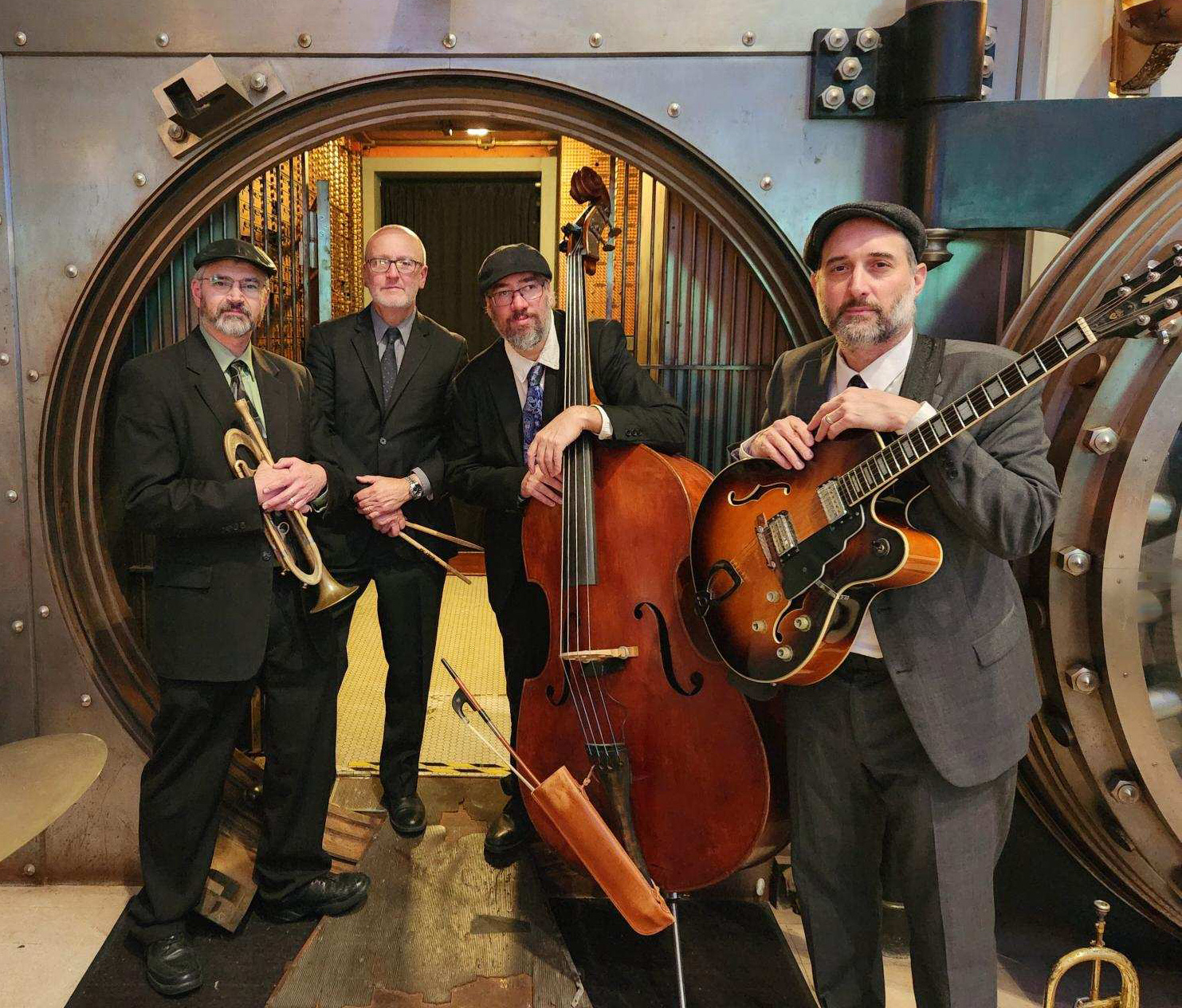
The Arch Stanton Quartet offers two presentations that bring together music and literature. Both are inspired by classic American novels.
“Shadow & Act: Music Inspired by Ralph Ellison’s Invisible Man” presents a program of original jazz compositions and readings based on Ralph Ellison's “Invisible Man,” a classic American novel published in 1952, offering a first-person fictional account of an unnamed narrator’s attempts to navigate complex racial and social relations in the first quarter of the twentieth century. ASQ’s program includes three original jazz compositions inspired by scenes or motifs from “Invisible Man,” along with a rendition of Fats Waller's “Black and Blue” – a tune which figures prominently as a literary device in the novel. The performance also includes readings from Ellison’s book.
"Exploring the Sheltering Sky: The Music and Words of Paul Bowles" is a presentation of music, readings, and reflections inspired by Paul Bowles’ celebrated 1949 novel “The Sheltering Sky.” Through original compositions of their own – as well as readings from the novel and adaptations of Bowles’ own musical compositions – the Arch Stanton Quartet weaves together a performance experience as mysterious and captivating as the novel itself.
The programs are suitable for school assemblies or more intimate classroom presentations, and the band can also work with students and ensembles in a tailored workshop setting, if desired, exploring topics such as composition, improvisation, ensemble playing, and how music intersects with other art forms.
Longtime fixtures of the Capital Region jazz scene, ASQ performs original jazz that is experimental, yet rooted in bop and post-bop traditions. The band’s debut album, Along For The Ride, was released in November 2012 on WEPA Records. In March 2013, ASQ embarked on an exploration of its own in North Africa. The band’s jazz-diplomacy tour of Egypt included performances and workshops sponsored by the educational organization AMIDEAST, the U.S. Embassy Cairo, and the Center for American Studies at the American University in Cairo. That experience inspired a second album of original compositions, Blues For Soli, and its “Lady Egypt” suite, also released on WEPA Records.
1st Amendment-1st Vote
1st Amendment-1st Vote, Inc is a non-partisan civic engagement opportunity for high school teens who identify as girls to engage in the democratic procress and impagine themselves in elected office or professional government-relations positions. Our VISION: gender parity in US elected offices at local, state and national levels. In 2020, this pathway to government leadership program produced an award-winning short film series: "Virtual Video Visits to 11 Historic Sites Along the Central NY Women's Rights Corridor" highlighting the legacy and way-of-life of Haudenosaunee Clan Mothers.
Nick Scott
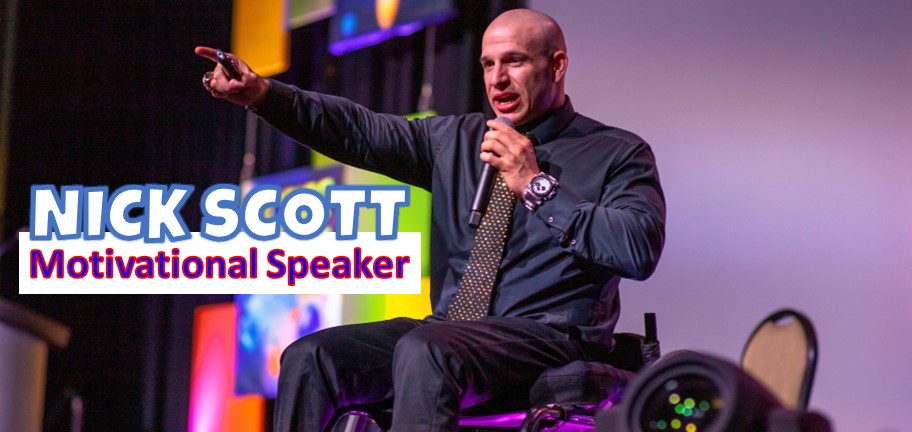
Nick Scott, motivational speaker, inspires students with his journey, emphasizing the importance of starting right. His programs cultivate leadership, teamwork, and decision-making skills, empowering students to make meaningful contributions. Learning outcomes focus on self-esteem, respect, and courage. Nick engages students at all levels, instilling the belief that education is key to achieving dreams. His 45-50 minute assembly promotes kindness by helping students to understand that it’s OK to be Different!
The Tales of Scuba Steve

Scuba Steve will read and discuss portions of his book(s) with students, there will be video and photos to bring the books to life.
Scuba Steve will engage with the students, speaking and answering questions about what inspired him to become a professional scuba diver and environmental conservationist and how he was able to redirect this passion into writing books as well as his writing process.
Additional topics will include current issues facing the marine environment, its inhabitants, and what each of us, even children, can do to help.
Proceeds from book sales go to his “Read4Reefs” program to help ensure their sustainability and future.
Brian Rush
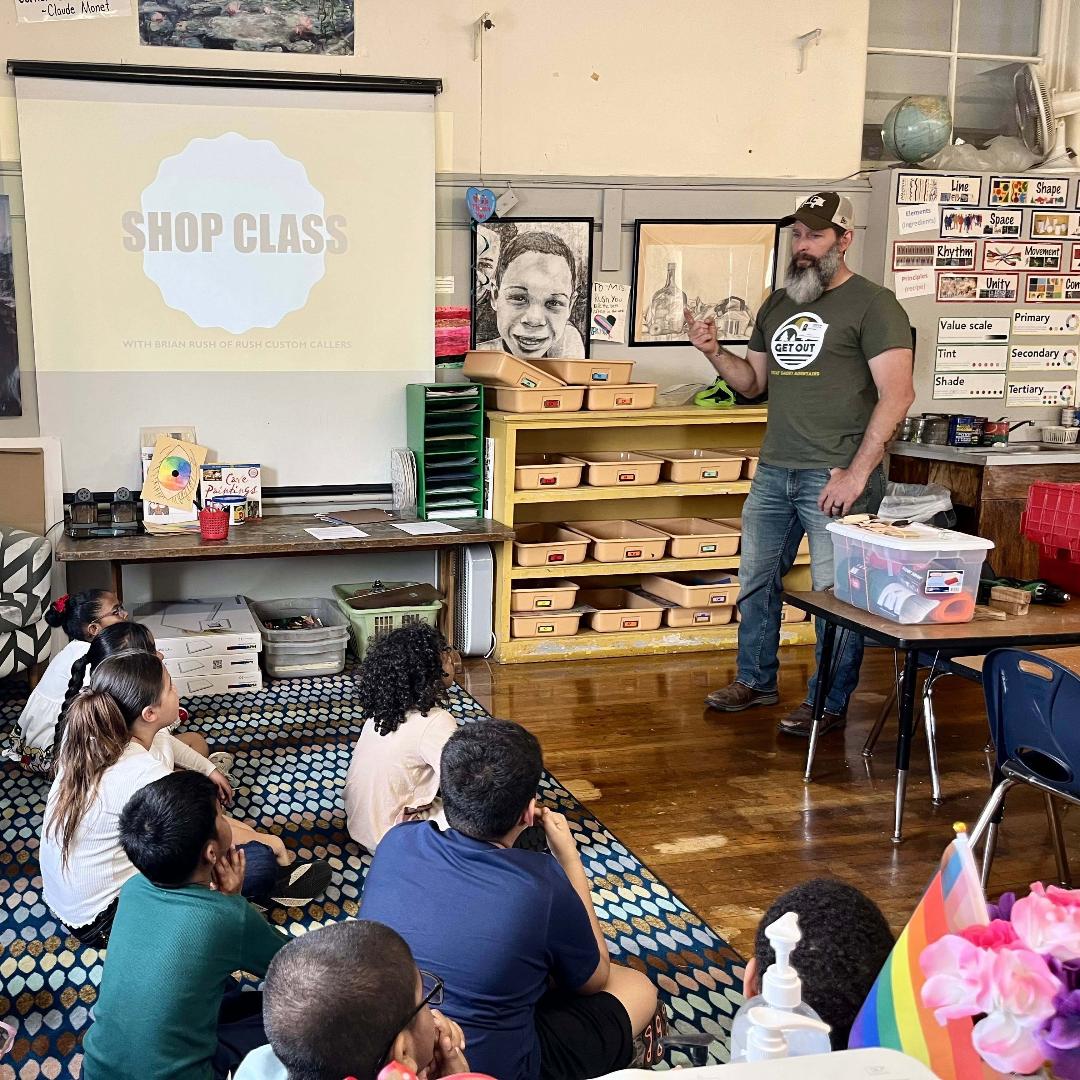
Traveling shop class is a unique program that makes wood working accessible and safe for students grades PreK-8.
Students learn about a trade that is both a career and an art form. Students get to make wood sculptures with specialized tools in a safe environment; all materials and supplies provided. With guidance and one-on-one attention, students will design and create their own unique wood sculpture to make and keep.
Traveling shop class easily aligns with any visual arts curriculum addressing goals for sculpture, critical thinking and problem solving, culture and careers. Traveling shop class addresses the NYS standards for the visual arts for creating and connecting. Students will generate and conceptualize artistic ideas and work. They will organize and develop their ideas and work experimenting with forms, materials and artmaking approaches, balancing experimentation with safety and responsibility, while interacting in ways that enhance and empower their lives.
Through artmaking students develop awareness, knowledge and experiences, and solve artistic problems. Part of the traveling shop class presentation is about environmental conservation which has cross curricular connections to science goals for habitats. 21st Century Skills such as critical thinking, creativity, social skills, communication, flexibility, problem solving, productivity, adaptability, curiosity and imagination, self-direction and perseverance are embedded as students plan and build, share, take turns, make corrections, and practice safety.
Traveling shop class programming is easily adaptable for unique school-wide or individual class experiences including a modified format to be inclusive of all abilities.
Magic of Reading
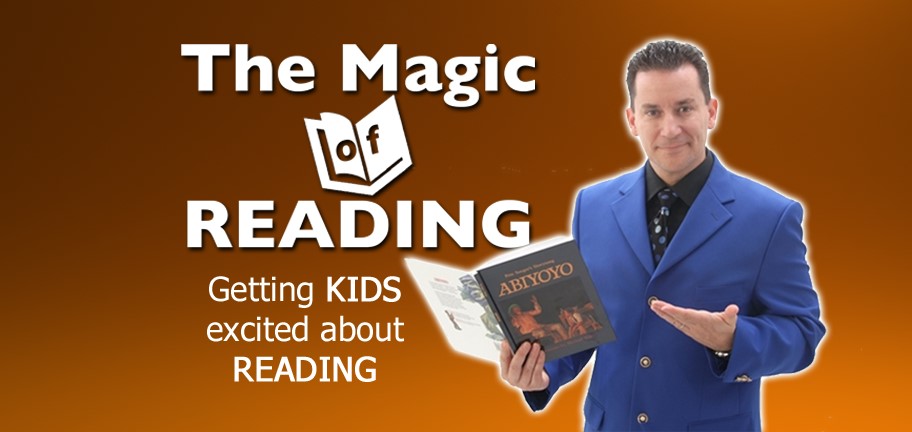
The Magic of Reading with Brian Richards is designed to tickle the imagination, highlight the fun of reading, and encourage children to explore the library. This elementary reading school assembly will inspire your students to open a book and start reading!
Featuring magic, comedy, audience participation, storytelling, and educational fun, The Magic of Reading assembly show is a hit with students, teachers, and staff! Librarians, Teachers, PTA Presidents, Principals, Students, and Parents have and continue to give amazing reviews for this program.
This elementary reading school assembly show promotes reading and the importance of visiting the library, utilizing Magic, Comedy, Storytelling, and Audience participation. The Magic of Reading will touch on reading genres and the types of books found in the library, including Fantasy, Adventure, Mysteries, Science Fiction, Horror, Non-Fiction, and more. The show features the books “The Empty Pot” and “Abiyoyo.”
Connection to Creativity
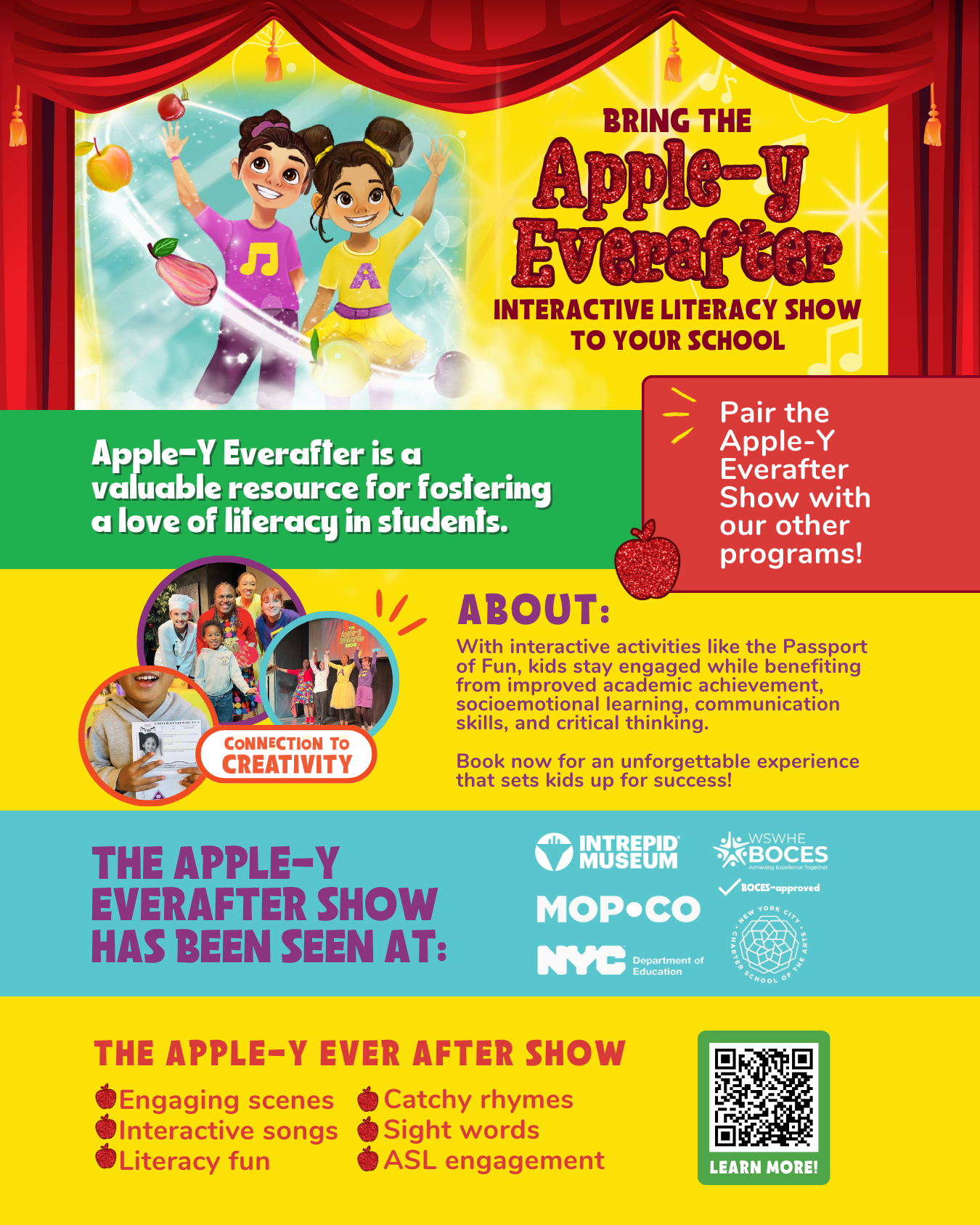
The Apple-Y EverAfter Show is an arts-infused literacy program designed to spark imagination, strengthen reading comprehension, and inspire a lifelong love of reading in students from Pre-K through Elementary.
Our program captivates children’s attention with catchy rhymes, sight words, and interactive songs that make literacy fun. In addition, through music, dance, and delicious apple-filled adventures, the show teaches kids to be brave, try new things, and celebrate cultural differences.
Students will be actively engaged with interactive activities throughout the show. Theatrical experiences have been proven to not only benefit students’ academic achievement, but to also foster socioemotional learning, improve communication skills, enhance memory and concentration, and develop critical thinking skills.
You also choose one of our add-on programs as part of the student experience:
Cuddle and Read: with this program, kids create a cuddly reading pal, celebrate with Judge Bear’s adoption ceremony, and take home a Reading Tracker. Schools get a year’s supply to keep the reading fun alive!
Playful Picasso: with this creative literacy program, books spark imagination and stories leap off the pages. Students begin with a playful scavenger hunt, then bring their discoveries to life through painting or a hands-on activity. This experience helps strengthen comprehension, encourages self-expression, and builds confident, joyful readers
So join Novel, Novella, and Chef de Pomme as they hop from one exciting destination to the next, whipping up scrumptious apple desserts and learning that everyone can grow to love apples—maybe you will too!
Let’s bring this adventure to your students!
Diane Edgecomb
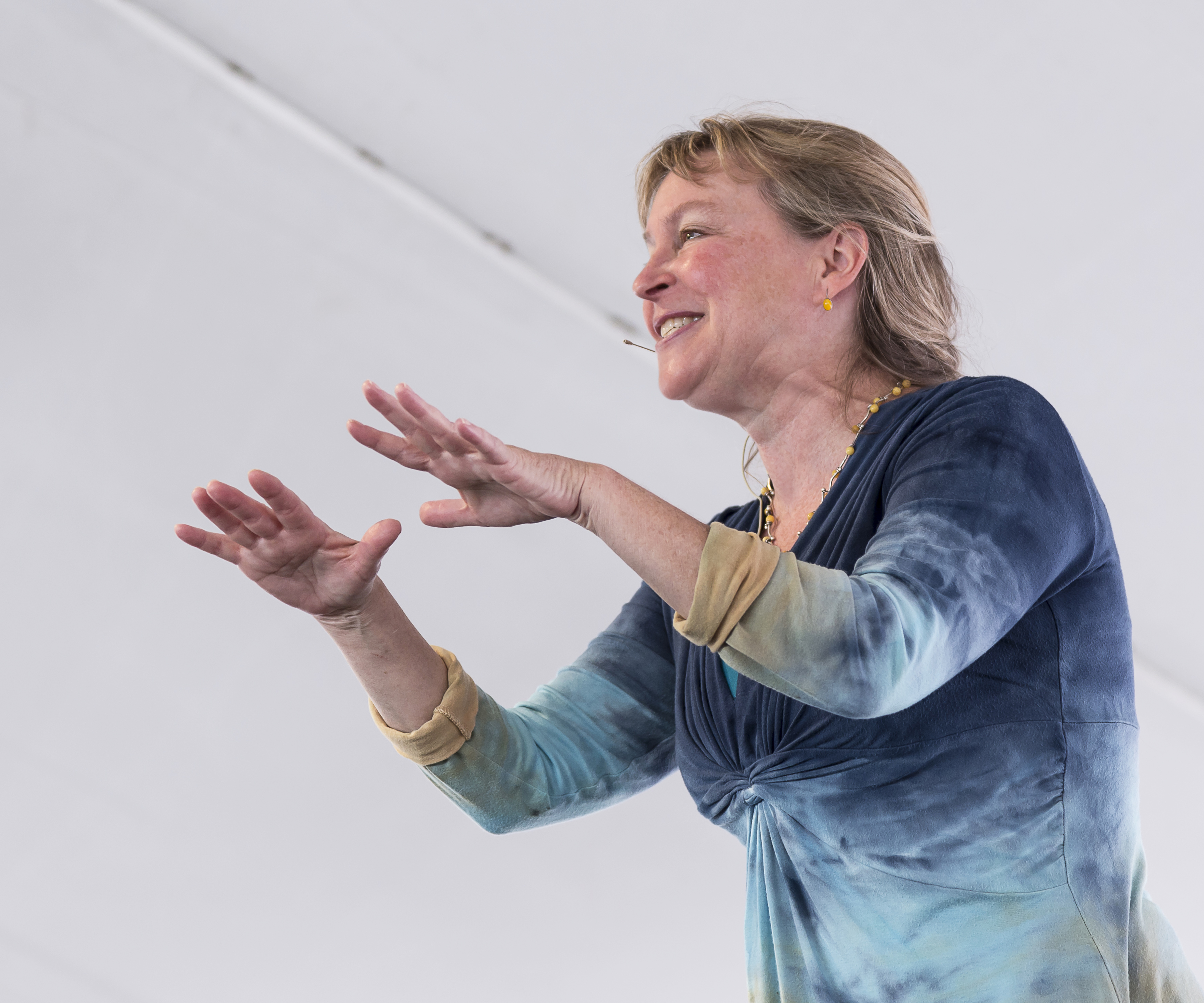
Diane Edgecomb brings top quality entertaining performances to your school that enhance elementary school curriculum. Folk & Fairy Tales! Myths! Environmental Literacy! Seasonal Nature Tales for young learners! Diane’s dynamic storytelling assemblies get every single student excited about core-curriculum topics, proving once again that story is the shortest route to imaginative learning.
Choose from performances designed to enrich and engage: Folktale Superheroes around the World dovetails English core studies in folktales and myths. Students discover that folktales from China, Africa and South America all have their own versions of Superheroes! Tales for the Earth teaches important lessons about bio-diversity and water conservation through Diane’s engaging original tales. Environmental literacy can be not just meaningful but fun.
Looking for something for K-2? Choose Diane's Seasonal Nature Tales for young learners: Fall Tales Celebrates how the leaves got their colors and the Star in the Apple, Spring is for Planting Seeds, Nesting Birds and Composting Adventures, Insect Comedy teaches about the value of our six-legged friends through entertaining and informative stories sure to get students excited about the unbelievable lives of insects.
Diane galvanizes student’s learning with award-winning stories. Give your teachers a helping hand in meeting English Core Curriculum requirements with Diane’s follow-up master class in storytelling techniques. Students learn about the power of their own imaginations through hands-on exercises sure to have everyone participating. By the end of the workshop, each student is retelling a folktale to a partner an English core-curriculum requirement!
“Your stories were wonderful. The teachers and the students agreed that your presentation is one of the best we’ve ever had. Thank you so much for bringing to life our study of myths and legends.” - Missy Thomson, teacher and school librarian, Woodville School, Wakefield, MA
“Ms. Edgecomb had even the most restless audience members completely mesmerized. Her physicality, variety of voices/sounds, involvement of her young charges, and respect of nature ~ appealed to me as well as my students. Thank you! The program was first rate.” - B. O’Connell, teacher, Ralph Talbot School, Weymouth, MA
Diane has received numerous awards for her work, including the ORACLE award for storytelling excellence in the Northeast, the national Circle of Excellence award and the Parent’s Choice Silver. Diane has been featured on NPR and is one of New England’s favorites storytellers as recommended by Elementary library school collection.
Mallory Zondag
Living Wall Fiber Art Community Program
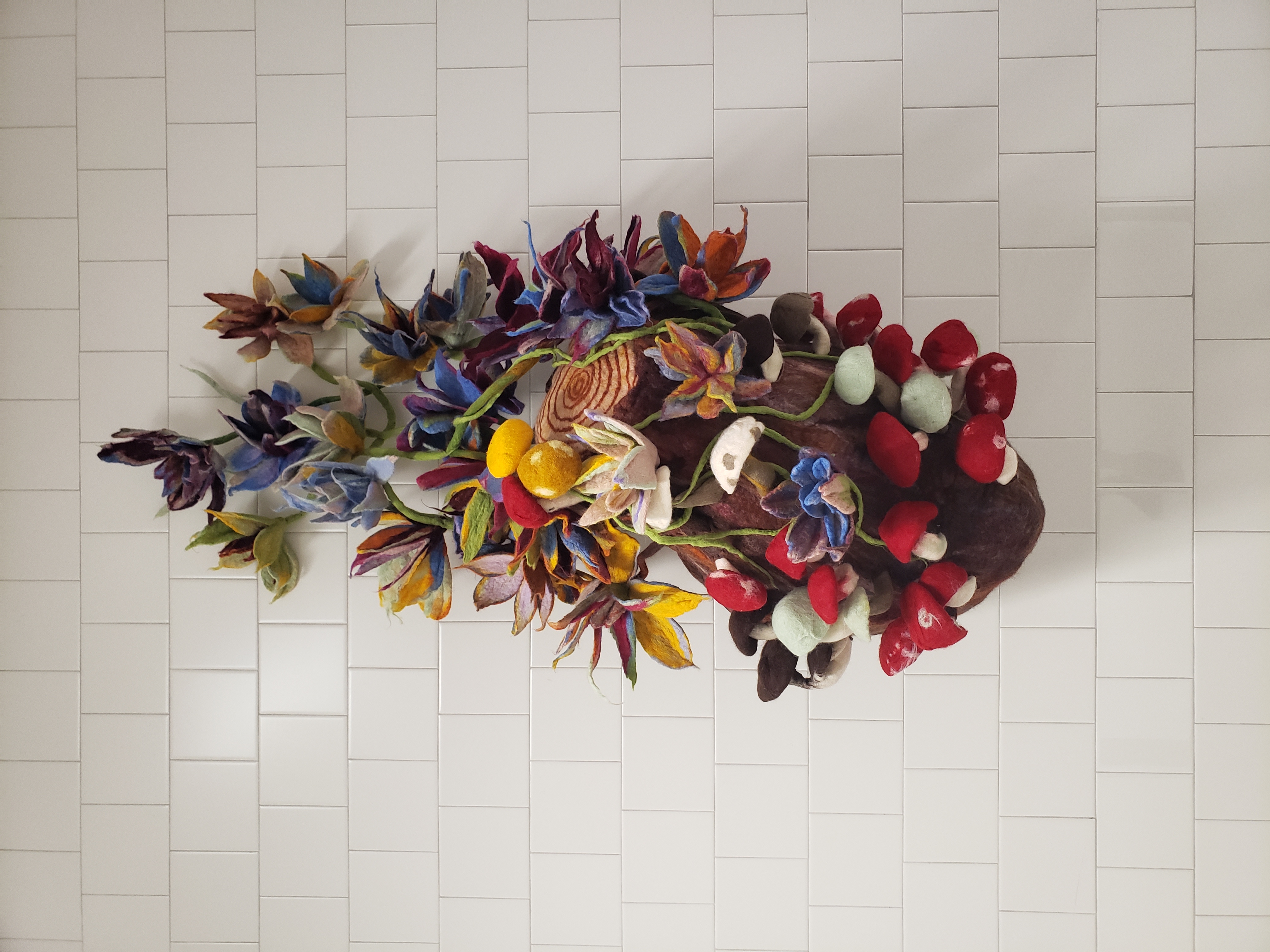
The Living Wall is a community based, collaborative art program that focuses on the hands-on art of wet felting. During this program students learn a variety of felting techniques to experience how wool can be sculpted and painted with to create three dimensional forms, patterns and unique fiber creations. Over the course of three sessions, participating classes will learn to wet felt flowers, mushrooms, moths, leaves, stones and vines using different hands on felting techniques. They range from techniques that are purely hand based, meaning no extra tools are needed which are best for grades k-2 and techniques that require felting mats that are provided by myself, the teaching artist, which are best for grades 3 and up. Those felted pieces of flora and fauna are then added to one large piece of background felt to create the look and feel of a living wall. It is an organically textured quilt or 3D sculptural base is made entirely of hand felted wool and will sometimes represent trees, roots and branches. The final piece will be hung at the school in the location of the schools choosing.
The Living Wall is meant to be a reminder of how important green spaces are to human beings, how important our environment is and how we need nature in our lives to be healthy and happy. It serves as a lesson in using, understanding and appreciating natural fibers, as well as learning about the sustainability of wool. It is also a symbol of community and the beauty of working together to create one beautiful piece of work. In the same way an ecosystem has many individual elements that work together in harmony to create beautiful natural spaces and systems that benefit us all.
The cost of this residency program is $6250 which includes all materials, tools, in class time and the assembly of the final sculpture. There may be an additional cost to the program that will be dependent on the distance to the school and the length of the program to cover travel costs.
Emily Kalish and Kyle Walker
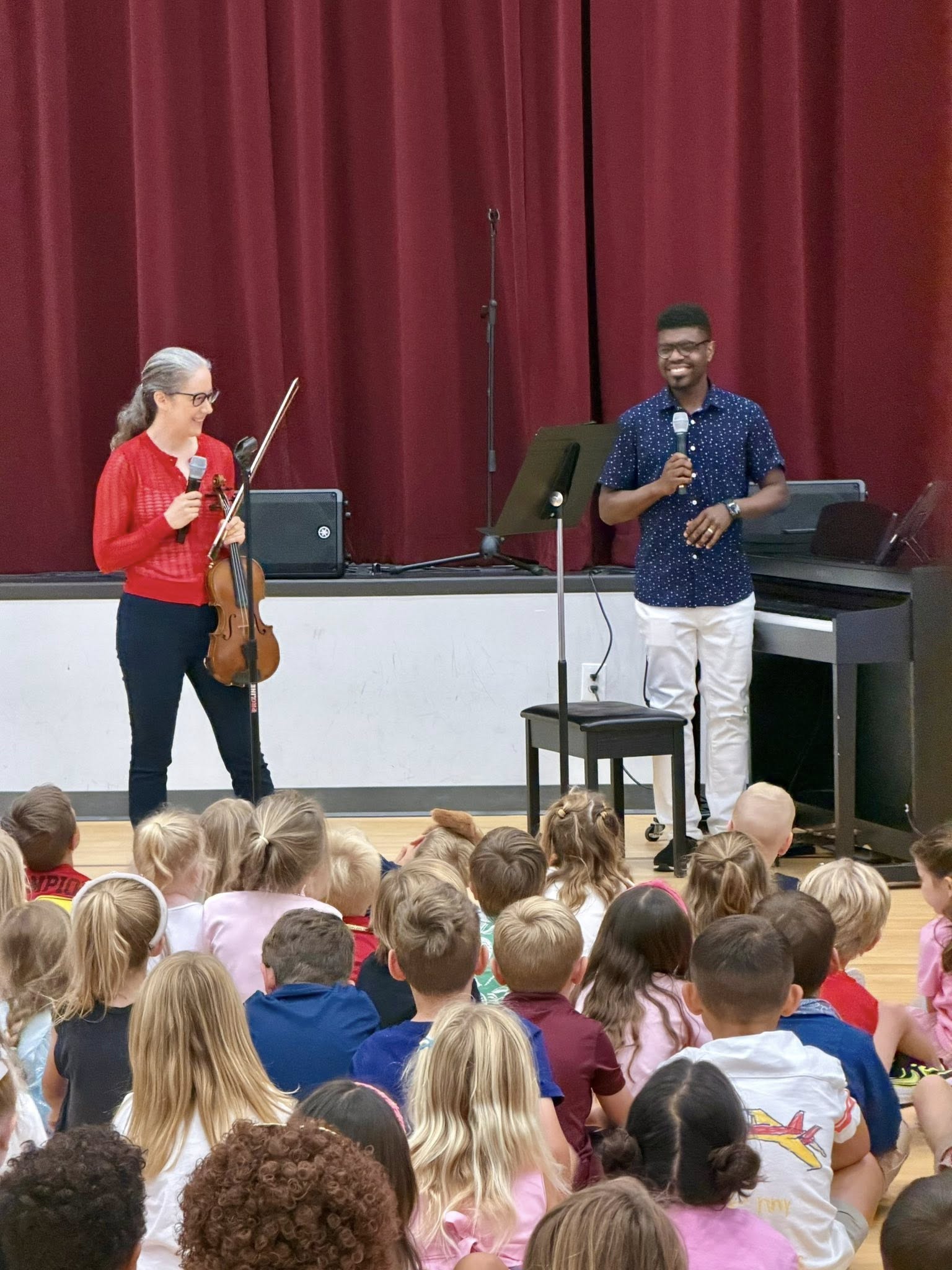
The Kalish/Walker Duo offers interactive educational violin/piano performances for kids from pre-K through high school. We currently have the following shows ready to go; these can be adapted to different formats or audiences, depending on your needs. We’re also excited to write new shows to connect music with any other curriculum or theme you want us to cover. Available for masterclasses, chamber music coaching, and sectionals as well.
A Whole Wide World of Musical Moods
In this interactive performance, children will respond to classical music through movement, coming up with stories or scenes that match the musical ambience, and making art in response to the music. Featuring music by important female composers and black composers, students are encouraged to believe that they too could become composers one day. Grade levels: K-2, Categories: Music, Music-Classical, Social-Emotional Learning, Diversity Equity and Inclusion
Musical Adventures in American History:
Thomas Jefferson, Violinist in Chief
Thomas Jefferson was not only the author of the Declaration of Independence and America’s 3rd president, he was also an accomplished violinist. Students will sing, dance and clap to the music that Jefferson himself knew and played. We’ll explore the musical form of “theme and variations,” with students identifying mood and emotion in music, and explore the American Revolutionaries’ fight for independence.
Grade levels: K-2, Categories: Music, Music-Classical, Social-Emotional Learning, History
Musical Adventures in American History: Thomas Jefferson, Revolutionary and Violinist
Students will explore music from the time of the Revolutionary War (from fiddle tunes that Thomas Jefferson actually played in the White House to beautiful ballads like Johnny Has Gone for a Soldier), as well as later musical selections that illuminate American history and the ideals of the Revolution. Students will identify changes of mood and emotion in a theme and variations and learn to create and listen for hemiola (changing between 6 8th notes being divided into 2 groups of 3 and 3 groups of 2.) Grade levels: 3-5. 6-8 Categories: Music, Music-Classical, Social-Emotional Learning, History