Regions Map
X
Tang Math

-Math enrichment games, programs, professional development for grades K-5.
-Virtual Math conferences and workshops.
-Tang Math site subscriptions and Tangy Tuesdays and Wordy Wednesdays worksheet subscriptions for teachers
-Tang Math Site subscription for teaching resources
Lauren Nels, The Artist Seen
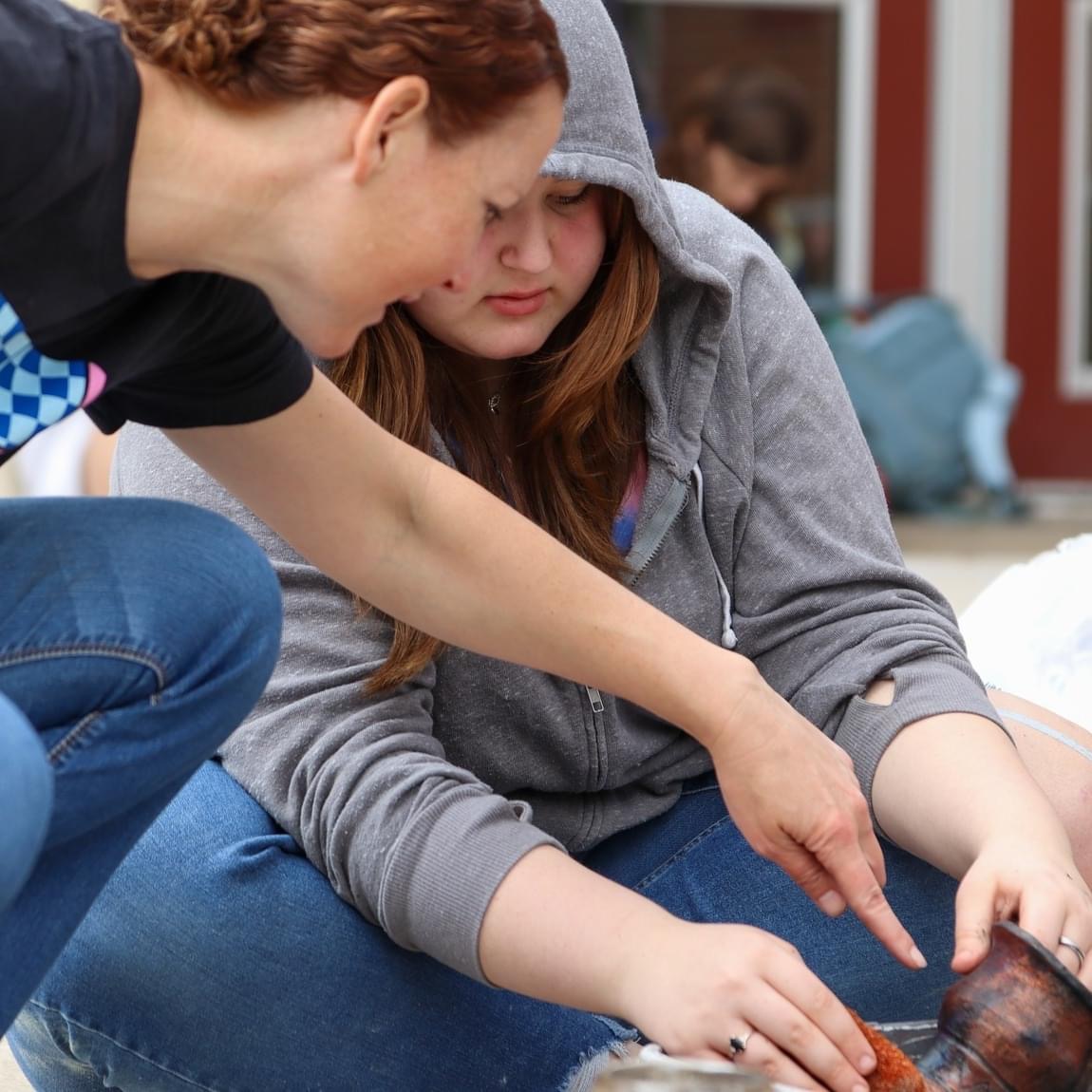
Student or Teacher Raku Pottery Workshops
Are you interested in doing raku firing with student artwork? Interested in a teacher raku firing day? I bring the firing to you! Contact me for information about how to set up a day-long visit.
Catskill Art Space

CAS Kids offers free arts-education to local children with weekly classes. Every Wednesday, children experiment with drawing, painting, and mixed media while learning new techniques and expressing their unique imaginations. Every Thursday, children explore the performing arts through games, improvisation, and acting. They'll build confidence, spark imagination, and learn to work together while bringing stories to life. Every second Saturday of the month, children unleash creativity in the art studio with a variety of drawing, painting, and mixed media workshops. Please visit our website for more information and registration.
Teaching Artists ROC
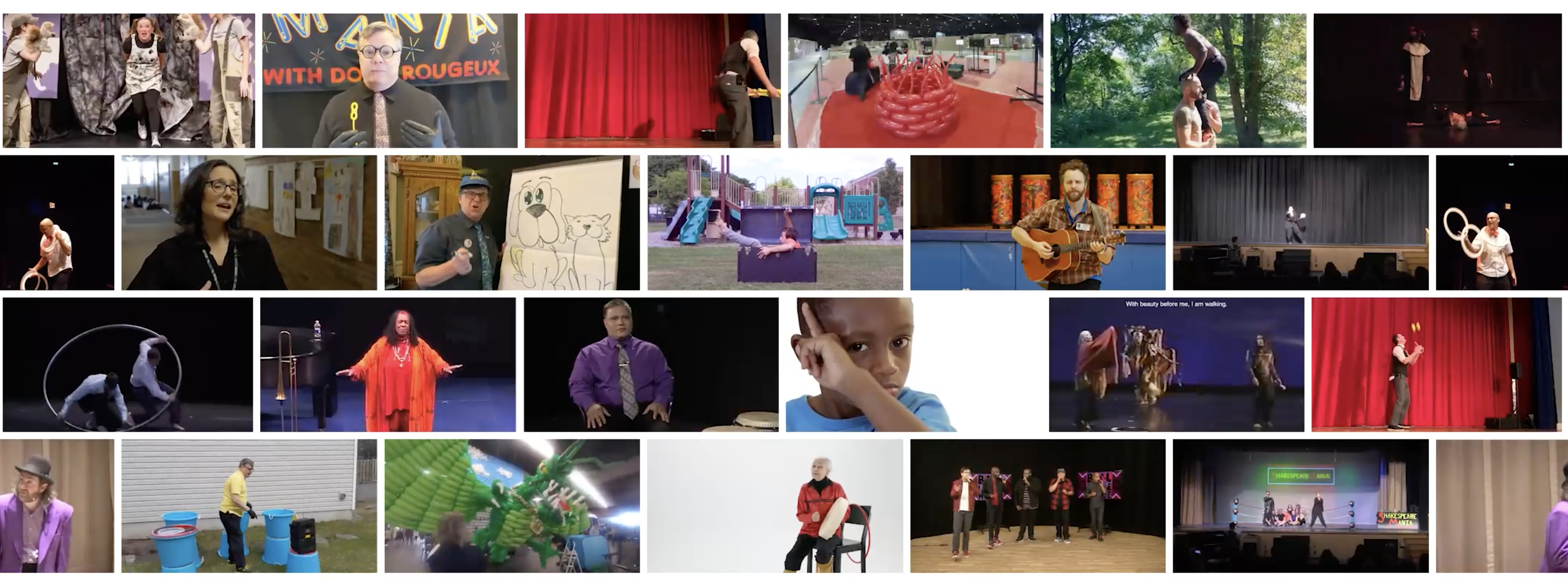
Teaching Artists ROC places teaching artists in area schools, after-school programs, senior centers, civic/cultural spaces and local events. These performers and artists enrich existing curricula and support programming by introducing participants to new ideas, concepts and cultures. Outlets of expression are provided for people of all ages, abilities, and walks of life.
Who We Are
We are independent teaching artists and ensembles sharing a common interest in providing meaningful arts learning experiences for students of all ages. As teaching artists, we share the skills and perspectives we have developed through years of dedication to our disciplines. We don’t just teach our art. We teach a variety of subject areas using our art.
Each artist on our roster is different. Each has something special to offer.
Sharmilla Fassbender
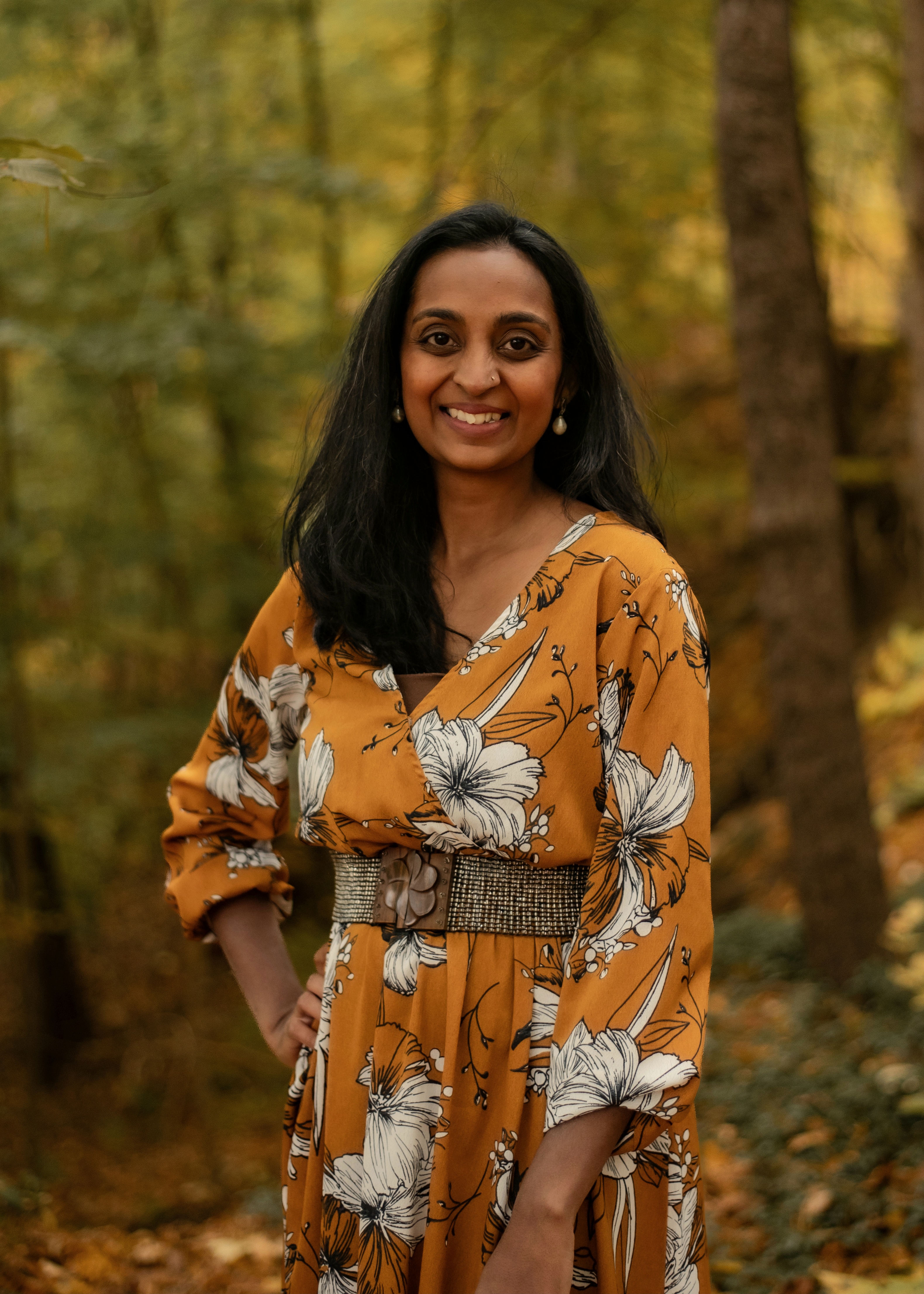
As a read aloud advocate, I believe in the power of stories to nurture empathy, self-confidence, and imagination in young readers. My award winning books focus on social-emotional themes that support early childhood development, creating meaningful narratives that resonate with children, educators, and parents alike. *Fantastically Me!* (ages 0-8) touches on themes of self-belief and growth mindset. Whereas *Making Friends Together * (ages 0-5) is a board book that addresses kindness and friendship.
In my author visits, I bring these stories to life for students up to 2nd grade through engaging, interactive read-aloud sessions, inviting children to explore their own feelings and ideas in a fun, safe environment.
For older elementary students, I offer hands-on writing workshops that guide them in crafting their own stories, encouraging self-expression, creativity, and a love for writing. These sessions are designed to inspire confidence in young writers, from filling in imaginative story blanks to creating characters and worlds that spark their curiosity. With each visit, my goal is to leave students not only with a memorable experience but also with the tools and encouragement to tell their own stories.
The bFit Show
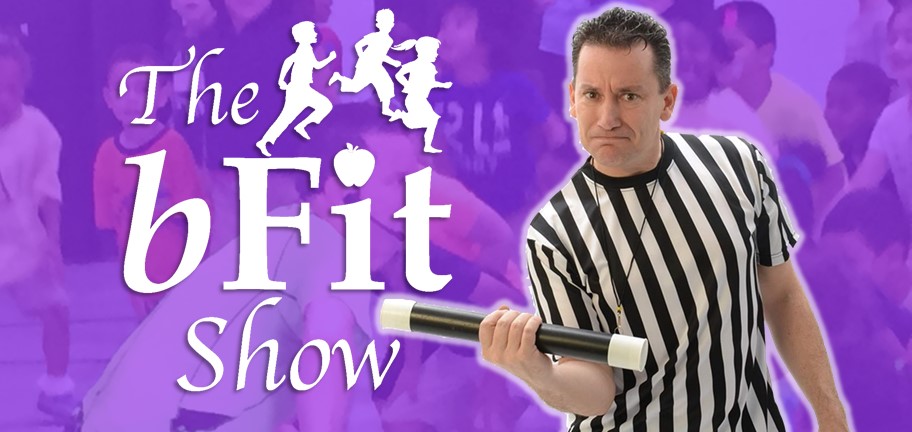
Your school will be amazed at the magic. They will laugh at the hysterical comedy. But most importantly, they will get excited about being Fit! The bFit Show is a 45-minute elementary fitness and nutrition program designed to get your kids interested in getting Fit. The show uses magic, comedy, juggling, music, and tons of audience participation to deliver a powerful and motivational message that kids in America need to hear! The bFit Show uses magic, comedy, juggling, and audience participation to get your elementary school excited about eating healthy, fitness, nutrition, and exercise! Students, teachers, parents, and administrators will love and talk about The bFit Show for days, weeks, and months to come. And this program may help your school fight child obesity, diabetes, and heart disease! The bFit Show with Brian Richards is an elementary health and fitness assembly that will get your students up and moving!
Act With Respect Always
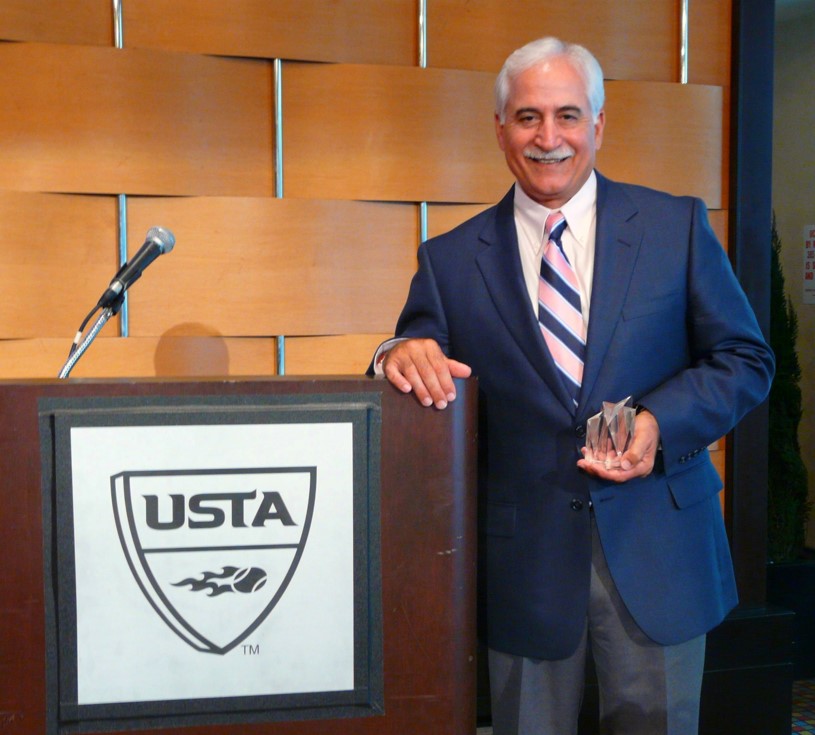
Act With Respect Always is a “pay it forward” movement stressing the importance of one’s personal character. Through presentations and continued communication through mailings and social media,
Act With Respect Always hopes others will join this mission or way of life and look to improve the world around them daily. Stressing kindness, love, compassion, empathy, acceptance and gratitude, Rich strives to make everyone aware of their daily actions. He introduces to each audience the 99% (Whats Your 99} and the 1% (Accept The 1), a personal character assessment plan. With this knowledge each person can access their own character “score” every minute of every day. The 99 has now brought the concept of mindfulness to everyone, to help to constantly draw ‘reflection’ towards their actions.
Introducing The Visible Project to every audience has encouraged everyone to send notes of gratitude to someone: a friend, relative, a teacher or anyone that has shown kindness to them. The hope is that everyone will create their Solid Five (Who Are Your Solid5) connections that can be cultivated. They are the people who you can go to anytime, anyplace for physical and emotional support without judgement.
Children's Food Lab
The Children’s Food Lab brings food and nutrition education to schools throughout the NYC and Mid-Hudson region. The Children’s Food Lab (CFL) offers food arts and sciences discovery labs, where curious minds of all ages can connect to the transformative power of food — food that is integral to the health of their bodies, minds, communities, and environment.
CFL labs are hands-on, multi-sensory with a STEAM-based approached. They incorporate science, technology, math, nutrition, social studies, ELA, and the arts whenever possible. Students learn the incredible stories behind ingredients they eat all the time, foods like corn, wheat, milk, eggs, herbs, oats, vegetables, spices, cacao, and on. Students explore how food is grown, processed, and prepared, as well as how their food choices affect the health of their bodies and environment. The context and backstory of each ingredient creates a deeper connection between students and their food – a connection that will last a lifetime and shape the course of a child’s health and well-being.
1000 Acres Ranch Resort
We offer a historically rich heritage of hosting guests of all ages, sharing the spirit of the wild Adirondacks for all who venture here. 1000 Acres Ranch was founded in 1942 by Jack and Ester Arehart. Located on the banks of the Hudson River, in the heart of the Adirondack Park, the ranch offers guests the opportunity to immerse themselves in the beauty of the Adirondacks while having a true dude ranch experience. Over the decades, the ranch gained the reputation of being “The Cadillac of Ranches” and “The Pearl of The Adirondacks.” We pride ourselves on upholding that reputation to this day. Delight in the beauty of the Adirondacks and experience trails the way they did in the wild west - on horseback. For almost a century 1000 Acres Ranch has offered guests an Adirondack experience not found anywhere else. Get a taste of the rugged cowboy life – but with a few more of the modern amenities and activities.
Rumbon Dance Studio
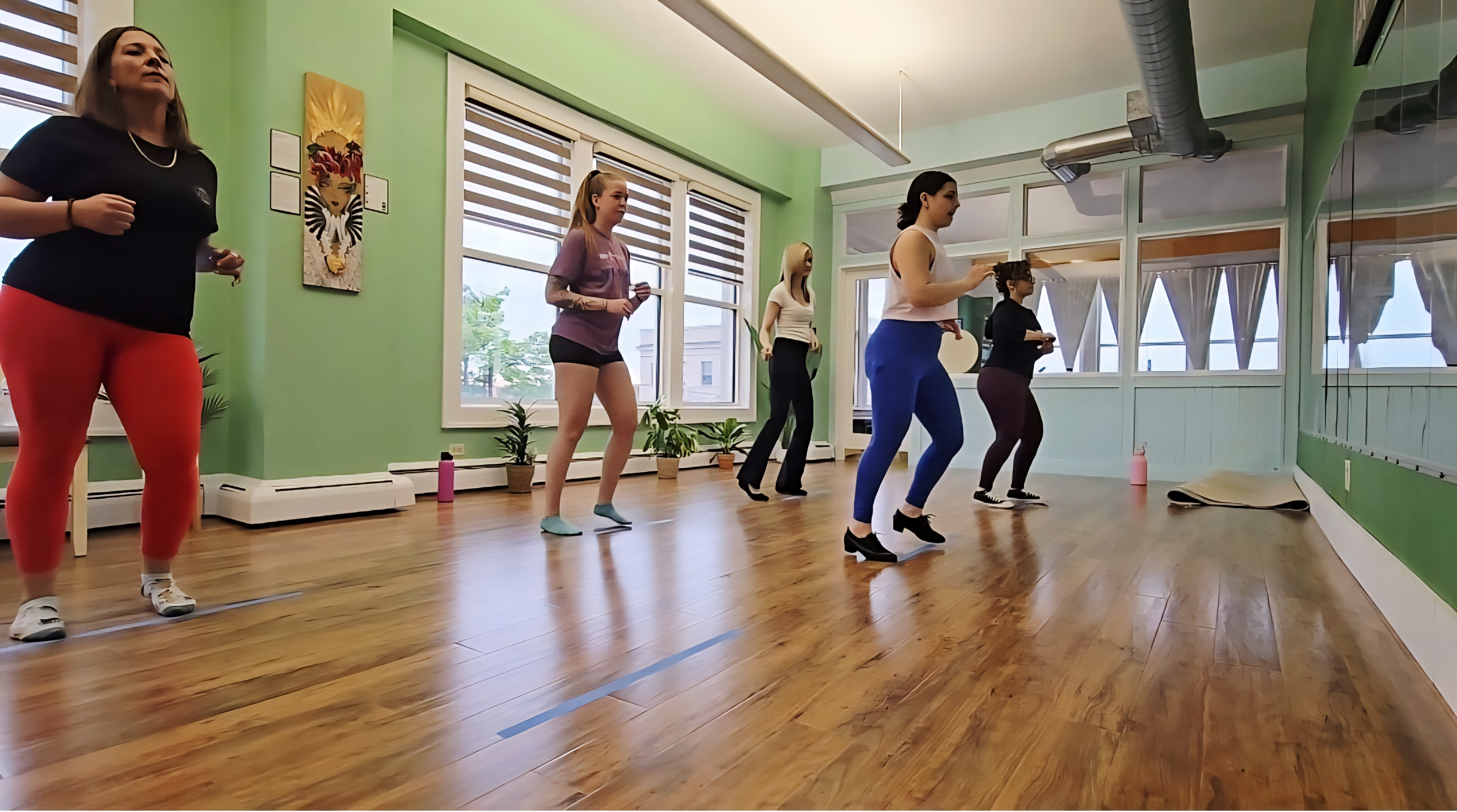
Rumbón Dance Studio, LLC is a dance studio that teaches Colombian-style salsa dance for beginner- and intermediate-level dancers. We also offer cardio classes and performance choreography in various dance styles.
Partner and solo salsa dance develop personal skills such as patience, respect, self-awareness and emotional expression, physical skills such as balance and stamina, and musical skills such as rhythm and phrasing. Workshops and classes are perfect for work with students in school musicals, ice-breaker, team-building or social-emotional learning activities, after-school programming, as well as staff development and events.
Nate Gross
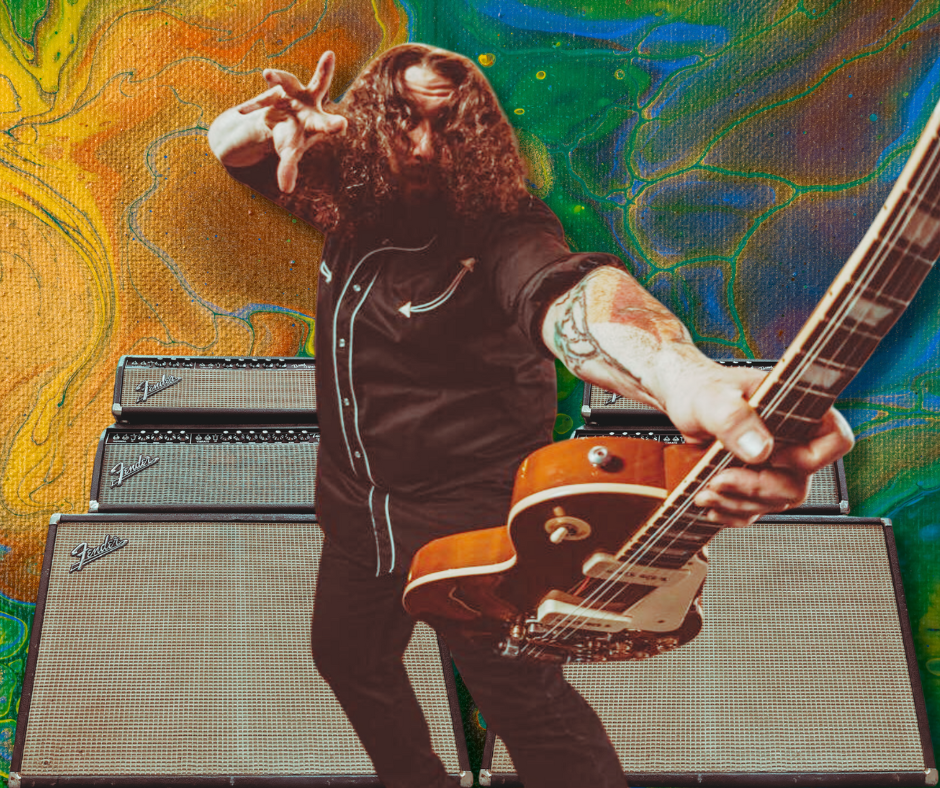
Dear School District Administrators and Educators,
As both a lifelong musician and a proud product of our public school music programs, I’m passionate about bringing real-world music industry experiences into classrooms across New York State. I’ve had the privilege of working with many districts to design exciting, hands-on programs that inspire creativity, connect to STEAM principles, and align directly with state learning standards.
My Music Industry Programs combine songwriting, instrument design and repair, live performance, and recording arts—giving students the opportunity to create, innovate, and explore the many sides of the modern music world. Using tools like 3D printers, CNC machines, and digital audio workstations, students connect engineering, math, technology, and art while building instruments, writing songs, and learning to play. These programs encourage collaboration, problem-solving, and self-expression—skills that reach far beyond music class and into every academic subject.
As an educator and professional musician, I’ve shared the stage with legendary artists including Walter Trout, Mike Zito, Dickey Betts (Allman Bros.), Tommy Castro, Blackberry Smoke, Levon Helm (The Band), and Arlo Guthrie. I’ve toured with the Masters of the Telecaster (featuring G.E. Smith (SNL), Jim Weider, and Duke Levine (Bob Dylan)), received recognition from the Louis Armstrong Jazz Foundation, Berklee School of Music, and won Best Blues Recording from the Syracuse Area Music Awards two years in a row. I’ve also performed at major events like the NYS Blues Festival, Taste of Country Festival, Chenango Blues Festival, and countless sold-out venues across the region.
Beyond performing, I’m deeply invested in arts education and community development. I’m the founder of a thriving Music School in Norwich, NY, serve on the Board of the Earlville Opera House, and act as Main Stage Music Coordinator for the Colorscape Chenango Arts & Music Festival. I also co-founded the Oxford Academy Summer Theater & Performing Arts Camp, Founder of the Norwich Youth Bureau Summer Guitar Camp and provide specialized backline support for touring artists—all of which help connect students to authentic, working examples of the music industry.
Music is not just for the music classroom—it enhances literacy, history, math, science, and emotional intelligence. I believe every student deserves the chance to discover their creative voice, and I’d love to collaborate with your district to design a personalized, engaging, and unforgettable program for your students.
Let’s create something extraordinary together!
Goat on a Boat Puppet Theater
Goat on a Boat is a nonprofit puppet theater that has been building, performing and presenting a variety of puppet shows for young children and their grown-ups since 2001.
Shows can fit into classrooms, auditoriums or can be performed outdoors from our Puppet Truck stage. Using a variety of puppetry styles, our shows are based on well-loved classics as well as original stories about friendship, the environment and more.
Puppet making workshops provide the opportunity for young students to improvise their own stories, to work together to create characters, build sets, stages and puppets. At the end of each workshop, there is short performance where students can share what they've made.
Our residencies provide the time and space to create longer, themed shows that can connect to STEM classroom learning objectives.
Goat on a Boat also offers Professional Development workshops that teach educators how to make a variety of puppet projects to use in the classroom as well as how to manipulate and how to make their puppets come to life.
We believe that Puppetry is the gateway to a life-long love of Theater and the Performing Arts. This unique art form brings Art to life and engages children's imaginations in so many valuable ways.