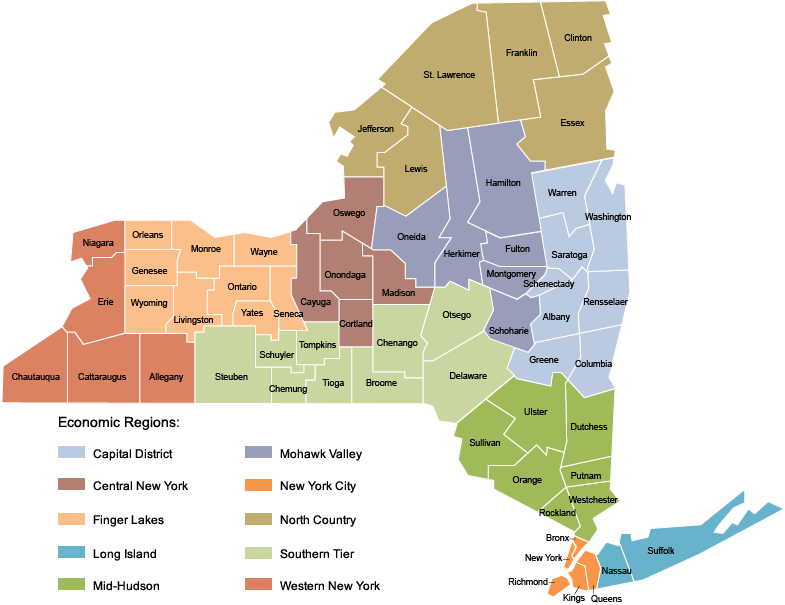
Regions Map
X

Stephen Hill, Speak Sobriety
Card image
School Assembly: First Choice & A Second Chance This program begins with an introduction video aimed at knocking down the stigma attached to substance use disorder, educating the audience on the current drug epidemic, and setting the stage for a powerful, honest and heartfelt story. During interviews with Stephen’s family, it becomes clear he had a great childhood. “No one saw this coming.” Through sharing his lived experience, Stephen shows how mental health struggles can lead to addiction, the consequences of substance use, and how stigma prevented him from asking for help and contributed to his inability to recover. His storytelling technique allows each individual person to draw conclusions in their own meaningful way as it relates to their own life. By focusing on the progression of his dependence—beginning to end—attendees will gain a better understanding of how the choices they make today will affect them, and those around them, for the rest of their lives. The trifecta gateway drugs of nicotine, alcohol, and marijuana introduced to Stephen in 8th grade by older peers was just the beginning, eventually leading to self-destructive behaviors, criminal convictions, and a deadly opioid addiction that Stephen directly states he would have never made it out alive if fentanyl was as prevalent during his addiction as it is today. He takes you through his struggles and extremely difficult times, then slowly transitions into sobriety—emphasizing that recovery is possible. Through practicing gratitude, healthy routines, and changing his mindset to view his challenges as opportunities to inspire others, profound changes began to happen in Stephen’s life. The pivotal moment occurred just before he celebrated one year of recovery. Stephen was given a second chance to turn his mess into a message by working in the field of addiction treatment and prevention. From there, he gained the confidence to share his story, go back to college and eventually law school. Today, he speaks all across the country to inspire others to lead healthy, substance-free lives. Attendees will leave this program better educated on mental health and substance use, with practical tools and coping skills to work through challenges, a better understanding of the ripple effect—how our actions influence and impact others, and with a goal-oriented mindset to build a life worth protecting. Breakout Sessions: Break the Silence As a follow-up to the assembly, breakout sessions build on Stephen’s talk and focus on reinforcing key concepts. These sessions offer students a unique chance to ask personal questions and engage in open discussions in a comfortable, intimate setting. Each session delves deeper into the most crucial topics covered in the assembly, allowing students to ask relevant questions and share their takeaways. Typically held in Health and PE classes, these sessions can be tailored to specific grades or customized schedules. Stephen’s Breakout Session worksheet allows students to submit anonymous responses, fostering honesty and openness. The anonymous data collected offers critical insights for schools, helping them identify areas where further support or follow-up might be necessary. Additionally, these insights can be used to reinforce the positive takeaways from Stephen's message throughout the school year, ensuring that the impact of the sessions continues to resonate with students long after the program concludes. Assembly/Workshop: Know the Law, Save a Life An interactive program educating high school seniors on laws related to drugs and alcohol, as well as the legal and moral consequences of their actions. Stephen begins by qualifying himself through sharing his experience on both sides of the law, both as a defendant during his struggles with substance use and now as a defense attorney in recovery. Students learn basic courtroom terms, criminal laws, civil laws, and the potential penalties and liability that can follow from breaking these laws. Stephen gives fact patterns with real life scenarios so students can see how these laws play out in situations young people are faced with everyday. Some of the laws covered are the Good Samaritan Law, DWI/DUI & Zero Tolerance, Vehicular Homicide, Strict Liability for Drug-Induced Deaths, Social Host Liability, Providing Alcohol to Minors, Fake IDs, Hazing, Affirmative Consent to Sexual Activity, and Defamation of Character. Stephen also covers fentanyl and the misperception of harm due to the legalization of marijuana. Professional Development: Transforming Youth Discipline & Justice with Restorative Practices Transforming school discipline and criminal justice policies from punitive to restorative practices for youth struggling with substance use disorder not only saves lives—it builds lives worth defending. School administrators and law enforcement face significant challenges to find the most effective response when a young person—anyone under the age of 25—breaks the law or violates a code of conduct for drugs and alcohol. Stephen Hill brings extensive personal and professional experience on this topic. His unique perspective comes from his work as a criminal defense attorney with a focus on drug and alcohol related offenses, recovery coach, and youth motivational speaker. His work was inspired by his own adverse childhood experiences—out-of-school suspensions, removal from school sports teams, felony convictions—the labels and stigma that came with it, and the trauma that followed. We often hear administrators and law enforcement, when faced with an individual who violated the law or code of conduct, must make decisions by balancing the best interests of the individual and the community. Stephen’s training helps people recognize how the best interests of individual offenders and communities align more than most people think. Through sharing his personal testimony and advocacy work today, Stephen reveals innovative solutions for schools and communities to develop systems to achieve better outcomes for young people facing behavioral and/or criminal justice challenges because of substance use disorder or a co-occurring disorder. At the end of this session participants will be able to: Recognize situations, when dealing with youth discipline and justice, that require restorative practices to achieve better outcomes Explain why punishment is not effective for specific or general deterrence for youth struggling with substance use disorder or a co-occurring disorder Communicate the ideology and evidence behind restorative practices—particularly for youth—so more people in their community can understand and support restorative practices Develop systems and procedures for youth discipline and justice that add more protective factors rather than removing them with strictly punitive measures
Glenn Bentz
Card image
History of the Haudenosaunee (Iroquois), Glenn displays a large variety of authentic visual items that assist in the learning process and coordinate with the lecture he provides. Some items which are occasionally passed around, if feasible. This integrates a tactile interaction that stimulates the minds of all ages and is always enjoyable. Children are the key to our future and our first priority is them. It is Glenn's pleasure to bring the experience of a field trip to your location offering you convenience, scheduling and cost effectiveness.
Historic Pursuits
Card image
Historic Pursuits utilizes high interest, hands-on programming to create an intrinsic love for history. The emphasis is on character development through historic examples. We train high school, college and community docents to lead these programs as a means to further leadership and community connections. WHY HISTORIC PURSUITS? Interactive and Experiential. We learn best by doing, and remember best through experiences. We put history into people’s hands, to get people trying “new things from the past.” We don’t have audiences; we have participants. Engaging. Yes, you will learn a great deal of “gee whiz” history, but more importantly, you will leave with a desire to learn more. Our goal is to promote an intrinsic curiosity for history. Depending on the program, you can expect to spark flint and steel, practice pioneer survival skills, crunch on some hard tack, spit some beeswax, use decoders from Washington’s spy ring, craft a love note with ink and quill, experience life on the Erie Canal…there are no, “Please do not touch” signs at our programs. Educational. Our staff are retired school teachers. They know about state standards, SEL, SLOs, Learning Targets, etc. They know that social studies plays second fiddle to Math and ELA because school report cards don’t emphasize history. They know that teachers often are forced to “squeeze in” history when they can and that very little professional learning opportunities are available. We teach teachers because we are teachers. We get it. Accessible. Some history venues just don’t fit everyone’s budget and calendar. We will come to you with a truckload of goodies. Or you can come to us for experiences you can’t find anywhere else for anywhere near the affordability. We will work with you to ensure all your objectives are met or if you prefer, we will do the work for you. We will design programs specific to your community and your local history. We strive to bring history to the community because it’s their history. Passionate. We love what we do, and this means that our passion drives our profession. We are insanely curious, always learning new skills, seeking out new history toys and forging new relationships. This passion drives our profession.
Ait Said Creations
Card image
I am a sewist who makes bags and clothing. I love teaching others the basics of sewing and even getting into more advanced bag making. I am able to do live demonstration or run a workshop.
Stitch Buffalo
Card image
Stitch Buffalo is excited to share our love of textile arts and provide instruction to learners of all ages and skill levels. When you book a class, a Stitch Buffalo instructor will come to your location and provide comprehensive instruction to your group. All supplies for the project are included. Participants will learn fundamental techniques while developing design and collaborative skills in a relaxed environment that encourages exploration and personal expression. Our rextile art projects/skills reflect traditional techniques used in many cultures from around the world. These include: 1. Hand Embroidery 2. Block Printing 3. Pom-Pom Making 4. Jump Rope Making 5. Stencil and Appliqué 6. Macrame 7. Weaving For each of the seven core disciplines, we offer three related projects that correspond to different ages and ability levels: beginner (elementary school); intermediate (middle school); and advanced (high school through adult). We also provide information on the cultural context of each project, including how people from various cultures are practicing these traditional techniques today—right here in New York.
Les Trouble P.I.
Card image
Looking for a little less trouble at your elementary school? Then it’s time to call Les Trouble Problem Investigator! Maybe your school doesn’t have a big problem with bullying, but you’d like a little more help getting kids to get along. Les Trouble PI and his sidekick Spike will show your students the skills they need to handle little problems on the playground or in the classroom completely on their own. This Conflict Resolution School Assembly and Leadership Assembly Show is all about Safety, Responsibility and Respect, and how leaders utilize these positive behavior traits to solve problems even when they are upset or angry. Les Trouble PI guides students into discovering that getting along with each other takes Cooperation, Communication, and Treating others with Mutual respect during this conflict resolution school show. Support your PBIS program or celebrate Red Ribbon Week with Les Trouble PI. Throughout the conflict resolution school assembly show, students will learn more about the simple four-step process to solving their own problems in peer to peer conflict resolution.
NYSATA Portfolio Project
Card image
Portfolio Project Grades: 4 -12 Description: The Portfolio Project is an initiative of NYSATA (New York State Art Teachers Association) that was developed in cooperation with the New York State Education Department. It is an authentic assessment tool that is based on The New York State Learning Standards and provides students with an opportunity to present portfolios of their work at regional adjudication sites. The student portfolios provide evidence of understanding and student learning in the visual arts. Feedback is available for the student, parent, school, and community. The Portfolio Project can provide an authentic source for data on student success in the visual arts. Cost: $15 per student EXAMPLE of an approved BOCES Arts in Ed project: https://sites.google.com/btboces.org/classroom-enrichment-resources/arts-in-education/nysata Student Portfolio requirements vary by grade level: Elementary Level Portfolio (Grades 4-6) · Artist’s Statement · Selection 1 Self-Portrait · Selection 2a Resource-Based Artwork · Selection 2b Resource-Based Artwork · Reflection Written Statement · Selection 3 Student Choice Artwork · Selection 4 Student Choice Artwork · Selection 5 Student Choice Artwork · Component 6 Student Portfolio Presentation Middle Level Portfolio (Grades 7-8) · Artist’s Statement · Selection 1 Self-Portrait · Selection 2a Resource-Based Artwork · Selection 2b Resource-Based Artwork · Reflection Written Statement · Selection 3 Art from Observation · Selection 4 Student Choice Artwork · Selection 5 Student Choice Artwork · Component 6 Student Portfolio Presentation Commencement Level Portfolio (Grade 9 or intro level students) · Artist’s Statement · Selection 1 Self-Portrait · Selection 2a Resource-Based Artwork · Selection 2b Resource-Based Artwork · Reflection Written Statement · Selection 3 Art from Observation · Selection 4 Process Piece · Selection 5 Student Choice Artwork · Selection 6 Student Choice Artwork · Component 7 Student Portfolio Presentation Elective Level Portfolio (Grades 10-12) · Artist’s Statement · Selection 1 Self-Portrait · Selection 2a Resource-Based Artwork · Selection 2b Resource-Based Artwork · Reflection Written Statement · Selection 3 Art from Observation · Selection 4 Process Piece · Selection 5 Exploratory Artwork · Selection 6 Exploratory Artwork · Selection 7 Exploratory Artwork · Component 8 Student Portfolio Presentation Major Sequence Level (Grades 11-12) · Artist’s Statement · Selection 1 Self-Portrait · Selection 2a Resource-Based Artwork · Selection 2b Resource-Based Artwork · Reflection Written Statement · Selection 3 Art from Observation · Selection 4 Process Piece · Selection 5 Focused Artwork · Selection 6 Focused Artwork · Selection 7 Focused Artwork · Selection 8 Focused Artwork · Component 9 Student Portfolio Presentation This program supports the following NYS Learning Standards: Visual Arts — Creating: · Investigate, Plan, Make (generate and conceptualize artistic ideas and work) · Investigate, Consider, Respect, Make (organize and develop artistic ideas and work) · Reflect, Refine, Continue (refine and complete artistic ideas and work) Visual Arts — Presenting · Select, Preserve ( analyze, interpret and select artistic work for presentation) · Curate (develop and refine artistic techniques and work for presentation) · Share, Relate (convey meaning through the presentation of artistic work) Visual Arts — Responding · Perceive, Analyze (perceive and analyze artistic work) · Interpret (interpret intent and meaning in artistic work) · Evaluate (apply criteria to evaluate artistic work) Visual Arts — Connecting · Synthesize (synthesize and relate knowledge and personal experiences to make art) · Interrelate, Extend (relate artistic ideas &works w/ societal, cultural, & historical context) Categories: Art
National Baseball Hall of Fame & Museum
Card image
As a nonprofit educational institution the National Baseball Hall of Fame and Museum is dedicated to helping every fan learn more about the game, its rich history and its impact on our culture. Museum programs that provide K-12 students and teachers interactive and meaningful learning experiences that align with national learning standards in Cooperstown, online and in their communities; and a robust lineup of virtual programs for diverse audiences. The Museum currently offers 15 baseball-themed curriculum components that provide interactive and meaningful learning engagement. The curriculum features all of the major subject areas, including Science, Technology, Engineering, Math, Social Studies, Character Education, the Arts and Humanities. The lesson plans can be delivered by our museum teachers in Cooperstown or virtually into the classroom. They may also be downloaded and utilized in the classroom at no cost.
Hofstra University Museum of Art
Card image
Art Travelers through Time: Literacy and History through Art - Provides third grade students and teachers the opportunity to connect their classroom study of "Communities Around the World" to authentic cultural artifacts from the museum's large and diverse collection. Artifacts represent cultures in Africa, Asia, Melanesia, Central and South America. Artifacts Alive! Students in grades 3-5 engage with authentic artifacts from around the world and are immersed in deep exploration of communities and culture. Artifacts represent cultures in Africa, Asia, Melanesia, Central and South America. Exhibition Based Field Trips - for students in PK-12. Students engage in close-looking at art from our rotating exhibitions using an inquiry-based approach. These sessions can be thematic, focused on fine arts/technique or both! Professional Development (In Person and Virtual) - for PK-12 educators. Sessions include hands-on approaches to supporting NY State Standards using art and artifacts. Each session is tailored to meet the needs of faculty and staff - and most appropriate for Arts Educators, ELA, Social Studies.
Gae Polisner
Card image
Award-winning author of The Memory of Things will share why she wrote a young adult novel set in NYC during 9/11, the research she did to create authentic characters and story, and how reading and writing historical fiction builds empathy, often far better than non-fiction. Can be paired with writing workshops and other interactive presentations. Author can do similar presentations on any of her seven award-winning novels, both middle grade and young adult.
Chain Reaction - The Frankel Sisters
Card image
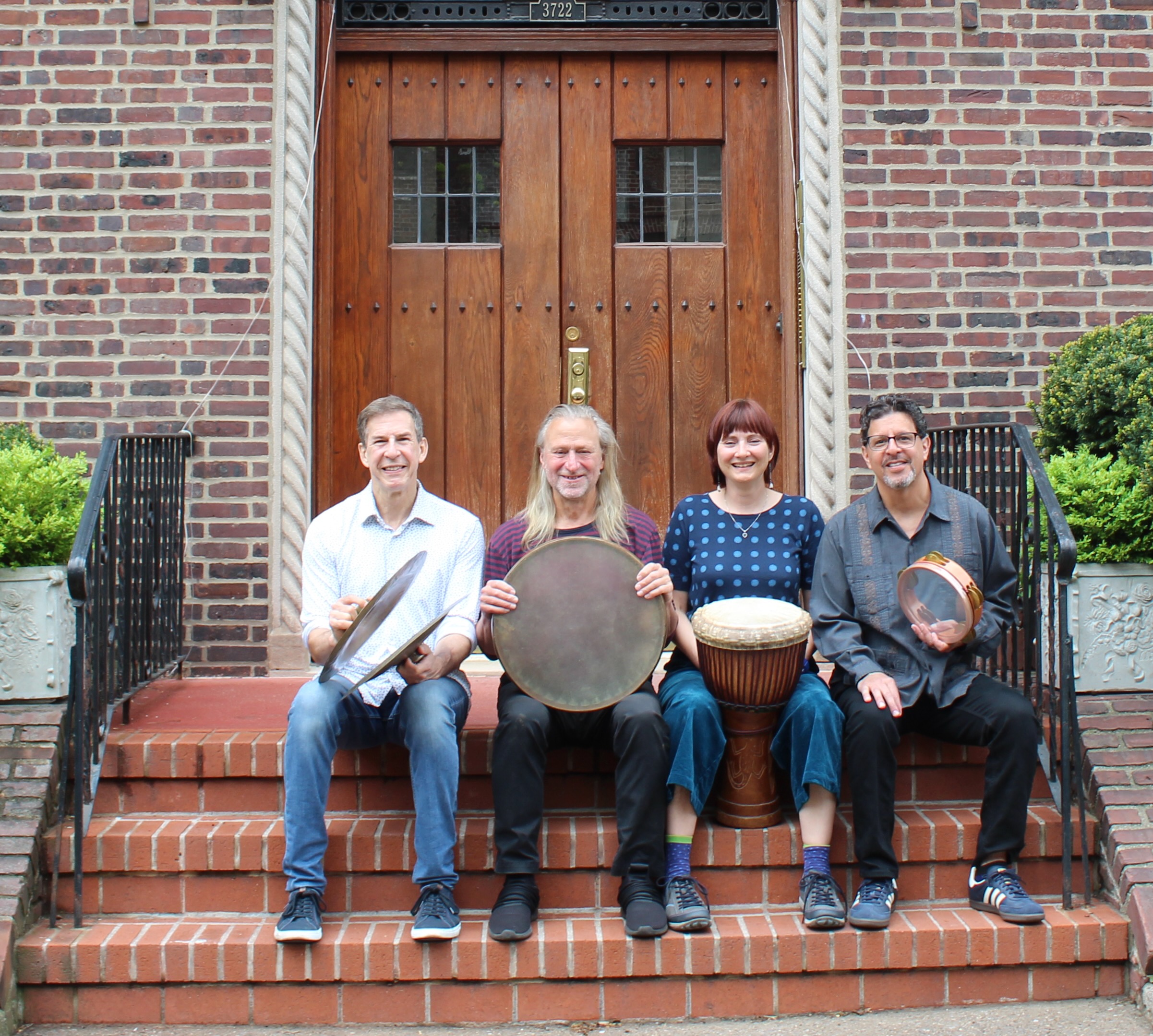
We are Lianne and Jaymee Frankel, New York State-certified teachers, sisters, and founders of Chain Reaction, an educational program centered around live music, social-emotional learning, and storytelling. Our Chain Reaction program has been performed at schools and other venues across Long Island and New York City, and teaches concepts such as creating a kindness chain reaction, the power of positive self-talk, the power of music on mental health, and mindfulness/social-emotional learning.
Christopher Agostino's StoryFaces
Card image
Please take a moment to consider my StoryFaces and Talking Art assembly programs for schools, a unique presentation of storytelling and visual arts with a variety of content for grades K - 12, family audiences and events. Christopher Agostino’s StoryFaces is a fusion of language and visual arts, an exciting storytelling show in which volunteers are face painted to illustrate the stories as I tell them, captivating the audience with traditional folktales and my uniquely animated original stories like The Amazing Face Story and The Amazing Face Story Activity, a follow-up activity in which students create an original story starring themselves — including Talking Art programs focusing on art history for upper grades — and programs for adults and family audiences. Assembly Programs are available for grade levels K - 12, with variable content for different grade levels. For middle and upper grade levels the performances also include cultural information on the use and significance of masks and makeup. Performances run 45 - 60 minutes, and work best for an audience of 250 students or less. In most shows I paint 8 to 12 volunteers during the performance, while mesmerizing the entire audience with stories ranging from traditional tales like Aesop’s Fables to legendary adventures like Punia and the King of the Sharks, The Tail of the Dragon and the samurai hero tale Raiko vs. the Goblin Spider, plus my original stories such as The Tiger that Went to the House of the Sun, When A Man First Met a Crocodile and in my Talking Arts programs, stories about art -- origins, inspirations and appropriations -- such as my mask design demonstration: Two Lizards on Four Faces, and Picasso the Thief and the birth of Modern Art.