Regions Map
X
DCA Productions
We offer several performers from our roster for BOCES Programs.
Seward House Museum
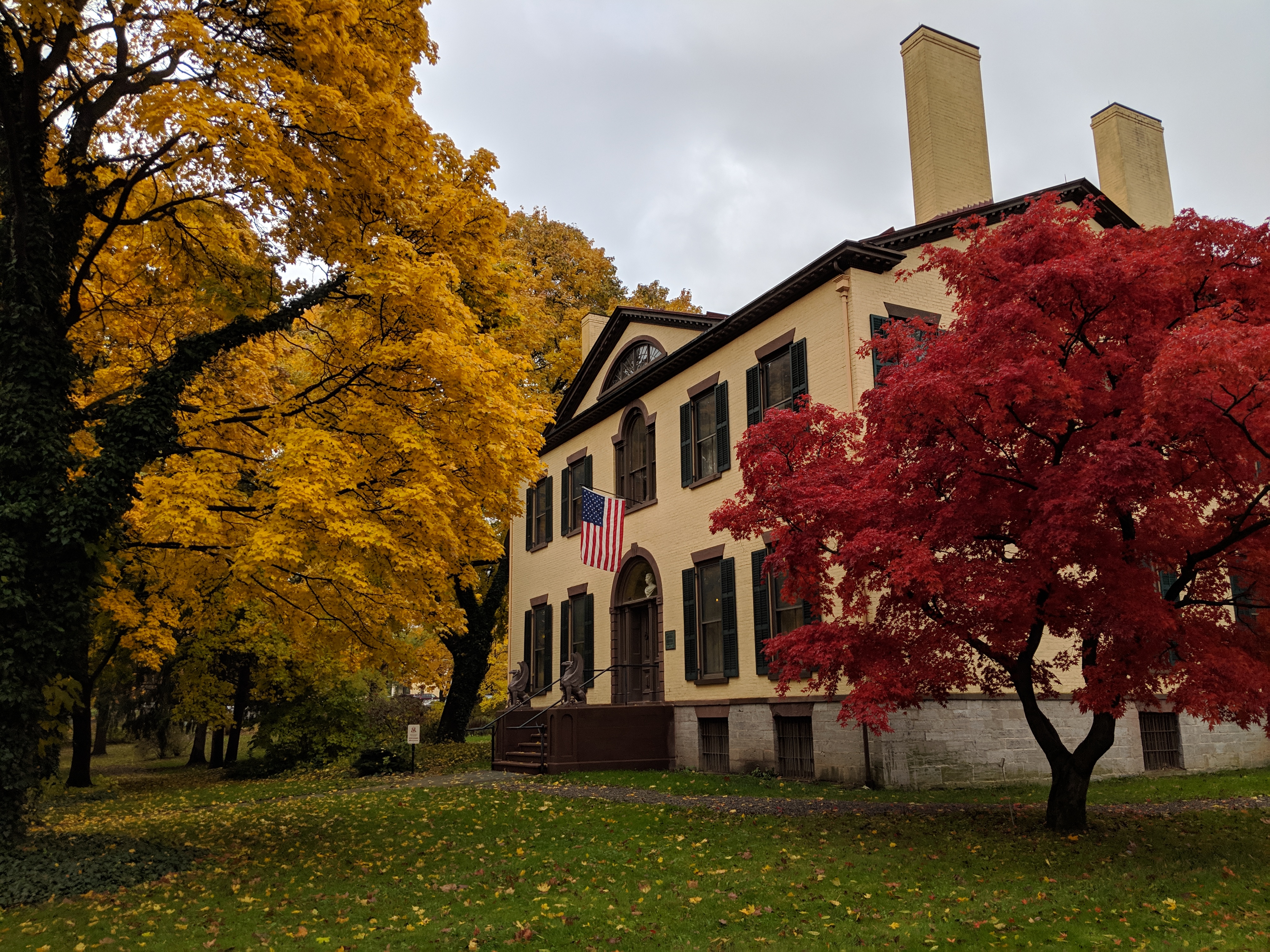
The Seward House Museum offers a variety of educational experiences for students of all ages and adult learners. We host field trips and group tours between the months of March and December in person. Virtual field trips and live streams can also be scheduled year round. Admission is $6.00 for students in a group. Teachers and bus drivers receive complimentary admission. One chaperone is offered complimentary admission per every twenty students. School tours for November-December and May-June tend to book quickly. Teachers are encouraged to make reservations for these seasons as quickly into the school year as possible.
The Seward House Museum does its best to fulfill special requests for interpretation. If you would like a particular point of emphasis—Civil War, anti-slavery, women’s rights, etc.—emphasized, please give as much notice as possible when booking your trip. Field trips may be paired with Hands-On History workshops in the Museum. Lectures and Hands-On activities can also be brought into classrooms. The Seward House also offers a variety of virtual resources for students, including lesson plans and resource kits. It also hosts an interactive website for 4th and 5th graders that revolves around the legacy of Fanny Seward.
Howie Hypnotize
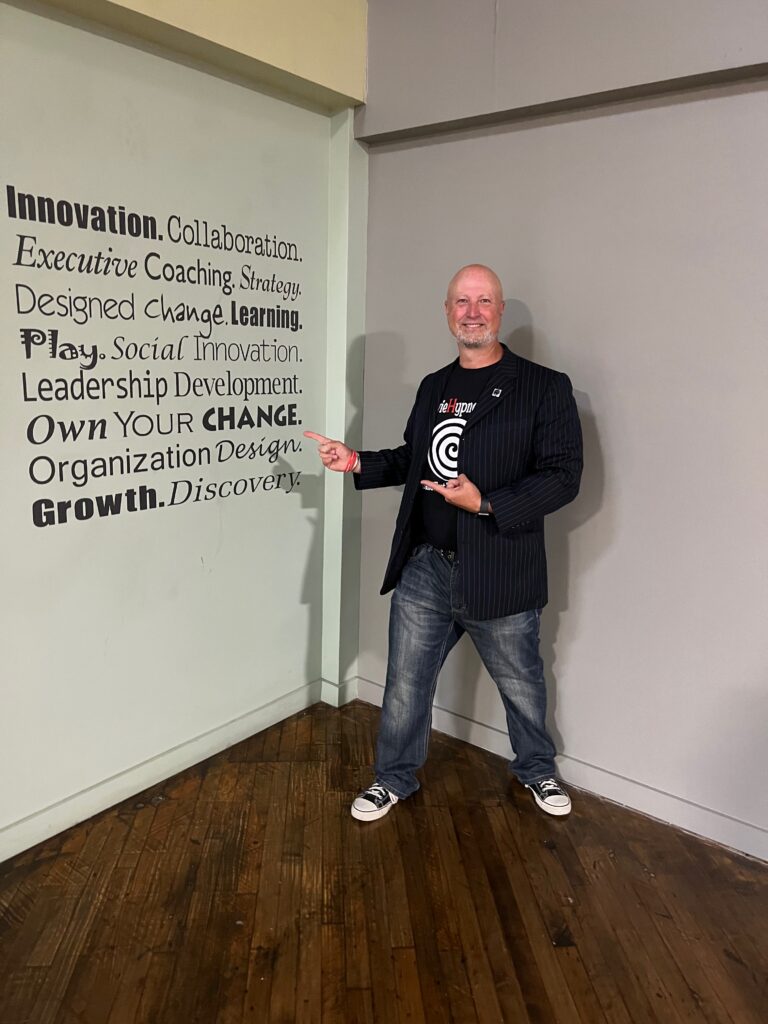
**Bring a Magical Experience to Your School with Howie Hypnotize!**Hello Schools! Get ready for an unforgettable experience! Introducing **Howie Hypnotize** a mesmerizing performance that combines comedy, magic, and the incredible power of hypnosis. Perfect for school events, assemblies, prom nights, and special occasions!
**Why Howie Hypnotize?**
-Engaging and Interactive: Howie's shows are not just performances, but interactive experiences that involve and captivate the audience. - Safe and Respectful: We prioritize safety and respect, ensuring a fun experience that's appropriate for high school audiences.
- Customizable Shows: Tailor the performance to fit your school's theme or event focus.
- Educational and Entertaining: Learn About Hypnosis. Students get a chance to learn about the science and art of hypnosis in an engaging way.
- **Boost School Spirit**: An exciting event that brings students together, fostering a sense of community and school pride. Perfect For All School Events
- Assemblies
- Prom Nights
- Graduation Parties
- Fundraisers
- Special School Celebrations
**Booking Now for the School Year!** Limited slots available! Book now to bring Howie Hypnotize to your school and create an event that students will talk about for years to come!
Daniel Villegas and his Hip Hop Band, with Alessandra and Friends

We offer a full Live latin fuzion Hip Hop/Salsa band covering originals and covers. We fuse Hip Hop and Spoken Word with Latin Music
Goat on a Boat Puppet Theater
Goat on a Boat is a nonprofit puppet theater that has been building, performing and presenting a variety of puppet shows for young children and their grown-ups since 2001.
Shows can fit into classrooms, auditoriums or can be performed outdoors from our Puppet Truck stage. Using a variety of puppetry styles, our shows are based on well-loved classics as well as original stories about friendship, the environment and more.
Puppet making workshops provide the opportunity for young students to improvise their own stories, to work together to create characters, build sets, stages and puppets. At the end of each workshop, there is short performance where students can share what they've made.
Our residencies provide the time and space to create longer, themed shows that can connect to STEM classroom learning objectives.
Goat on a Boat also offers Professional Development workshops that teach educators how to make a variety of puppet projects to use in the classroom as well as how to manipulate and how to make their puppets come to life.
We believe that Puppetry is the gateway to a life-long love of Theater and the Performing Arts. This unique art form brings Art to life and engages children's imaginations in so many valuable ways.
The Extreme Magic of Eric Wilzig
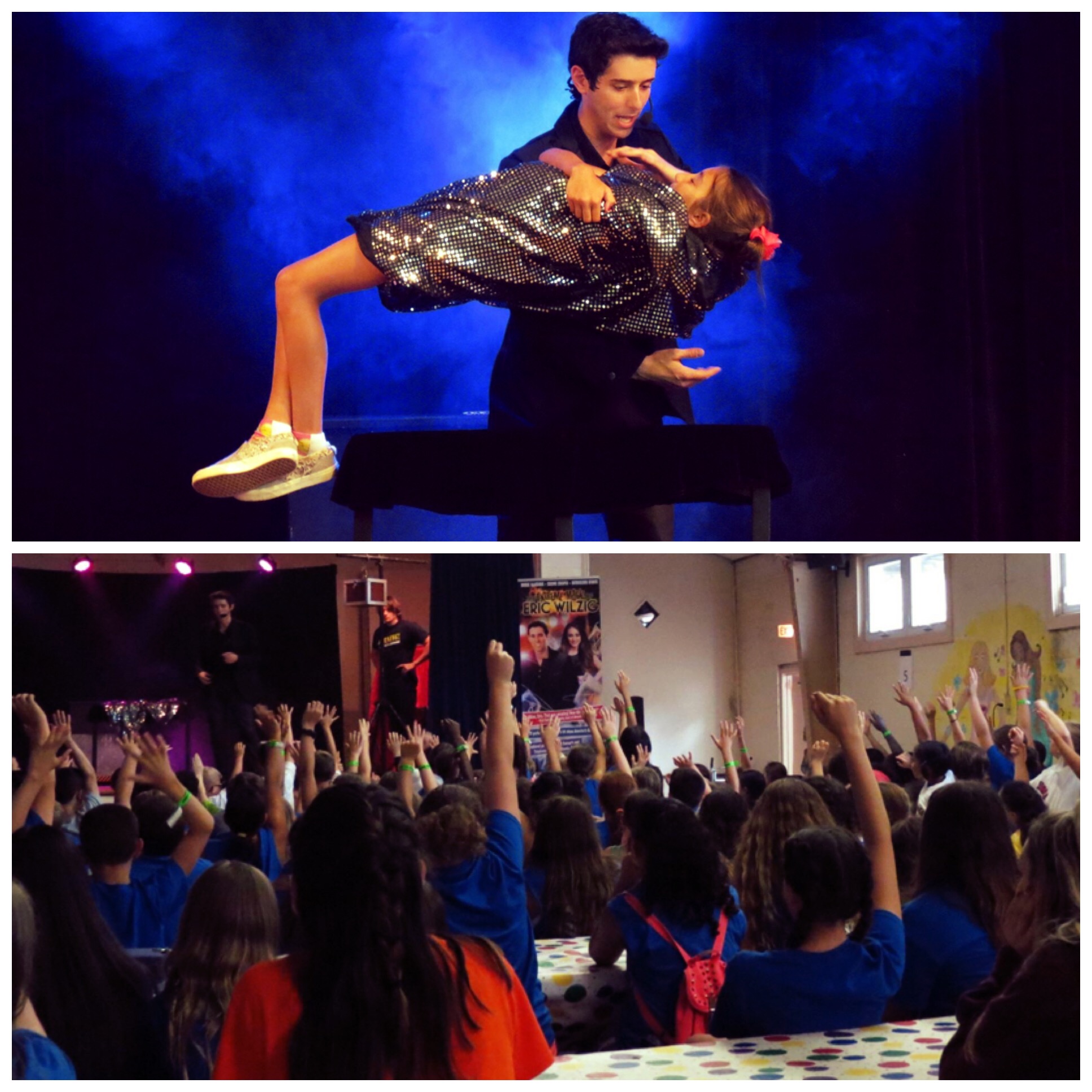
Bring a theater-style grand-illusion show to your school in this interactive magic experience! Not your typical "magic show"...
A little about the show..."The Extreme Magic of Eric" is one of the largest illusion shows in the country (but based out of New York!)! Combining cutting-edge illusions, escapes, cool music, customized lighting, and humorous audience participation, Eric and his assistant bring an illusion show experience to your school! Eric's performances have been seen on NBC's America's Got Talent, live with Jimmy Fallon, at MSG for the Knicks and Rangers, and in Europe, the Caribbean, Times Square and Las Vegas!
We make a student float in the air, make someone disappear while surrounded by students, a Houdini escape, etc. Each show would be appropriately geared to the age of the audience (elementary, middle, or high school).
The illusion show is 100% interactive (one of the only in the country!) with every routine involving student participation…volunteers from the audience assisting onstage and by their seats!
Our website www.ExtremeMagicOfEric.com has more info and videos too! You can also google search "Eric Wilzig" and reads tons of only 5 star reviews from schools across the country.
The #1 Entertainment Choice for your schools:
PTA/PTO Family Fun Night
School Day Assembly
Fundraiser Event
Holiday Program
End of Year “Field Day”
The UP Guys
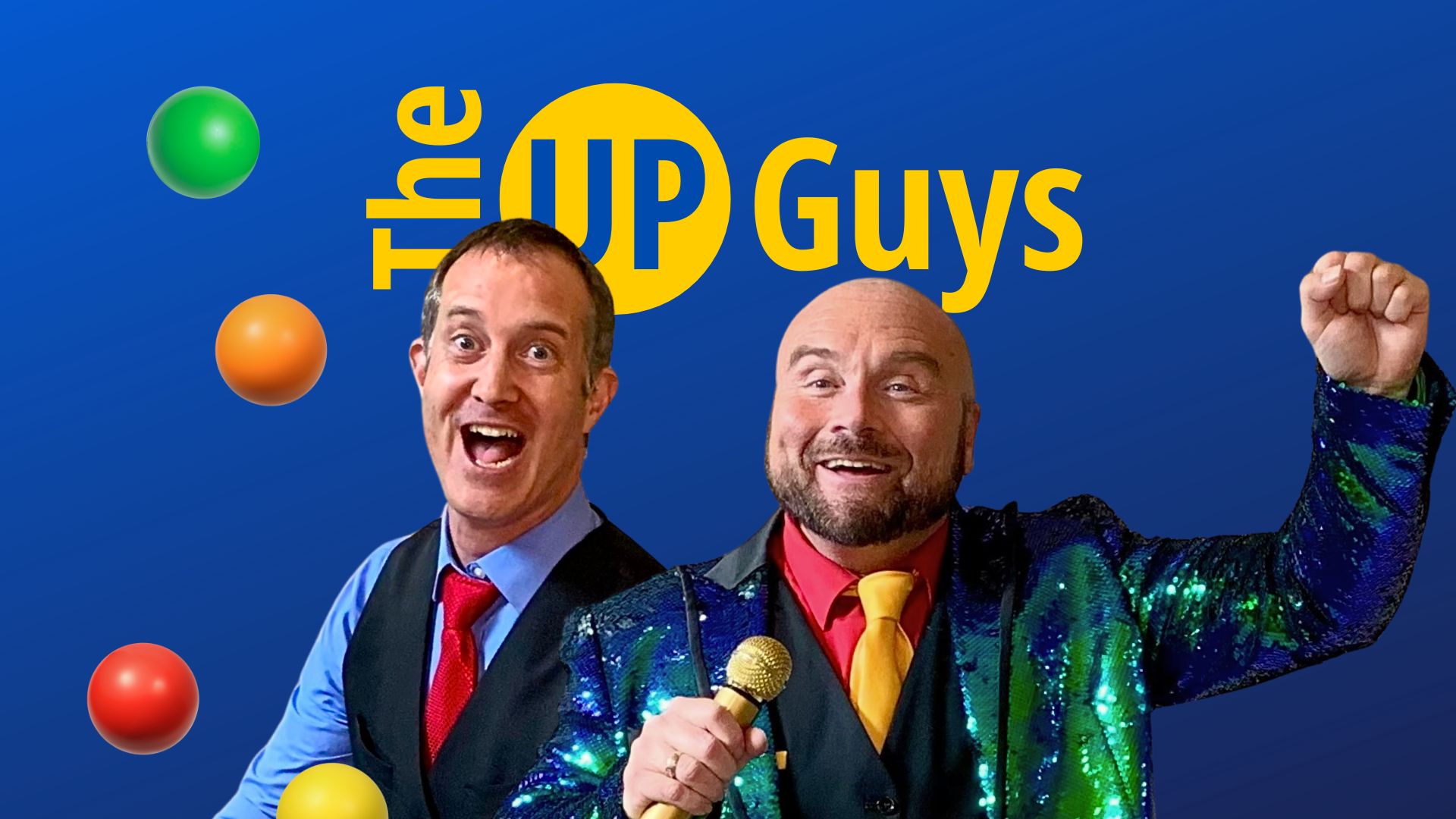
Nurture fun, character, wellness, reading, STEAM, and more with The UP Guys! Nels Ross and Richie Derwald uplift and empower through elementary, middle, and high school assemblies as well as staff development.
They have shared 2500+ solo or duo programs to rave reviews from schools, arts centers, libraries, recreation, museums, and others. Applying their diverse training in theater, variety arts, music, and education, they promote laughter and learning!
See www.theupguys.com/teaching-artists for more.
David Hagerman, The Science Wizard
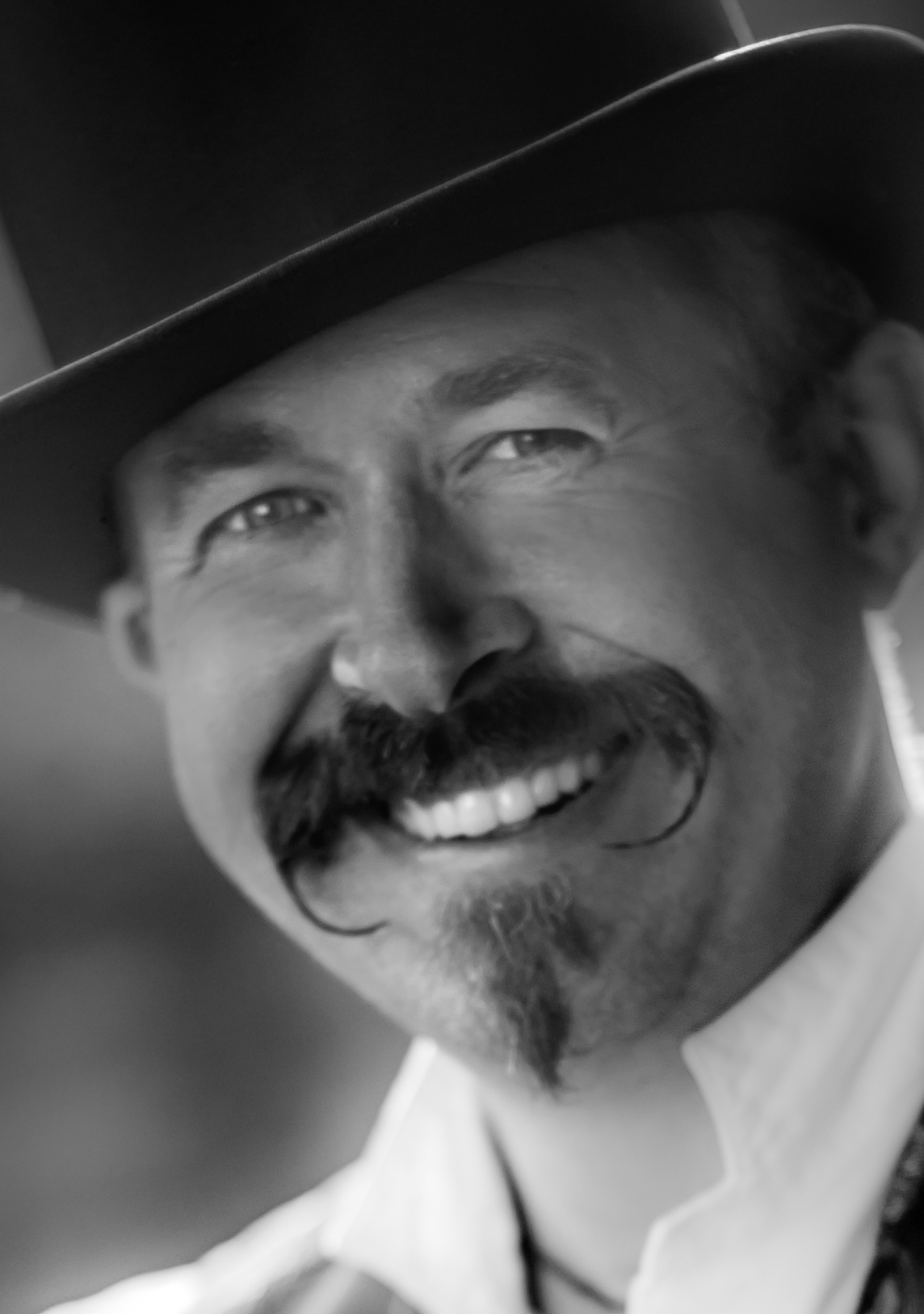
David Hagerman has been performing his math science assemblies for over 20 years. Though we are based in Branson, MO, David performs all over the country. Extreme Science 2.0 is a forty-five minute program that can be performed for grades K-12. Math-A-Magic and Sound of Science are also 45 minutes long and the same price as Extreme Science 2.0. Since Extreme Science is our most popular, I will put the description of it here. The show is catered to the age of the student audience. Most schools request multiple back-to-back shows, splitting the students into like-grades. The older students get a more advanced show with the science explained in more detail. For younger audiences, the visual nature of the show keeps their attention without talking over their heads.
This show is a large production including two performers, music and amazingly visual demonstrations:
700,000 Volt Van de Graaff generator (VDG): (one of the largest you can find), it creates 10-15 inch lightening bolts and more than enough static to raise hair
Vortex Cannons: creates flying rings of fog
Floating beach balls: thanks to the Bernoulli effect, we have flight
Video of the live in person performances:
VDG (2.5 minutes): https://www.youtube.com/watch?v=KhST0NcqmEc
Vortex Cannons (7 minutes): https://www.youtube.com/watch?v=WwXDdWSe_uE
For regular IN PERSON performances, the prices are as follows:
For one daytime performance per school site, it is $1475.
For two back-to-back daytime performances at the same school site, it is $1975 total.
For one morning and one afternoon (AM/PM) split performances at the same school site, it is $2275.00
For one evening performance per school site, it is $1575.
As a package deal; two afternoon performances and an evening family show at the same school site is $2700 ($800 savings).
If you have 2 or more schools that book, you EACH get 10% off. If 3 or more schools book, you EACH get 15% off.
David was invited to be on America's Got Talent for the 2021 season. His edited America's Got Talent performance: https://youtu.be/86FYGTmE1CU
Additional info:
Extreme Science: https://www.schoolscienceassemblies.com/extreme-science-school-assembly
Short promo video: https://www.youtube.com/watch?v=FnPrOCJnNcM
Archived testimonials date back to 1997: https://www.schoolscienceassemblies.com/references
The Boston Globe published this article on David Hagerman in their business section.
https://www.bostonglobe.com/business/2018/08/31/like-say-that-everything-percent-fake/os7VhPzfujVQrgmXpy99JK/story.html?event=event12
Performing over six hundred shows a year gives David a solid reputation that spans over 20 years of performing science assemblies nationally. We guarantee our show is one of the best you can find. If you disagree, no payment is due.
Circle Values
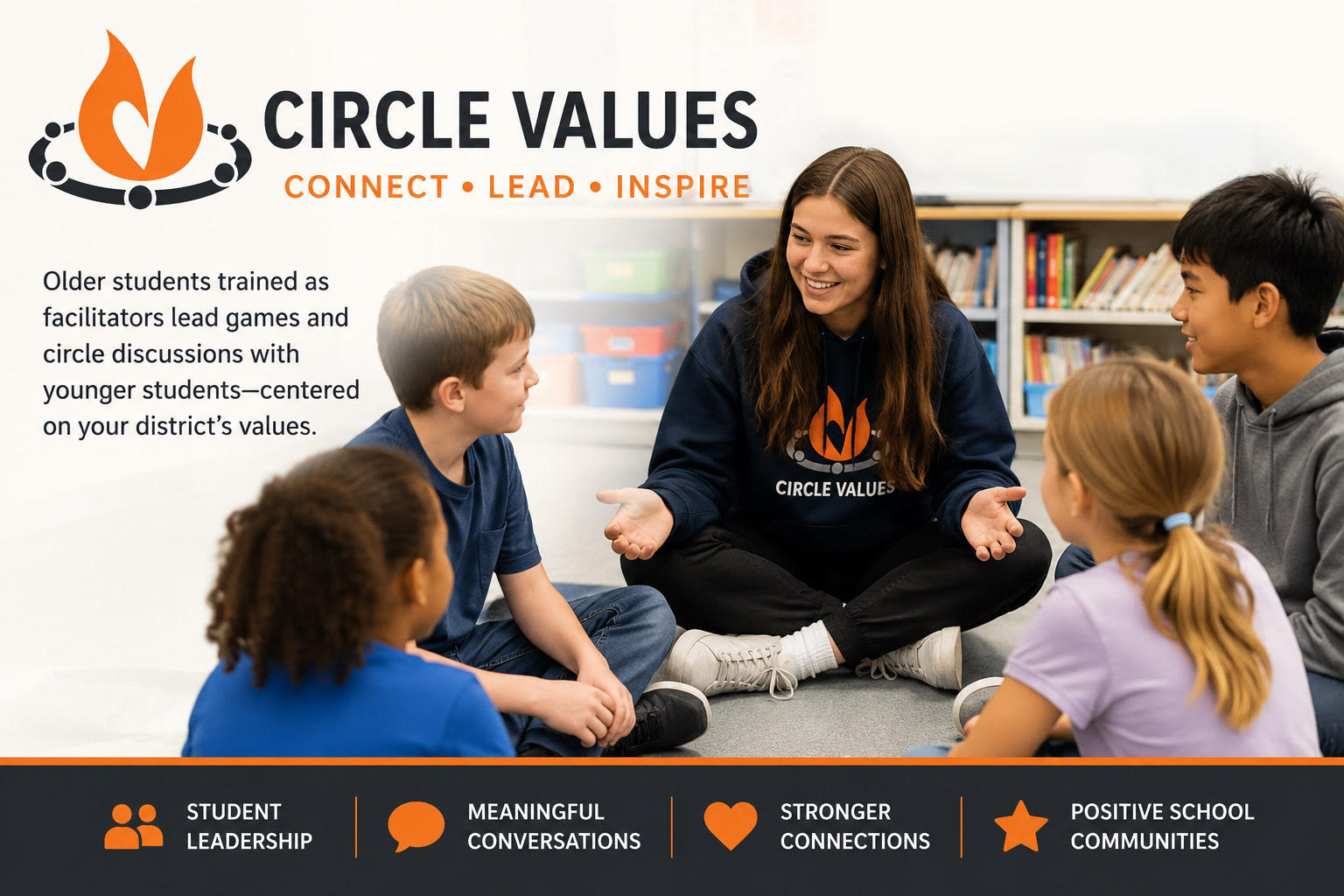
Circle Values provides interactive, student-led social-emotional learning experiences that build connection, communication, and a shared sense of community.
Older students are trained to facilitate age-appropriate games, activities, and circle discussions with younger students. Discussions are centered around values identified by the participating school district, giving students an opportunity to explore those values through conversation, play, and real-life experiences.
The program empowers older students as positive role models and leaders while helping younger students practice listening, empathy, collaboration, and respectful communication in a fun, engaging environment.
Mr. Twisty
**Mr. Twisty Arts-in-Education Assembly Programs**
For over three decades, Chad Currin has brought Mr. Twisty, his hilariously charming character, into schools, captivating young audiences with assemblies that blend laughter, magic, and meaningful lessons. As the son of a school librarian, storytelling runs deep in Mr. Twisty’s heart, and he has even penned seven children’s books. Currently, Mr. Twisty also stars in *Mr. Twisty's Storytime Adventures*, a popular YouTube show that’s a big hit with early readers! Every episode celebrates children’s stories by independent authors, packs in delightful (and groan-worthy!) dad jokes, and showcases balloon artistry. Mr. Twisty’s arts-in-education programs keep kids engaged and enrich the curriculum, making learning memorable and exciting. Each assembly offers valuable educational experiences with an infusion of creativity and joy, fostering a love of reading, a sense of empowerment, and an appreciation for our planet’s tiny helpers.
---
**Assembly Programs and Classroom Visits:**
### 1. **Books & Beyond: The Magical Power of Stories**
**For Grades K-5**
Dive into the adventure of reading with Mr. Twisty as he shares his story of growing up in a library and the love of stories he learned from his librarian mom! This lively program encourages students to explore the magical world inside books, emphasizing the importance of reading in daily life and supporting themes aligned with the Parents as Reading Partners (PARP) program. With humor, magic, and interactive elements, Mr. Twisty makes reading cool and fun, motivating students to open a book and discover the worlds waiting inside.
- **Themes Covered:** Storytelling, reading motivation, imagination, book discovery
- **Takeaways:** Kids learn that books are gateways to endless adventures and knowledge, igniting excitement for independent reading.
- **Optional Classroom Visits:** Mr. Twisty can visit individual classrooms to work with smaller groups, sharing tips on creating their own “story magic.”
---
### 2. **The MAGIC of YOU! - Building Self-Esteem through Magic**
**For Grades 3 and Up**
In *The MAGIC of YOU!* assembly, Mr. Twisty uses magic as a metaphor for personal empowerment, helping students believe in their ability to make amazing things happen. This program is designed to boost self-confidence and encourage students to take pride in their unique qualities. Mr. Twisty shares inspirational stories and showcases illusions that remind students that they, too, have “hidden powers” within. After the assembly, students who attend the optional classroom sessions will learn a simple magic trick to take home, letting them experience the thrill of mastering something new and surprising their friends and family.
- **Themes Covered:** Self-esteem, self-discovery, resilience, confidence-building
- **Takeaways:** Students leave feeling empowered to face challenges and create “magic” in their own lives.
- **Optional Classroom Visits:** Mr. Twisty can teach students a beginner-friendly magic trick to keep the theme of empowerment going.
---
### 3. **Wiggle, Dig & Compost! - Magical Worms & the World of Soil Health**
**For Grades K-5**
*Wiggle, Dig & Compost!* is a hands-on program where Mr. Twisty introduces his pet worms and teaches students all about the incredible role worms play in recycling and composting. This isn’t a typical assembly; it’s a special classroom experience where each class gets an up-close encounter with Mr. Twisty’s wriggling worm friends and a reading of his story *Little Lily and Eddie the Earthworm!* Kids will learn about worms, composting, soil health, and sustainability in a way that’s unforgettable—and they get to meet and greet Mr. Twisty’s worms for a fun, tactile experience. This program is ideal for teaching young students about the environment, helping them develop respect for our planet and its tiniest eco-heroes.
- **Themes Covered:** Environmental science, composting, recycling, worm care
- **Takeaways:** Students learn that even the smallest creatures play a big role in keeping our earth healthy and clean.
- **Classroom Visit Experience:** A close-up meet-and-greet with real, live worms—a unique and memorable way to connect with nature’s recyclers.
---
**What Teachers & Librarians Love About Mr. Twisty’s Programs:**
- **Curriculum-Connected Learning:** Each program ties into key educational themes, providing a fun way to reinforce classroom topics.
- **Interactive Elements:** Assemblies are highly engaging, often with student volunteers, humor, and age-appropriate magic tricks to make learning fun.
- **Encouragement for Young Readers:** Mr. Twisty’s passion for storytelling inspires students to read more and discover the magic in books.
- **Empowerment Focus:** Programs like *The MAGIC of YOU!* are designed to build self-esteem and encourage personal growth.
- **Environmental Education:** Mr. Twisty’s hands-on approach in *Wiggle, Dig & Compost!* offers a unique environmental science lesson.
Each program is adaptable to meet the needs of your school and audience, and Mr. Twisty is happy to work with educators to create a memorable and impactful experience for students.
Let Mr. Twisty’s magic bring laughter, learning, and lasting lessons to your school!
Compassionate Leaders Circle
The Compassionate Leaders Circle (CLC) proudly offers Student Leadership Labs for K-12 students, fostering creativity, self-discovery, and meaningful connections at every stage of their educational journey.
Book Lab for Elementary Schools empowers young learners to write and illustrate their own stories, which are professionally published on Amazon. This exciting experience allows students to showcase their work to friends, family, and local libraries, building confidence and pride in their achievements.
Dream Lab for Middle Schools guides students to uncover their core values and collaborate in learning pods. These sessions strengthen their connection with themselves and their peers while setting actionable goals for a purposeful and rewarding transition into high school.
Purpose Lab for High School and University students helps participants realign with their personal values and aspirations. Using proven methodologies, this program equips students with actionable steps to pursue a fulfilling life and realize their full potential.
CLC has aligned its programs with NYSED’s initiatives, including the “Portrait of a Graduate,” to support students in achieving a successful path to graduation.
Each lab is thoughtfully designed to inspire and empower students, creating lasting impacts both within and beyond the classroom.
Chain Reaction - The Frankel Sisters
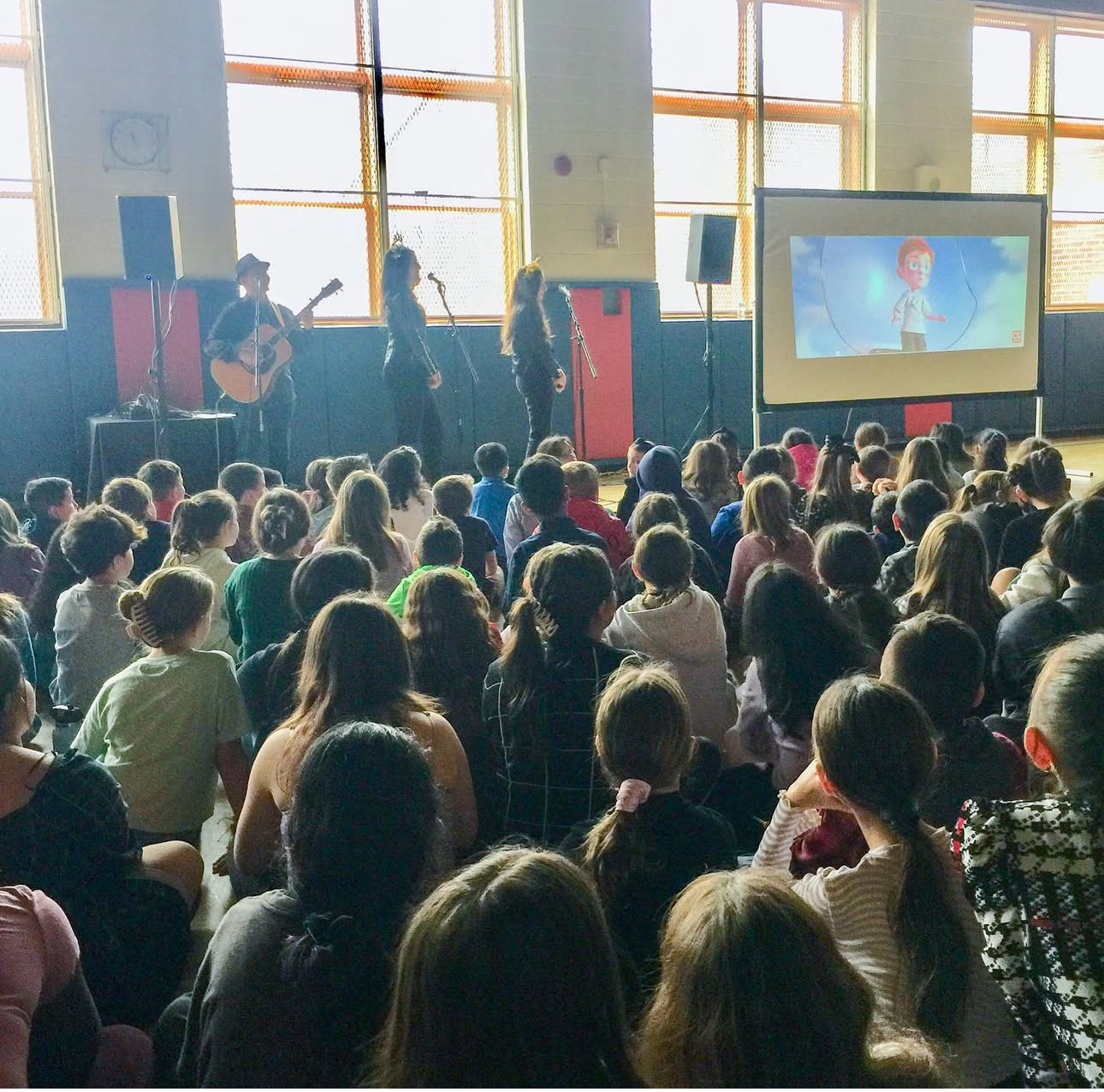
We are Lianne and Jaymee Frankel, New York State-certified teachers, sisters, and founders of Chain Reaction, an educational program centered around live music, social-emotional learning, and storytelling. Our Chain Reaction program has been performed at schools and other venues across Long Island and New York City, and teaches concepts such as creating a kindness chain reaction, the power of positive self-talk, the power of music on mental health, and mindfulness/social-emotional learning.