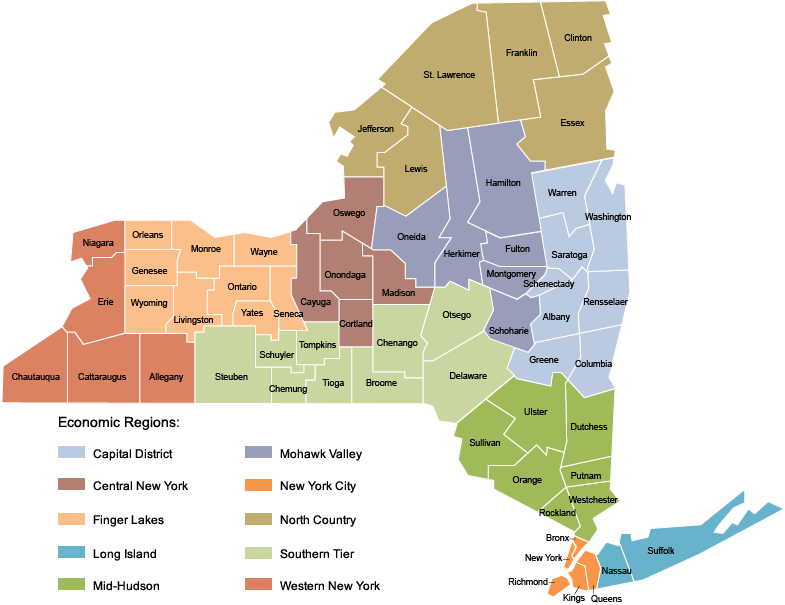
Regions Map
X
Stitch Buffalo
Stitch Buffalo is excited to share our love of textile arts and provide instruction to learners of all ages and skill levels. When you book a class, a Stitch Buffalo instructor will come to your location and provide comprehensive instruction to your group. All supplies for the project are included.
Participants will learn fundamental techniques while developing design and collaborative skills in a relaxed environment that encourages exploration and personal expression.
Our rextile art projects/skills reflect traditional techniques used in many cultures from around the world.
These include:
1. Hand Embroidery
2. Block Printing
3. Pom-Pom Making
4. Jump Rope Making
5. Stencil and Appliqué
6. Macrame
7. Weaving
For each of the seven core disciplines, we offer three related projects that correspond to different ages and ability levels: beginner (elementary school); intermediate (middle school); and advanced (high school through adult). We also provide information on the
cultural context of each project, including how people from various cultures are practicing these traditional techniques today—right here in New York.
Shea's Performing Arts Center
The Arts Engagement and Education Department serves as a vital bridge between artistic expression and community involvement. Rooted in the belief that art is transformative and essential for personal and societal growth, the department is dedicated to fostering creativity, nurturing talent, and promoting cultural understanding through various educational and engagement initiatives. Our mission is to enrich lives and strengthen communities through the power of the arts. By providing accessible and inclusive arts education, innovative programs, and meaningful community engagements, we aim to inspire creativity, cultivate diverse talents, and foster a deep appreciation for the arts.
We offer many programs such as Junior Theatre Celebration, On School Time performances, a high school musical theatre awards program, residencies, 4 theatre camps, and more.
Gifford Family Theatre
the gifford family theatre (GFT) at le moyne college has been presenting theatre for young audiences each may/june for over 20 years. GFT provides an opportunity for young people to experience the joy of live theatre in a professional yet intimate (under 200 seats) setting on le moyne's campus. one of the most memorable moments in a child's life is the first time they experience the excitement of live theatre. GFt combines that excitement and fun with character education, using live performances to bring lessons of character to life. our plays are generally adaptations of well known children's books, making it easy to tie the performances to your Ela/literacy curriculum.
Daniel J Mahoney
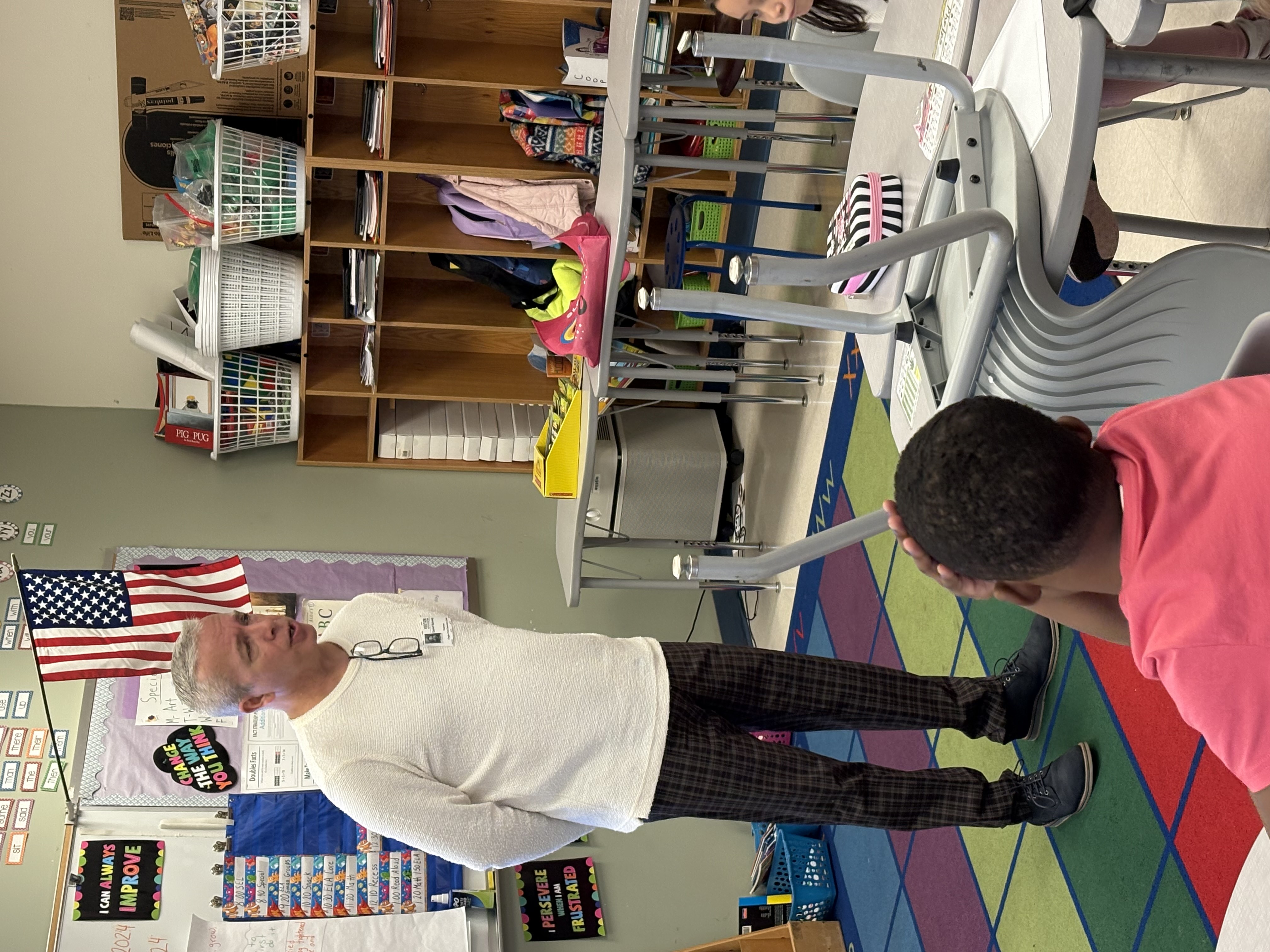
I am a children’s book author and illustrator who loves to visit and interact with my readers! I talk about the book making process with a slides presentation of the making of my latest picture book, and hold a story brainstorming session where the students are the authors and I am the illustrator and we create a story together. You can read more about my school/library visits on my website. There’s also testimonials from teachers I’ve worked with!
Wendy and DB
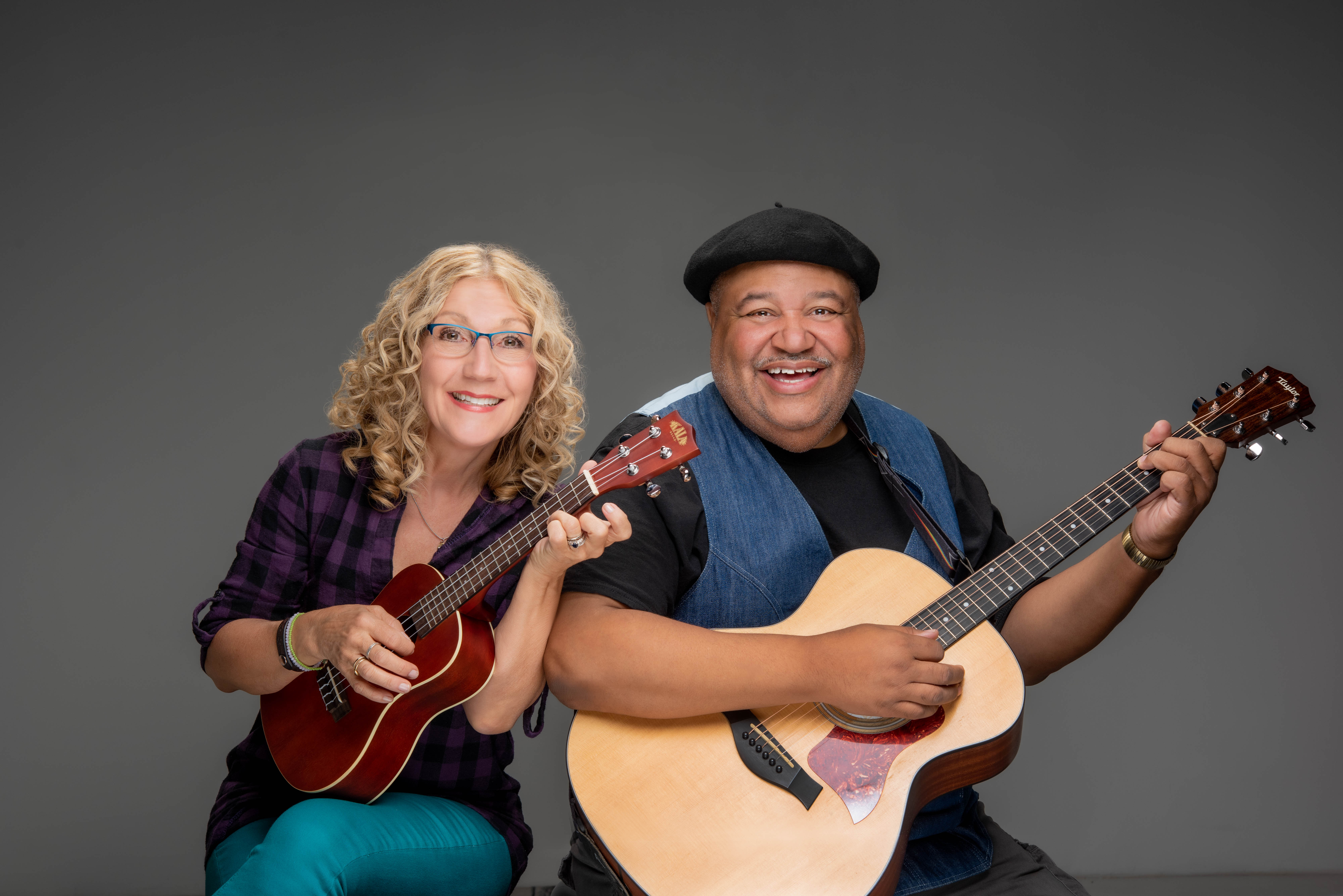
Wendy and DB Duo and Band - Get your Sunny Side UP with Grammy nominated and award-winning kindie duo from Chicago, with two vocals, guitar and a ukulele, Wendy and DB blend their powerful voices, write and perform songs about science, nature, diversity, animals, safety, and the arts. Their unique style is reflected in the music and catchy lyrics along with their vocal harmonies. They examine the world with curiosity and what you experience is just plain fun! Wendy and DB Pioneers of Blues for kids and families concerts are high energy and get everyone moving, singing, and dancing.
Grammy Nominated in 2023 in the Best Children’s category for their album “Into the Little Blue House” a blues album for children and families.
“Get your Sunny Side Side UP” is the bands 8th album filled with positive pop songs that will light up the whole neighbor with sunshine.
Day in Clay
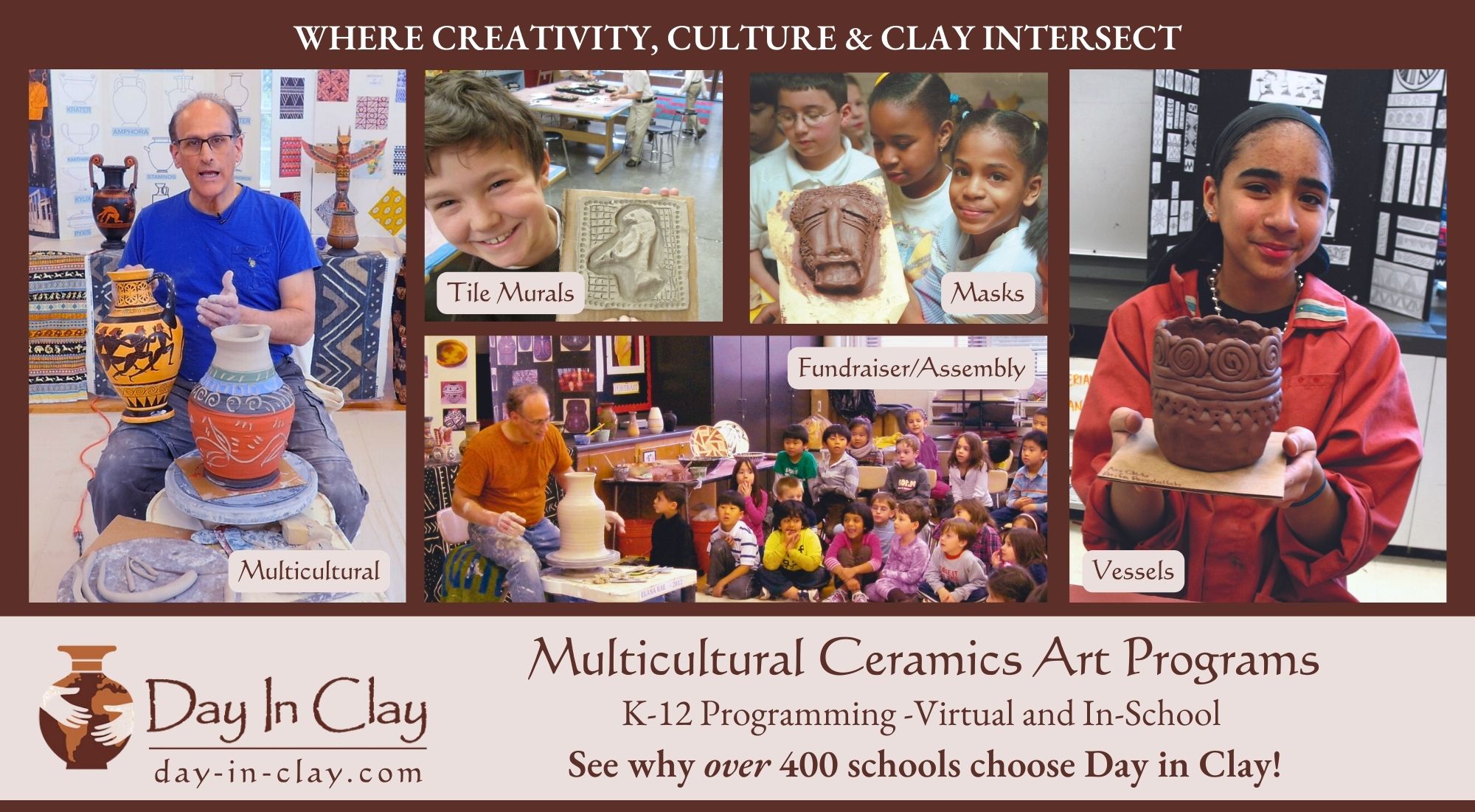
Day in Clay is a diverse, multicultural ceramic art program for K–12, including professional development and disabilities. The programs are conducted virtually and in school.
Overview
Headquartered in Tomkins Cove, NY, Day in Clay was founded by Cliff Mendelson in 1988.
Day in Clay provides a multicultural ceramic artist in residence programs for K–12 in over 400 schools and districts. It offers both virtual and on-site assemblies and classroom interactive programs with diverse culturally inspired hands-on/demonstrations in clay. Students get a real taste of the creative process and how design, form, and function relate across disciplines and cultures. Students create and explore African, Asian, Latin/ Native American, and Greek cultures through programs like vessel making, tile making, mask making and multicultural potter's wheel, all custom-tailored for their curriculum. Students work directly with clay, learning advanced techniques and understanding how each culture tells their unique story through 3D art, and discover the relationship between art and society.
In the class, students become involved in working with clay while learning advanced techniques and the science behind glazing, painting, and firing. They explore the relationship between art, science, and society. Students also use historical techniques to create, decorate, and design vessels using culturally specific patterns, symbols, and imagery. Day in Clay invites an artist to demonstrate various aspects of different programs, how they connect to the history of ceramics, and show the interrelation of ceramics in cultures worldwide.
Staff development provides arts faculty with the techniques, cultural history, and hands-on problem-solving, ready-to-go lesson plans to bring clay into the classroom. Staff learn to use cultural connections as a way to connect students to their own work. The training mirrors Mendelson's college-level teaching, where engagement and sharing expertise are paramount. Lessons are tied into Native American, Asian, African, Latin American, and Greek cultures. Mendelson provides advanced hand-building techniques and the science behind glazing, painting, and firing. Staff development is custom-tailored to meet the needs of a school’s faculty. The best way to problem-solve with students is a hands-on approach and learning the limits of the materials to advance their success. A lively Q&A is always encouraged!
Mystery of the Character Surprise
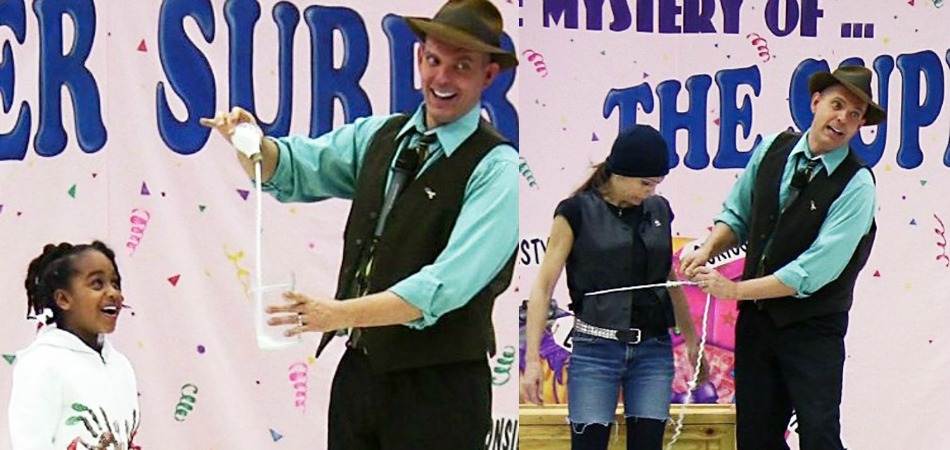
Social and emotional learning (SEL) is an essential part of The Mystery of the Character Surprise show. In this 50 minute interactive assembly show students learn the communication skills and attitudes they need to help create a bully-free learning environment. Fifteen students participate on stage, putting these lessons into action – cooperating to stop a bully from ruining the assembly show. Students will also learn how to stop social aggression in its tracks. And they’ll have a blast while doing it!
Topics covered throughout this bully-proofing magic assembly show include Being responsible in achieving goals, helping others, and empathy. Plus: Forms of bullying, solutions for victims, responsibilities of witnesses, tattling vs. telling. Includes: Courage | Flexibility | Perseverance | Effort | Making Good Choices | Bullies, Targets & Bystanders | Sense of Humor | Responsibility | Empathy | Honesty | Teamwork | Tattling vs. Telling
Dialed Action Sports - GET OUT + PLAY TOUR

GET OUT + PLAY TOUR
BMX School Assembly programs by Dialed Action Sports
In a world dominated by screens and gadgets, we believe in the power of the great outdoors, exercise, and the sheer exhilaration that comes from pedaling your way to freedom. Dialed Action’s Get Out + Play Programs are on a mission to encourage youth across the nation to put down their phones and screens, get outdoors, and discover the excitement of play. 15 years in business and over 10,000 thrilling shows to date!
Hosting a show is easy!
We provide everything needed to put on a great event. This includes: all setup and tear-down, all PA and mic equipment, power source, floor protection for indoor shows, flexible rain-date options, and full insurance coverage. Multiple show formats also ensure we have the right program for your venue layout and budget.
Available program topics:
We can customize our messaging to align with the unique needs of your school or program goals. Available topics include: ANTI-BULLYING, DRUG AWARENESS, RESPONSIBLE CHOICES, or BIKE SAFETY.
Need help with funding?
Many 501c3 organizations are able to receive funding for our programs. Contact us today and ask about our grant application toolkit.
Contact us today to reserve your spot on this year's GET OUT + PLAY TOUR.
John Petrelli

John Petrelli is a motivational speaker, coach, and the author of Confessions of a Hollywood Trainer, an Amazon #1 new release. With over 30 years of experience, John has transformed the lives of Grammy Award- winning artists, Hollywood celebrities, and individuals from all walks of life.
But John’s path to success was far from easy. In high school, John was cut from every sports team and barely graduated. Struggling with identity, self-worth, and unresolved anger, he lacked the communication skills and support system needed to thrive. A life-changing arrest just before college marked a personal low point—one that ultimately sparked his transformation. Rather than give in, John chose to rise. For the first time, he began to embrace his failures and coined his personal philosophy: “Perfecting the Art of Failure.”
In 2021, John faced another defining moment: a sudden diagnosis of Guillain-Barré Syndrome (GBS)—a rare autoimmune disease that left him temporarily paralyzed and in the ICU. As someone whose career was rooted in physical strength, John leaned entirely on mental resilience to fight his way back. Today, John is one of the most in-demand fitness professionals and motivational speakers, known for his raw authenticity and life-tested message: Failure isn’t the end—it’s the beginning of transformation.
Perfecting the Art of Failure
Hi, I’m John Petrelli and I teach people how to do the “Perfect the Art of Failure” in their lives and careers. I teach and inspire audiences to understand that failure isn’t an identity but merely the stepping stones to future success, because I believe when we reframe the way we approach life’s challenges we unlock our fullest potential. John shares how altering your approach to challenges can open doors to new possibilities and propel you towards success. Discover the three core principles – Changing our Perception, Structured dissection, and Unwavering drive – that help elite performers leverage the true abilities to achieve greater success in all areas of life.
In this program, you’ll learn…
1. To Understand the Power of Perception: Explore how our perceptions shape your actions and ultimately determine your outcomes. 2. To Master the Art of Dissection: Learn how effectively dissecting your progress is crucial for identifying stepping stones towards success.
3. To Embrace Failure as a Stepping Stone: Discover the “Perfecting the Art of Failure” framework – three simple steps for turning challenges into valuable learning experiences. 4. To Unlock Your Full Potential with Drive: Learn strategies to overcome limitations and unleash your full potential for personal and professional growth.
Program 2:Unlocking your personal Wellness Code
As a professional fitness coach, working with some of the biggest names in the entertainment industry— unlocking your personal wellness code is a crucial key to success. By applying his own Personal Wellness Code, John defied the odds and rebuilt his health from being paralyzed, proving that true wellness goes beyond just the body—it starts with the mind. John reveals how Understanding in detail what your personal Wellness needs are can unlock new opportunities, a new level of energy and confidence. Learn the three core Wellness Code Principles— Awareness, Identify, and Implementation — used by thousands of John’s clients to help maximize their health, wellness and potential.
In this program, you’ll learn…
1. Empowerment & Personalization Encourages individuals to take ownership of their health rather than following a one size fits all approach. Encourages experimentation and awareness by teaching them a DATA DRIVEN approach to their health rather than blindly following trends or generalized health advice. Empowers you to discover what truly works for their body in terms of energy, sleep, exercise, and overall health.
2. Preventing Missed Potential Learn how to recognize your body’s signals before they turn into burnout or health issues. Uncover the daily habits that quietly drain your energy and how to replace them with supportive habits. Understand how stress impacts your performance and what you can do to shift that.
3. Emotional & Motivational The audience leaves understanding that they likely have untapped potential and gives them the motivational keys to Unlock their OWN “Wellness Code.”
Dave Ruch
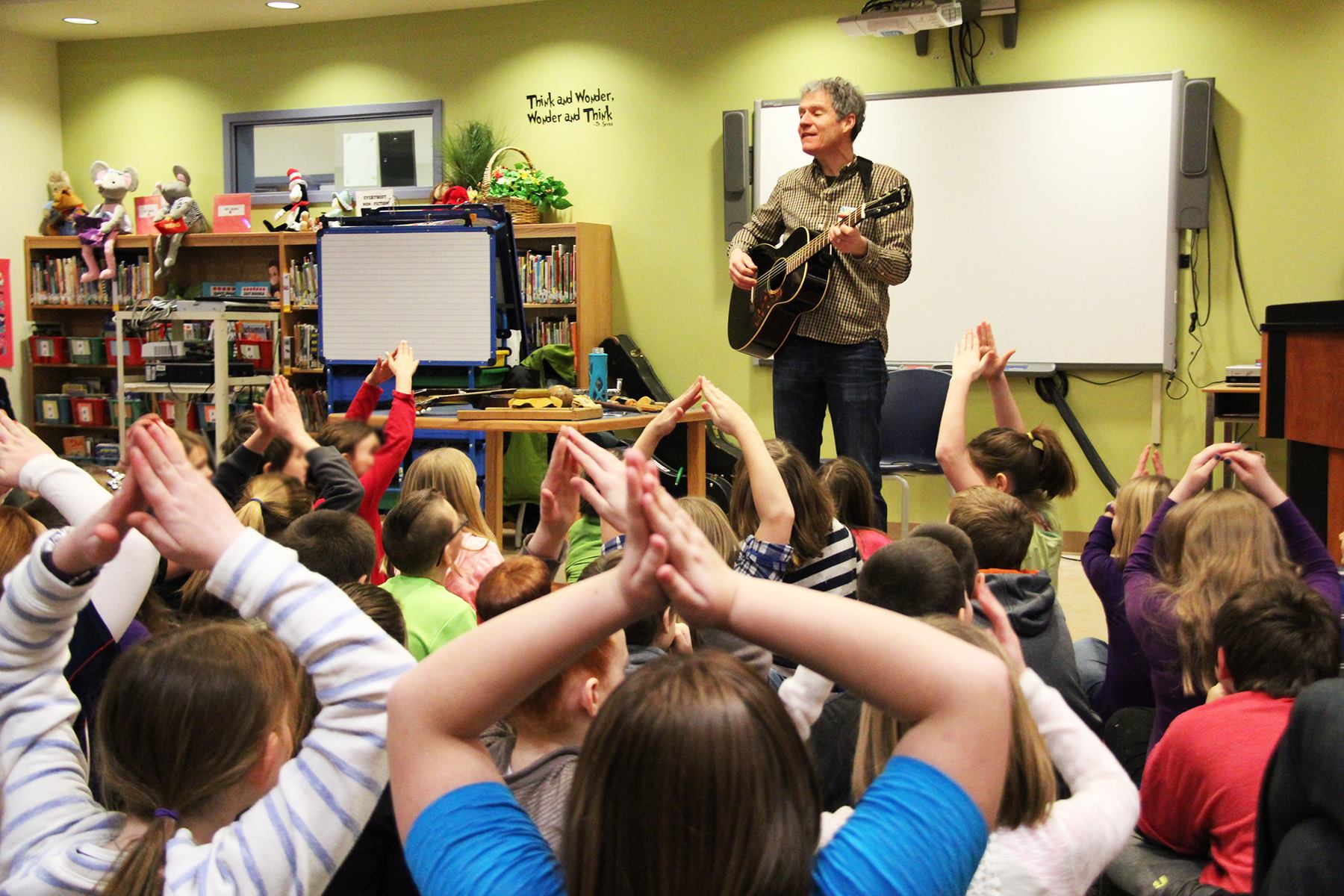
Social studies and non-fiction ELA topics brought to life through music. Themes include Colonial America, Native Americans of NY State, Westward Expansion and the Gold Rush, World Cultures and Communities, The Erie Canal, Immigration to America and more.
Programs are presented in-person as well as virtually.
Playful Engineers
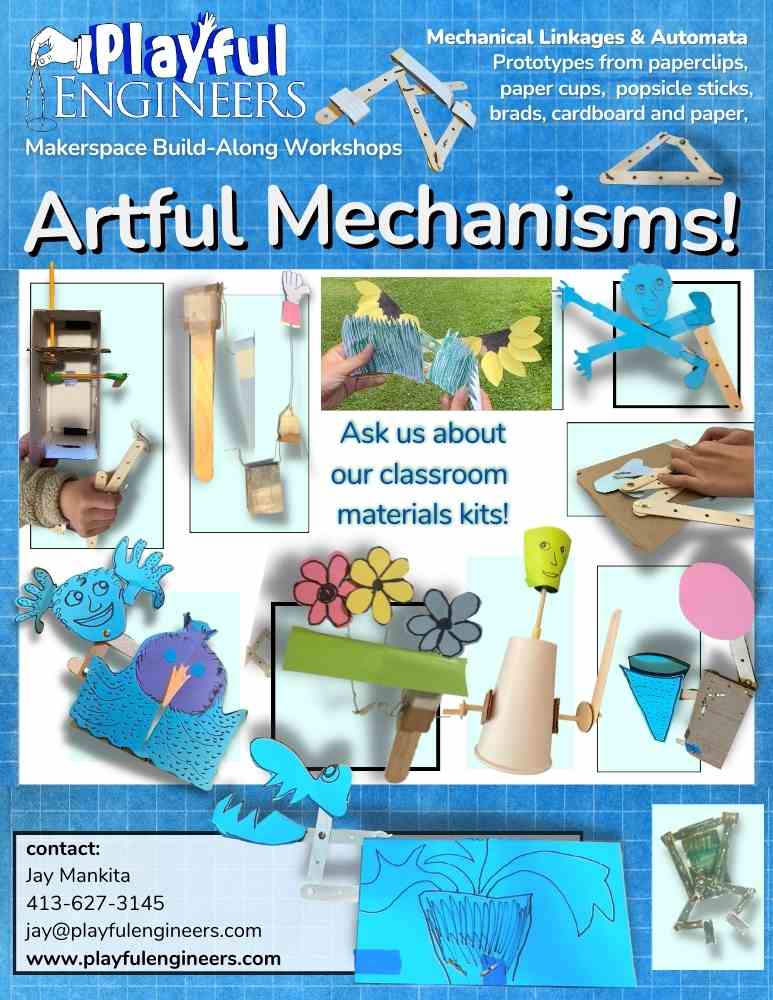
Playful Engineers Traveling Maker Space STEAM-Powered assemblies, hands-on workshops, whole-school events, and family nights featuring Rube Goldberg Machines, and other chain reactions, plus Artful Mechanisms - student-built toys made using principals of mechanical linkages and crankshafts. Kids learn real-world maker skills with our latchkey programs. We bring our traveling Maker Space including all materials, and we love working with all ages. Our play-based programs help kids learn while having loads of fun! In-person, and virtual programs are available from single programs to 2 week residencies!
Margot Tohn

Margot and Murray -- her fluffy, loveable and kid-friendly Sheepadoodle, love to visit with children aged 3 – 7 years and talk about friendship, bravery, and perseverance. Margot’s energy is infectious and she easily bonds with children. And Murray is a hit with kids.
In Margot’s debut children’s book, Murray Goes to the Playground, Murray learns an important lesson: while not everyone may want to be your friend, there’s always someone out there who will be your friend.
Our 30- 45 minute school visits include an opportunity to meet and pet Murray, reading our book, Q & A, and a discussion about making friends, meeting dogs, or moving on from rejection.
Murray has his Canine Good Citizen accreditation.