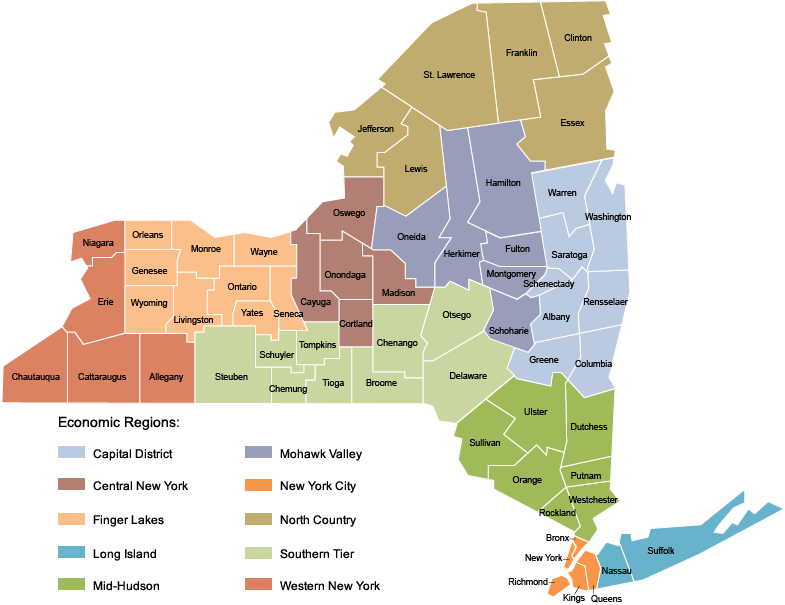
Regions Map
X
School Assembly Magic!
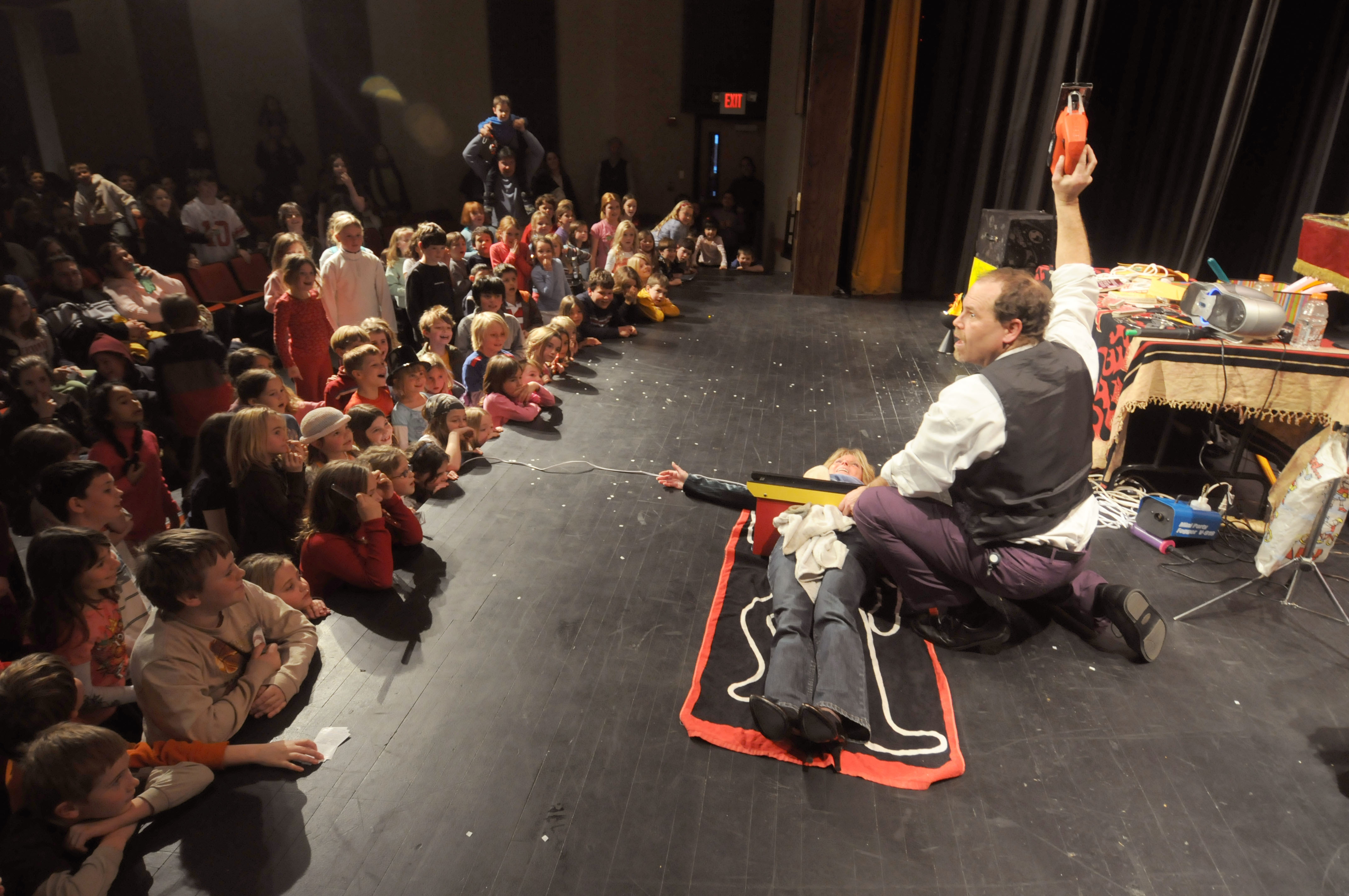
Imagine effortlessly inspiring students to read more and respect others! Students LOVE magic, humor, audience participation & special effects, therefore completely absorb the strong educational messages in assembly programs: "Discover the Magic of Reading!" and “Take P.R.I.D.E. – Unforgettable Character Education & Anti Bullying Program!”
For a Teacher Workshop, “Accelerated Learning in the Classroom!” is both entertaining and highly beneficial for teachers.
For a wonderful Family show, “Magic Beyond Imagination!” is a BIG hit!...
I know you have many choices. Not many competitively priced shows are as engaging AND educational as these. I bring you my 25 years experience of performing hundreds of school programs and countless others for public & private organizations. School also benefit from my education at Villanova University and Mystery School, the top magicians’ theatrical school.
Visit www.SchoolAssemblyMagic.com for more info, show reviews and video samples. Call or email Robert@SchoolAssemblyMagic.com to discuss customized details ideal for your school - ask for FREE study guides!
Marcus Mohalland

The “Silly Nomads” book series is a five-volume collection of children’s literature that target children ages 7- 12. I drew heavily on my own vibrant childhood experiences while growing up on the island of Jamaica. These stories, immersed young readers in a world of imaginative adventures and cultural discovery. Each book within the series encourages creativity and exploration, fostering a love of reading while subtly reinforcing essential life lessons and positive character traits. Beyond the books themselves, I actively engage with students through interactive school readings, aiming to ignite a lifelong passion for literature.
The “Silly Nomads” offers a unique opportunity to introduce students to a different culture, enriching their understanding of the world and fostering empathy and appreciation for diverse perspectives. I look forward to sharing my childhood adventures with you and your students.
Sandra K. Athans
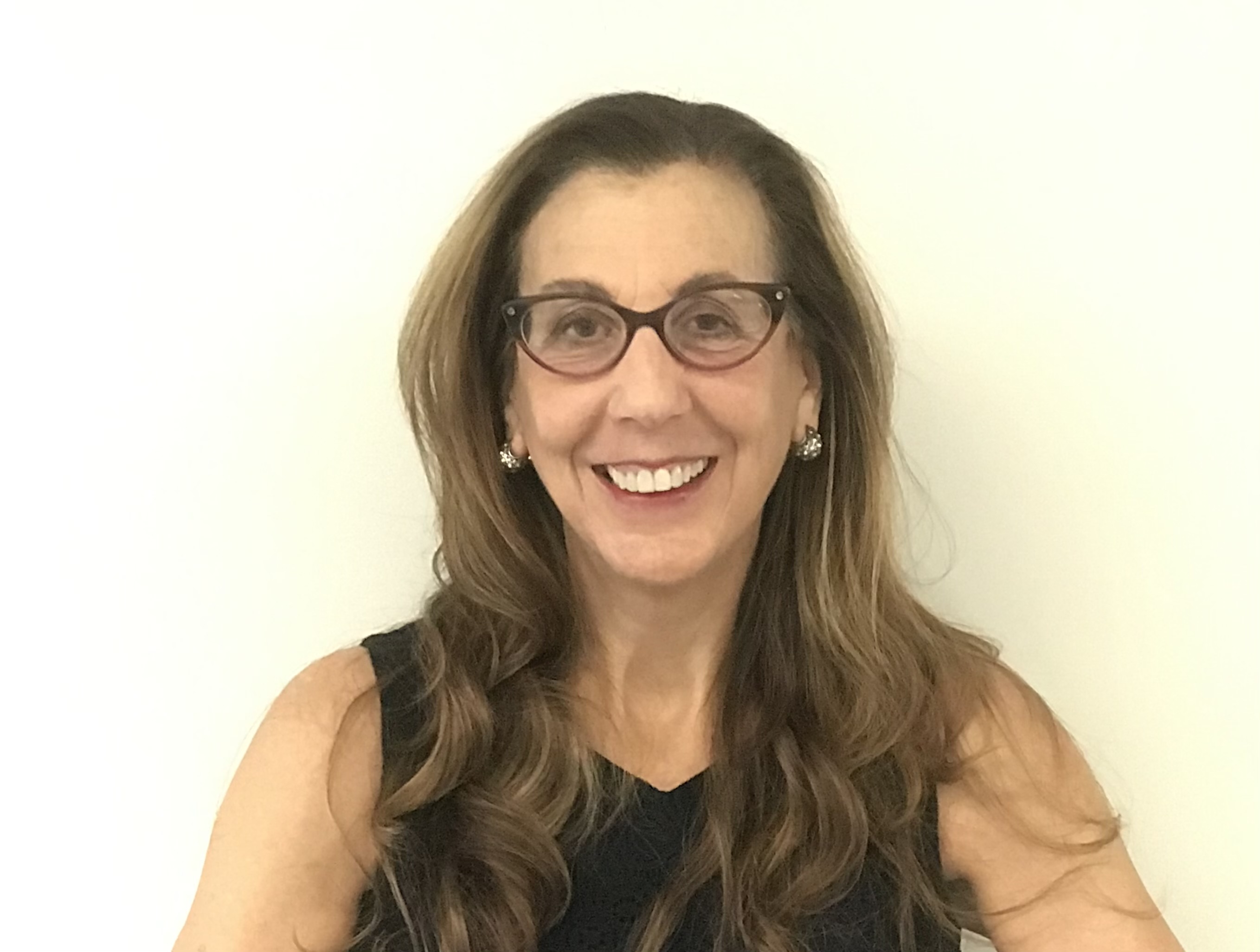
Sandra K. Athans is an award-winning children’s author and a published literacy specialist with vast classroom experience.
Her children’s books represent a mix of playfulness, adventure, discovery, and fun! Her goal is to “glue” kids to her book’s pages with high-interest content that is full of page-turning wonder! In Tales from the Top of the World – Sandra shares nonfiction vignettes of her brother’s seven summits of Mt. Everest. In Secrets of the Sky Caves – she invites readers on scientific expeditions to remote cliff caves in Nepal. These are but two of her many works, which she shares with students in lively and engaging multi-media presentations. Sandra has written at every level, from early childhood fiction, through to award-winning middle grade nonfiction and above.
She is currently working on Chasing Curious Creatures, a playful nonfiction series about unusual animals and the scientists who study them (Astra Books for Children – 2025). Sandra also continues to publish teacher and student resources within the educational market and can provide reading/writing workshops for students and/or teachers along with her author visits.
Dialed Action Sports - GET OUT + PLAY TOUR
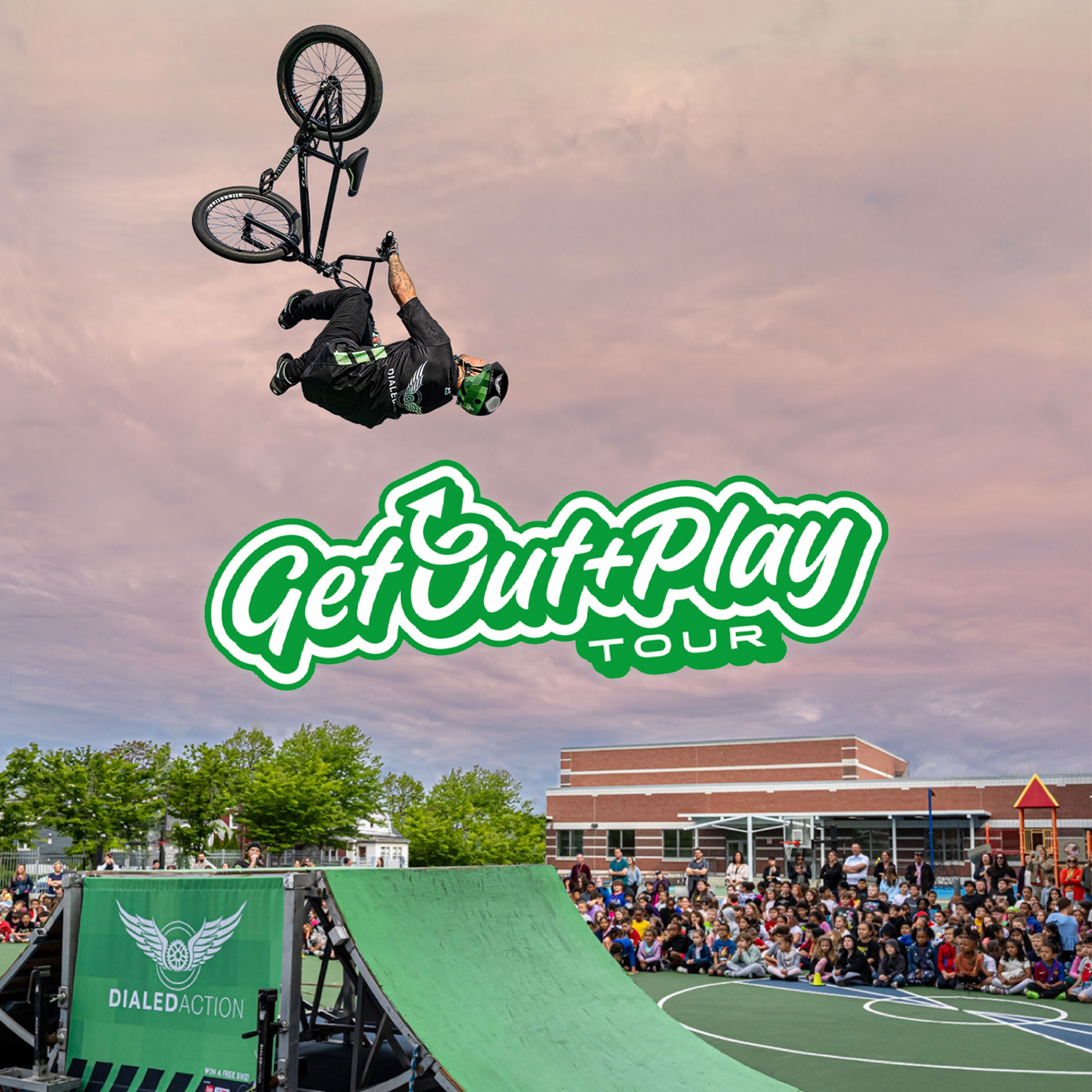
GET OUT + PLAY TOUR
BMX School Assembly programs by Dialed Action Sports
In a world dominated by screens and gadgets, we believe in the power of the great outdoors, exercise, and the sheer exhilaration that comes from pedaling your way to freedom. Dialed Action’s Get Out + Play Programs are on a mission to encourage youth across the nation to put down their phones and screens, get outdoors, and discover the excitement of play. 15 years in business and over 10,000 thrilling shows to date!
Hosting a show is easy!
We provide everything needed to put on a great event. This includes: all setup and tear-down, all PA and mic equipment, power source, floor protection for indoor shows, flexible rain-date options, and full insurance coverage. Multiple show formats also ensure we have the right program for your venue layout and budget.
Available program topics:
We can customize our messaging to align with the unique needs of your school or program goals. Available topics include: ANTI-BULLYING, DRUG AWARENESS, RESPONSIBLE CHOICES, or BIKE SAFETY.
Need help with funding?
Many 501c3 organizations are able to receive funding for our programs. Contact us today and ask about our grant application toolkit.
Contact us today to reserve your spot on this year's GET OUT + PLAY TOUR.
5 Loaves Farm
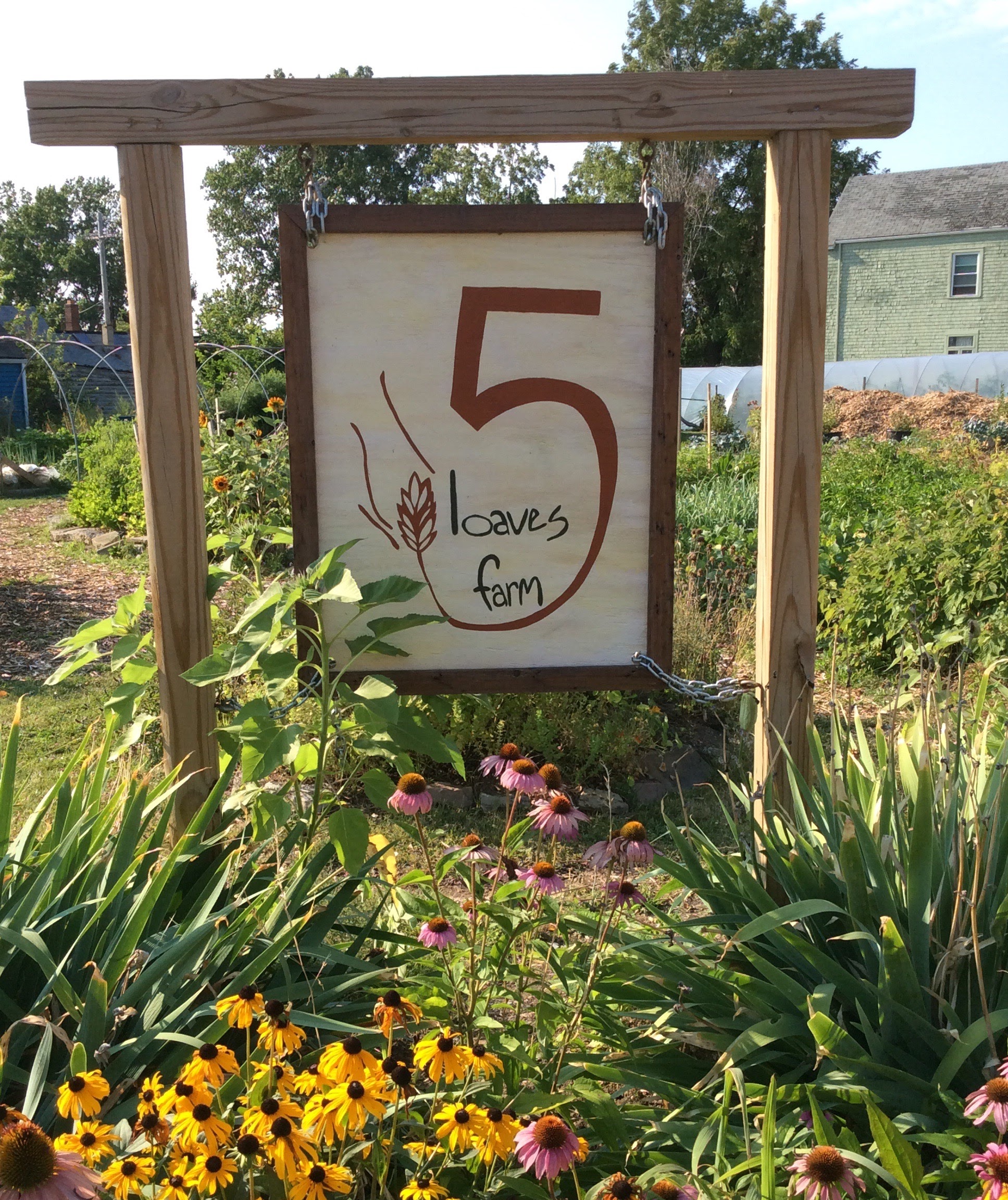
5 Loaves Farm is a unique urban farm that serves as a living classroom where we teach hands-on, minds-on lessons about science and social topics relevant to students in grades K-12. We love working with teachers to provide experiences tailored specifically to your curriculum needs. Our unique position as a farm that includes fruit trees, greenhouses, chickens, bees, and so much more, right in the middle of an urban neighborhood, provides the opportunity to connect various areas of study into meaningful learning experiences for your students.
Opera Saratoga
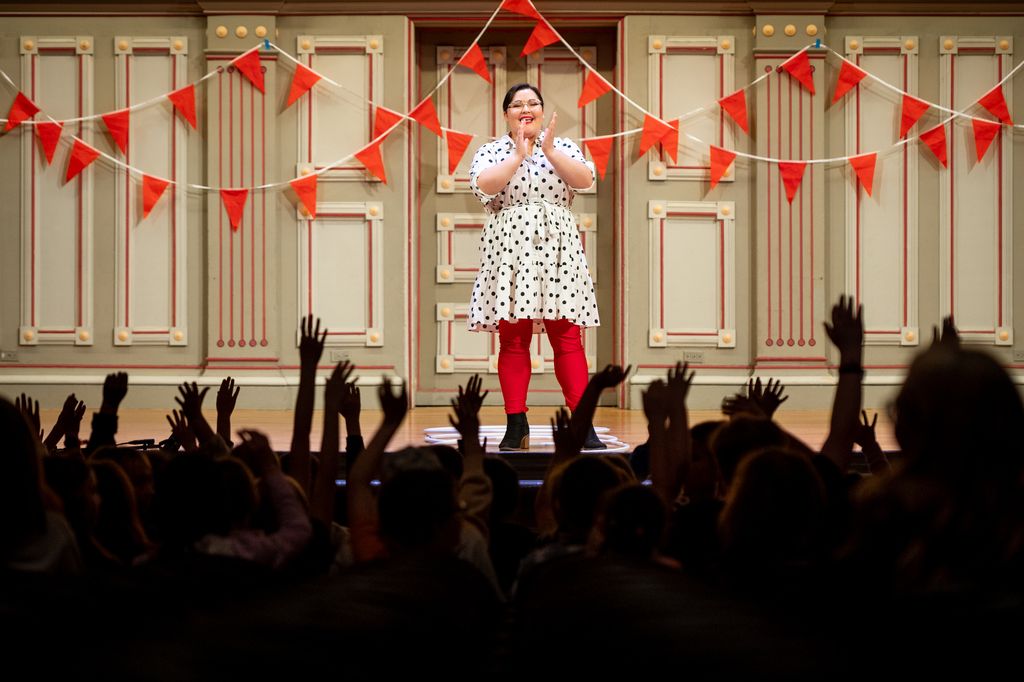
What is Opera Saratoga’s Education Program? Each year, Opera Saratoga tours an Opera production to more than fifty public and private schools throughout the greater Capital and lower Adirondack regions of NY. The performances feature charismatic professional artists who love to share their joy of music and theater through the opera, as well as through question and answer sessions where students have the opportunity to meet the artists and learn about the music and what it takes to put on a performance.
In a world where the default forms of entertainment for children are primarily television, video games, and the Internet, Opera Saratoga’s In-School Opera program provides youth with an all-too-rare opportunity to experience the visceral thrill of the live performing arts, up close and personal! Opera Saratoga's touring program includes a lesson plan that arrives a month before the performance, a professionally staged opera performance in your school, along with a post-performance discussion between the artists and your students. Schools will also receive an invitation to the dress rehearsal of the performances in Opera Saratoga's summer festival.
Contact us now to book your opera performance for March 2025!
Delaware & Hudson Canal Society and Museum

We offer an indoor/outdoor museum experience crafted to align with NY history and social studies standards by exploring the relationship of this early transportation system to geography, history, economics, government, westward movement, and industrialization. For instance, 4th graders will leave with an understanding of: 4.1 Geography of New York State & Maps—Why the route chosen for canal? What mountain range was in the way?; 4.3d American Revolution—It was the War of 1812 that created an energy crisis in the United States when England cut off our supply of coal; 4.5c Civil War—The canal brought coal to power the Union Navy ships. Tanning leather into soldiers’ boots meant increased business/traffic on the canal. The canal was a major contributor to the Union effort. And much more!
Group visits are offered Tuesday-Thursday when the museum isn’t open to the public We can accommodate groups up to 40. Depending on the time of year we can accommodate larger groups by dividing them between our galleries and the grounds outside.
WORKING LOCK MODEL: students can open and close the lock gates and release or add water to the lock to see technology in action - how else to get barges up and down steep inclines?
WEATHER PERMITTING:?
5-LOCKS WALK: Enjoy a shaded walk outdoors on the towpath past five carved stone locks built as part of the 1850 expansion. Illustrated interpretive signs greet towpath users along the way.
LUNCH: A flat grassy area next to the quay is available for a picnic lunch schools bring with them. Students may sit on reclaimed snubbing posts, once used to secure barges.
CAPTAIN SAYS! Elementary grades love an active game of “Captain Says” which teaches canal terminology.
GO HOME WITH AFTER-VISIT ACTIVITIES TARGETED FOR 4TH, 7TH, AND 11TH GRADES.
Mabee Farm-Schenectady County Historical Society

The Schenectady County Historical Society shares stories, inspires dialogue, and encourages understanding of the history, people, and cultures of New York's Capitol Region. Founded in 1905, today we bring history and culture to life through exhibits, programs, and community events. Many teachers know us from the fantastic field trips we offer at our historic sites, like the Mabee Farm. However our programs can be brought to the classroom by our expert educators. Using engaging slideshows and real historic manuscripts, we can bring to life any topic in the K-12 social studies curriculum.
Think Wellness NY
Think Wellness NY has been partnering with schools across New York State since 2017, providing impactful, mindfulness-based enrichment programs that promote academic success, student well-being, and a positive school culture.
All of our offerings are grounded in mindfulness and are designed to help schools address key challenges such as stress, anxiety, behavioral issues, emotional regulation, and low morale. Our programs support Social-Emotional Learning (SEL), improve focus, and enhance students’ readiness for learning and life.
Our enrichment programs for students (Pre-K through 12th grade) include:
Wellness Week
Our signature offering, Wellness Week, brings a full week of rotating sessions in Mindfulness, Yoga, Guided Meditation, and Journaling directly into the school day. Designed for PE push-ins, health classes, or special scheduling blocks, Wellness Week helps students:
Manage anxiety and reduce stress
Improve focus and academic readiness
Strengthen emotional awareness and self-regulation
Build long-term wellness habits
Customizable to each school’s schedule, this turnkey program includes all materials and is taught by certified professionals.
Youth Music Program
This calming, creative program introduces students to the joy and healing power of sound. We bring a wide variety of instruments—drums, shakers, chimes, and more—for students to explore. Through rhythm, sound play, and mindfulness techniques, children build focus, emotional expression, and sensory awareness in an engaging, non-competitive environment.
Mindful Art Program
Our hands-on art sessions incorporate calming techniques and reflective prompts that support emotional growth. Projects such as “Gratitude Cards” using food dye and shaving cream help students express emotions, connect with inner calm, and develop creative confidence. All materials are provided.
Mindful Nature Program
Designed to cultivate peaceful attention and sensory engagement, this program can be done indoors or outdoors and gets students interacting with natural materials. Activities like “Nature Impression Cards” and soil-based art encourage students to get their hands dirty while learning to observe, reflect, and slow down.
Yoga for Kids
Developmentally appropriate yoga classes for students of all ages. These sessions promote self-regulation, flexibility, strength, and mental clarity. All sessions are trauma-sensitive and mindfulness-based, with a strong focus on breath, body awareness, and inner peace.
Staff Wellness & Professional Development
Mindfulness and Burnout Prevention for Educators
Offered as a 1-hour, 3-hour, or full-day training, this workshop equips teachers and school staff with practical, evidence-based tools to:
Reduce stress and burnout
Improve emotional resilience
Model mindfulness in the classroom
Strengthen schoolwide wellness culture
This professional development program has been delivered to thousands of educators across New York and is a powerful tool for supporting staff morale, mental health, and retention.
All sessions are taught by trained professionals and include all necessary supplies. Think Wellness NY is a NYS-approved vendor and eligible for BOCES contracts where applicable. Custom scheduling options are available.
Confident Concerts
Confident Concerts by Caley Rose
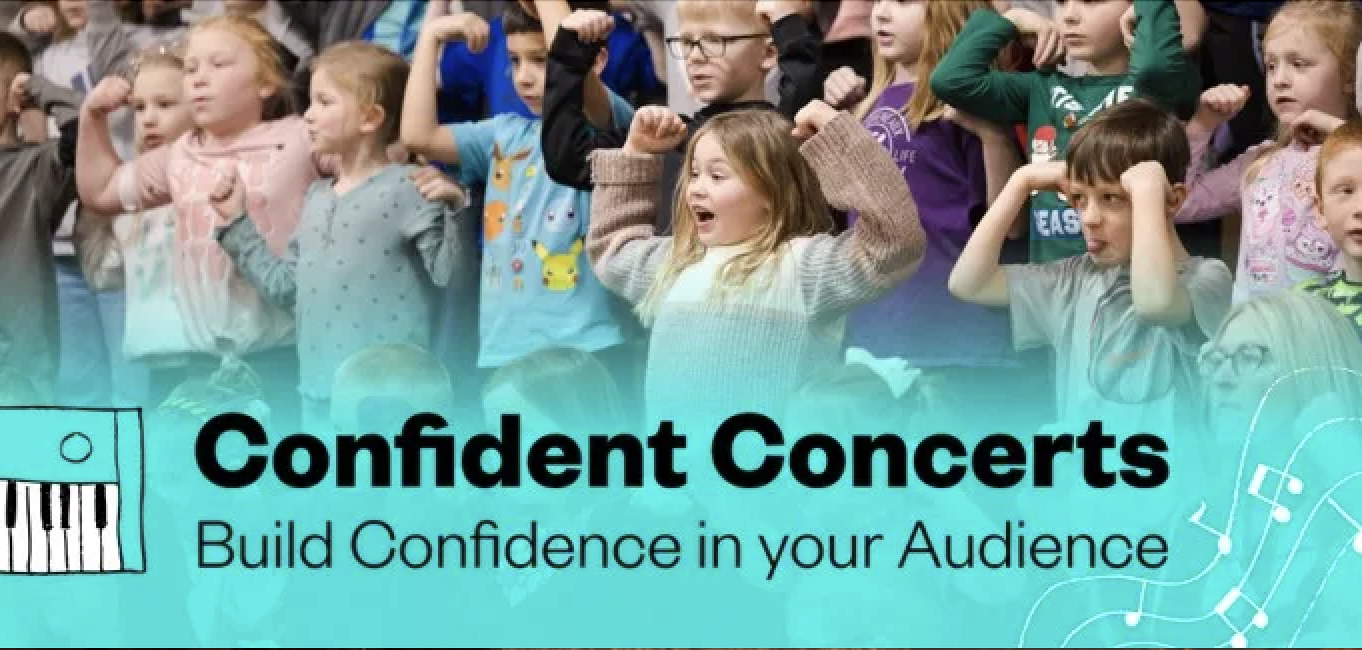
Confident Concerts is an empowering SEL music assembly that blends self-confidence skills, bullying prevention methods, and motivating upbeat songs.
For Elementary Schools
Are you looking for an engaging, interactive assembly that helps your kids achieve their SEL and bullying prevention objectives? Power poses, instrument playing, and affirmations that promote a growth mentality and boost self-esteem are all part of our energetic musical performance.We provide kids lots of chances to become involved! Make a lasting impression while letting their wiggles out with music, movement, and purposeful learning.
Confident Concerts helps create a community of Upstanders with our elementary school assembly and keep them involved throughout the entire process to cultivate a culture of compassion and perseverance at your school. Through music, dance, and thinking techniques, we meet students where they are and assist them in regaining their confidence following bullying and avoiding recurrence. In order to develop resilience, students learn how to normalize unpleasant ideas, reframe self-talk, and acquire mental health tools. We have seen even the most “hard-to-reach” students embrace their peers, initiate a movement, and cultivate a sense of community.
For Middle/High Schools
Do you need an assembly that will truly connect with middle and high school kids and hold their attention throughout? Through music, dance, and thinking techniques, Confident Concerts meets students where they are and assist them in regaining their confidence following bullying and avoiding recurrence. In order to develop resilience, students learn how to normalize unpleasant ideas, reframe self-talk, and acquire mental health tools. We have seen even the most “hard-to-reach” students embrace their peers, initiate a movement, and cultivate a sense of community.
Caley Rose is a Billboard-charting singer and songwriter who has been featured in Forbes, NPR, Authority Magazine, ABC, FOX, Top 40 radio, commercials & more. After being bullied in middle school, Caley dedicated her life to finding her own self-confidence and to empowering students and women to discover their own by using the power of music. She has received awards and grants for her work in music and education and co-designed Music with a Message with leading teen and child psychologists. To date, she has uplifted and empowered over 4,000 students across the US!
Optional Add-ons:
In-class materials for teachers to teach the WOW Principles to self-confidence pre-assembly
Lyric & Chord Sheets to learn the MWM music before the assembly
Take home worksheets
PowerPoint presentation
Breakout groups
Penn Dixie Fossil Park & Nature Reserve
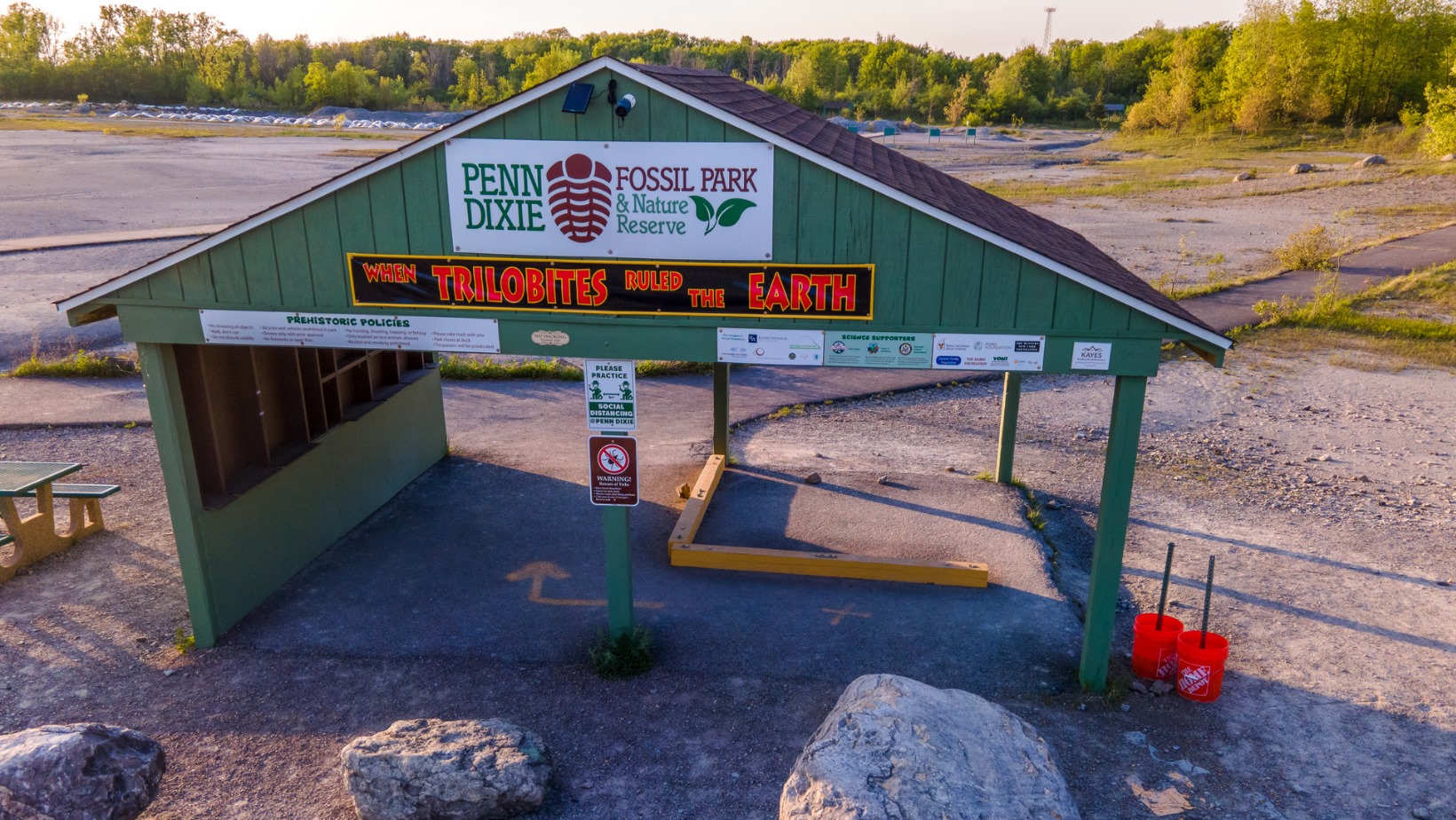
Penn Dixie Fossil Park & Nature Reserve is a 54-acre park located the site of a former cement quarry in Hamburg, NY. Our visitors can collect and keep Devonian Period fossils including trilobites, brachiopods, crinoids, and more! Penn Dixie’s guided tours are led by our trained staff and volunteers who provide age-appropriate presentations on the history of planet Earth. Participants will learn about deep time, extinct life, Western New York’s environment during the Devonian Period and – of course- fossil collecting! Your group will experience earth science in a unique, hands-on, outdoor setting. All geological specimens found during field trips may be kept by participants! Additionally, we offer in-person and virtual classroom outreach programs focused on the natural sciences.
Top Youth Speakers

Top Youth Speakers is proud to offer a roster of over 30 top ranked speakers for youth and professional staff audiences. We provide speaking services for assemblies, workshops, conferences, and professional development or leadership training for all levels of the educational field. From anti-bullying and kindness to resiliency and burnout prevention, we are proud to serve the Arts in Education network with stellar experiences.