Regions Map
X
Erin Eckler
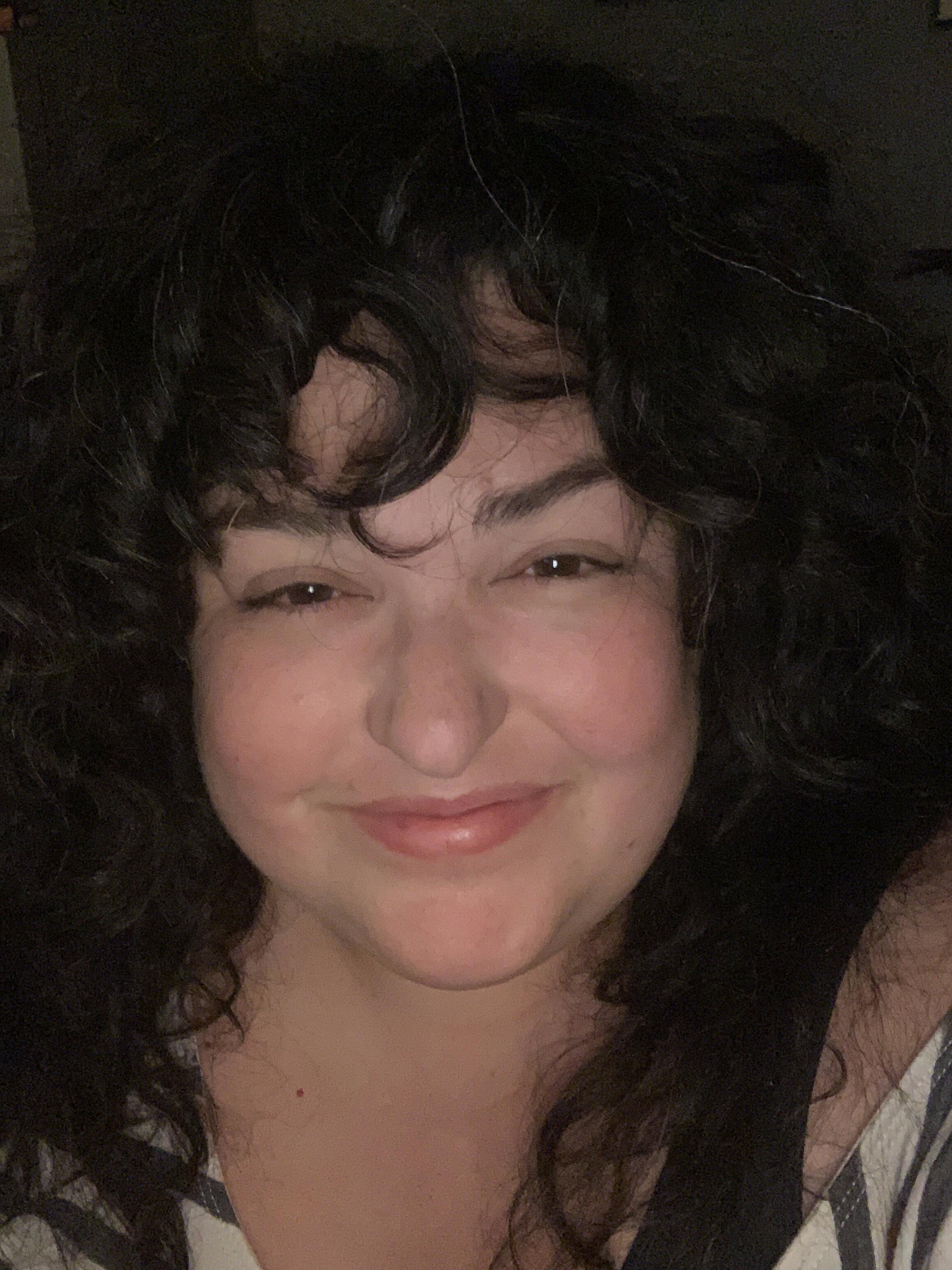
Sculpture/ Written Word Residency
In this residency, students will work with multi-media artist Erin Eckler to construct poetry or a creative writing piece that will be transcribed onto a sculpture that visually illustrates their writing. The sculptural element will be constructed using recycled materials ranging from fiber to paper.
The first half of sessions will guide the student to begin creating their written work while learning techniques for breaking down and reforming the recycled materials. The second half of sessions will be supporting the constructing of their sculptural pieces while fine tuning their poetry and prose.
The students will be taught hand sewing, weaving, 3D construction, collage, and how to deconstruct recycled materials for use. Resident artist will provide technical support and problem solving as needed while the students construct their pieces.
Yoga/Mindfulness with Donna Coogan
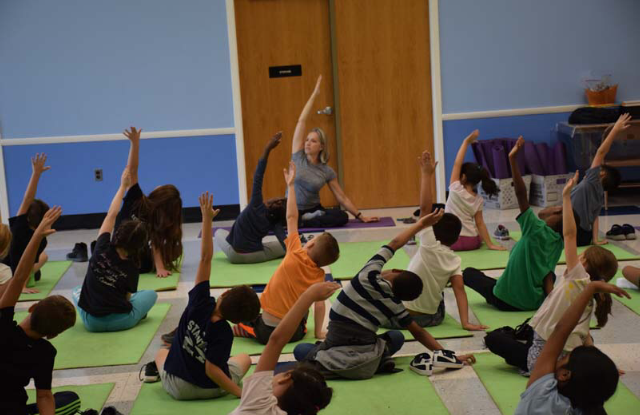
Yoga promotes inner and outer strength, confidence and self-esteem. Students learn how to move their bodies using yoga poses, connect with their breath using breathing techniques and still their minds using visualization.
Mindfulness is the ability to stay present in the moment as it is, to pay attention on purpose. Students learn focusing and calming techniques allowing them to stay present. These practices of self care will certainly serve them throughout their entire lives. Students work at their own pace in a fun, supportive environment.
Donna has certifications ERYT 500, RCYT, RPYT, YACEP through Yoga Alliance, teaching for over 25 years and has extensive experience teaching students in schools and camps for over 15 years.
The Binghamton Crosbys
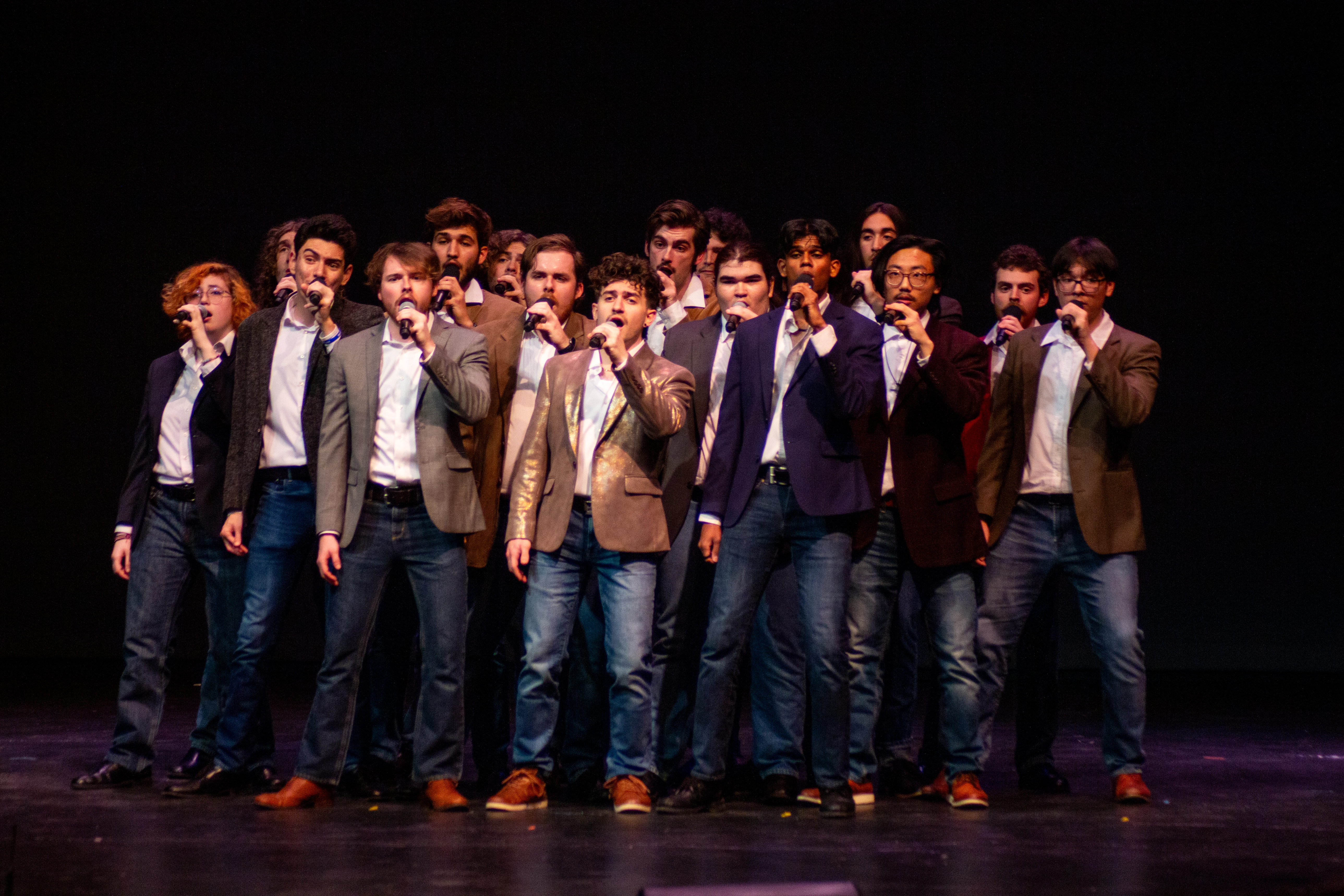
We are The Binghamton Crosbys, Binghamton University's oldest a cappella group. We are a TTBB group and have been active for over 40 years, with repertoire covering everything from classic rock hits like 'Cecilia' (Simon and Garfunkel) and 'Mr. Roboto' (The Styx) to modern songs like 'Writings On The Wall' (Sam Smith) to niche classics like 'I Wanna Be Like You' (The Jungle Book). Our goal is to show that artistic pursuits do not need to end after high school. With many of us pursuing majors outside of the arts, we use music as our creative outlet for expression. Every January, we go on a Winter Tour around the state of New York, performing at schools, assisted living facilities, nursing homes, and other venues. In addition to performances, we also offer workshops to choir groups and music classes where we teach students sections of our songs. If you are interested in having us perform for your school, please contact us using the email or phone number provided. Thank you!
Freestyle Mindset
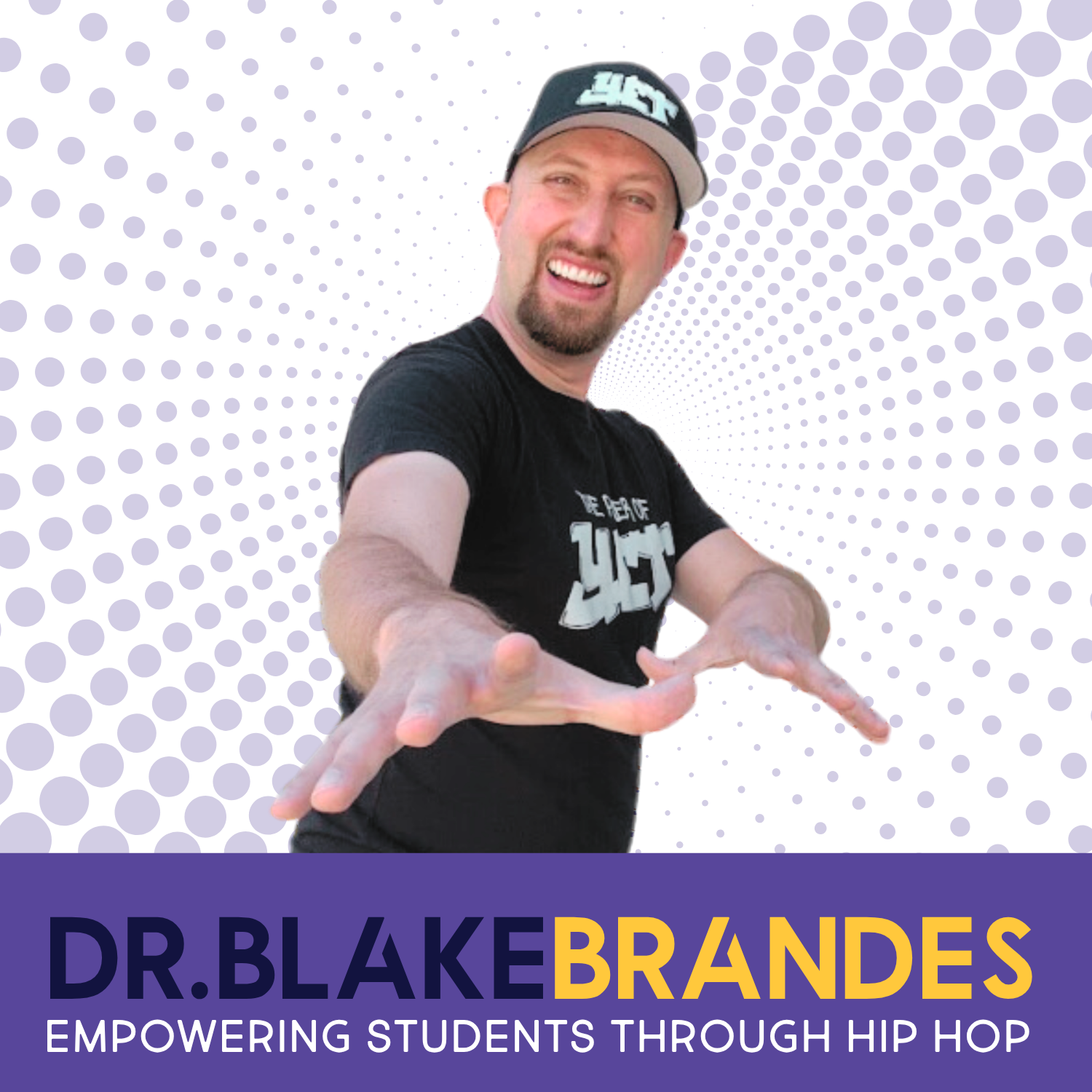
Dr. Blake’s assemblies feature age-appropriate and engaging lessons infused with beatboxing, comedic storytelling, and family-friendly freestyle rapping. Each presentation is customized for elementary, middle, and high school students with unique stories, humor, and messages that resonate with each audience. Parent presentations, staff PD, and video program options are also available.
Program options include:
Growth Mindset
Digital Citizenship
Kindness and Empathy
State Testing
Family Literacy Night (featuring Dr. Blake's illustrated Growth Mindset-themed children’s books)
Splash Art Murals
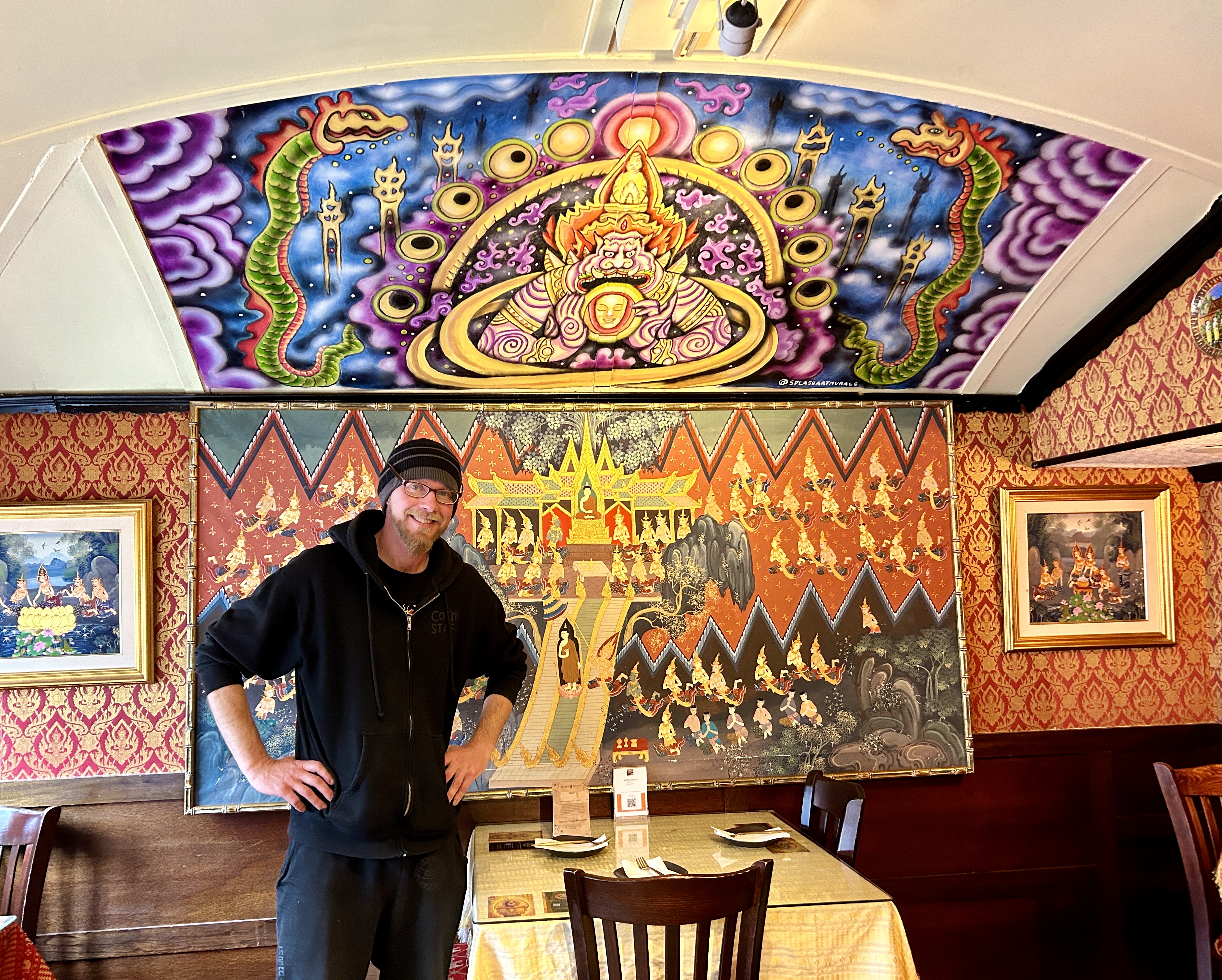
Brian Zickafoose is an award-winning Hudson Valley muralist, illustrator, and educator whose work bridges fine art and community engagement. As founder of Splash Art Murals, he transforms storefronts and public spaces across New York with vibrant seasonal and thematic designs that celebrate creativity, collaboration, and local identity. His large-scale projects—such as the Seeds of Connection mural at the Dutchess County Fairgrounds and the Art Day in the Village community banner series—demonstrate how art can activate public spaces and inspire collective pride.
Through interactive workshops and artist-in-residence programs, Brian guides students in exploring visual storytelling, symbolism, and design thinking while building confidence and teamwork. His programs align with Visual Arts and SEL standards and can be adapted for grades 3–12 in classroom, assembly, or mural formats.
Bonnie Gale, Willow Artist
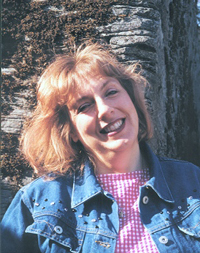
We offer hands-on learning experiences for all levels and ages in the creation of woven three dimensional baskets, lanterns, living structures and sculpture.
Shaker Heritage Society
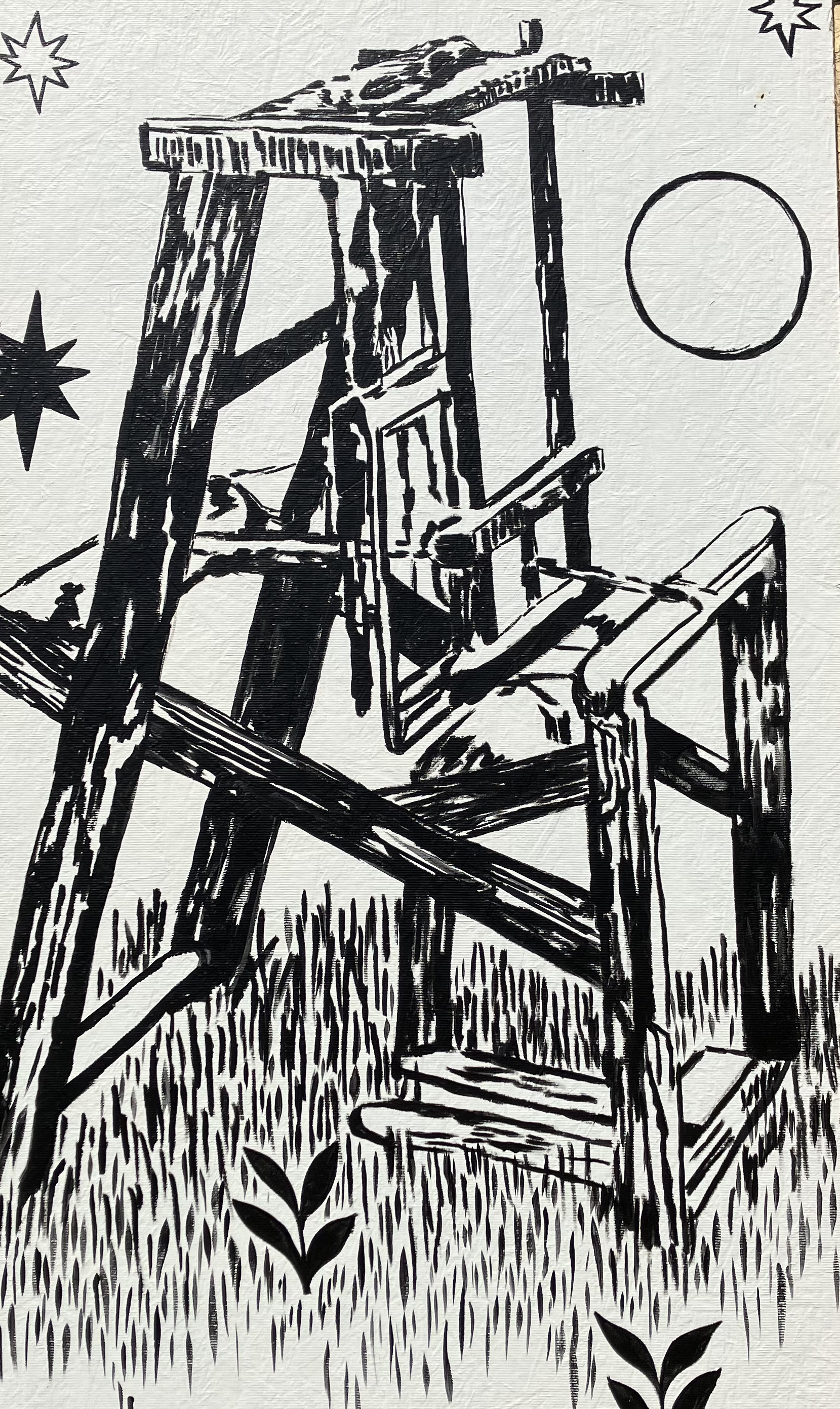
Programs present the fascinating story of the Shakers, beginning with their arrival to our site in Albany in 1776, under the leadership of a woman named Mother Ann Lee. We follow their impact on local and national history and material culture. Daily life in this community was deeply impacted by the introduction of the nearby Erie Canal which fueled its transformation from an agricultural community to a community that was both agricultural and industrial. The Shakers lived as hard working and mindful innovators. They were strict pacifists who sought religious freedom and relinquished private property within their communities, and embraced human equality regardless of gender or race. Today, the Shakers are probably best known for their human-centered architecture and furniture design. It’s simple, functional, and beautiful. It's easy to get lost in the aesthetic qualities of Shaker objects, so a big part of what we do is bring attention to the human side of these objects, and how they are reflective of Shaker values. Students can learn to weave on a loom, and other hands-on activities are possible.
The UP Guys
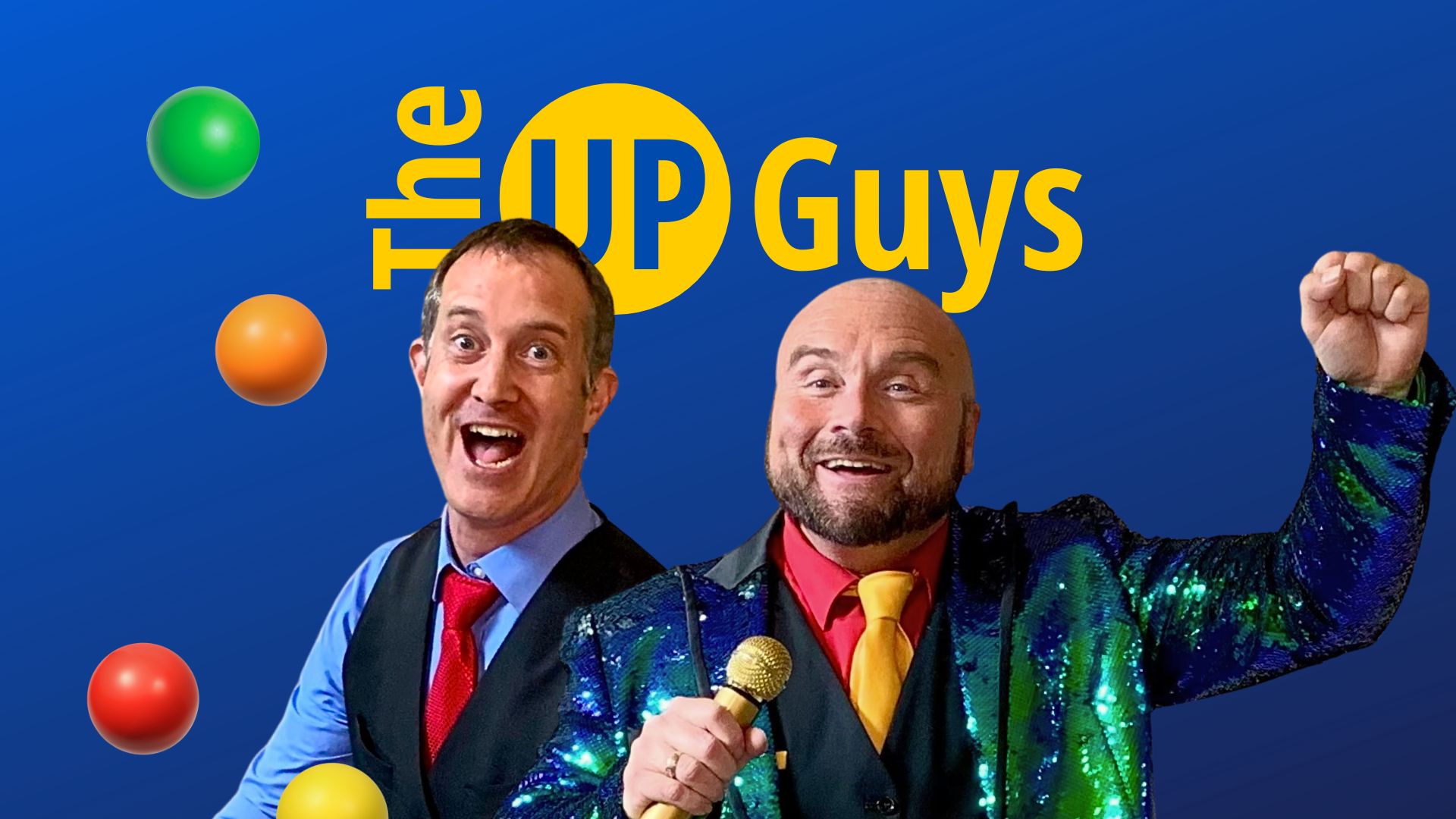
Nurture fun, character, wellness, reading, STEAM, and more with The UP Guys! Nels Ross and Richie Derwald uplift and empower through elementary, middle, and high school assemblies as well as staff development.
They have shared 2500+ solo or duo programs to rave reviews from schools, arts centers, libraries, recreation, museums, and others. Applying their diverse training in theater, variety arts, music, and education, they promote laughter and learning!
See www.theupguys.com/teaching-artists for more.
Poet Billy Lamont
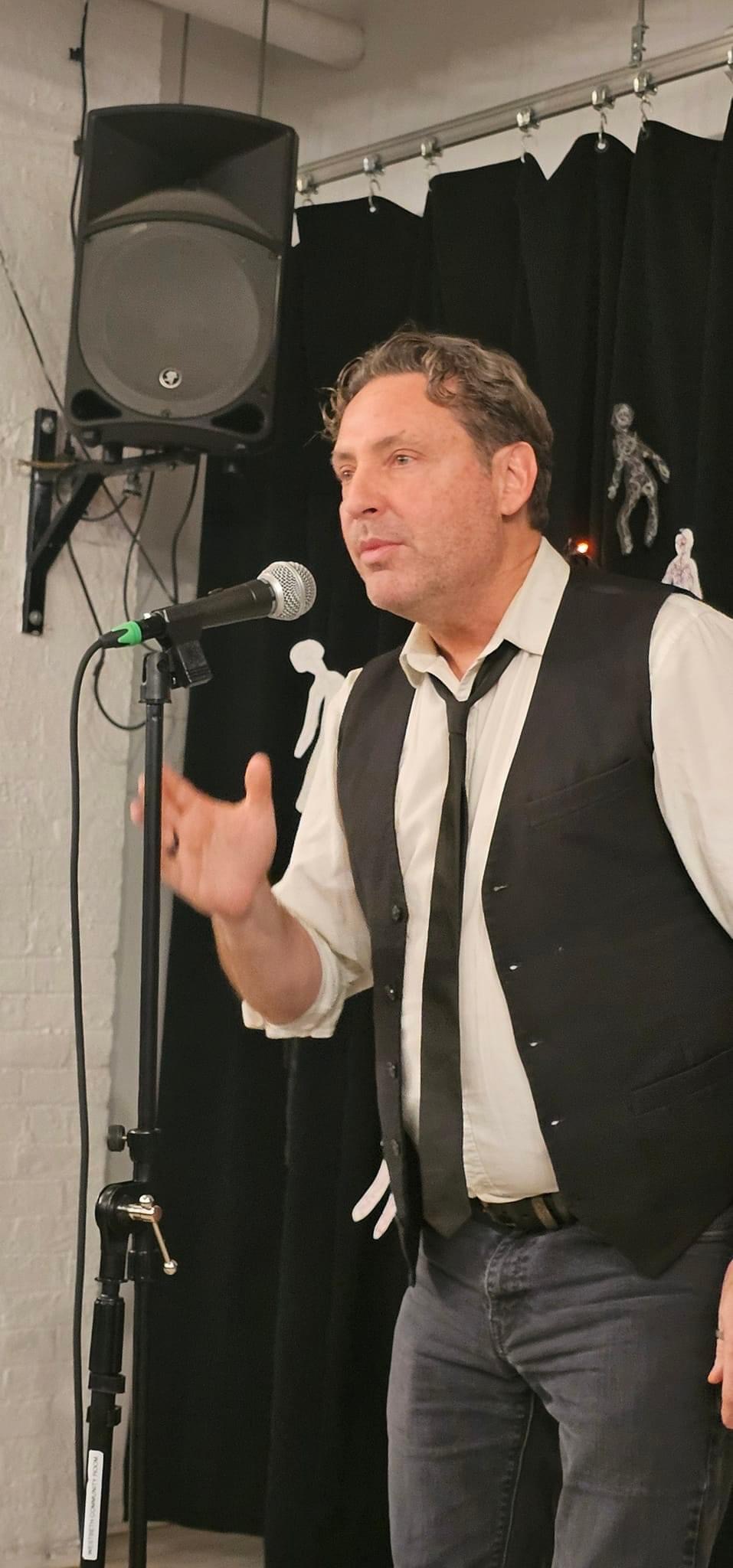
Billy Lamont’s poetry workshops, designed to strengthen student’s writing skills, are aligned with New York State English Language Arts Standards for Reading and Writing. Lamont explains the different forms of poetry, giving examples from his own poetry, and speaks about the importance of knowledge, imagination, and wisdom of heart and mind for success in life. Lamont affirms that students have a right to their own feelings and that it is healthy to express themselves through poetry. Lamont recites his poem, ‘Dignity’ to help students understand their unique value and to inspire them to fulfill their great potential. In support of The Dignity Act, he tells students that they can gain an understanding and empathy of other people, including those from different cultures, through reading their poetry. He emphasizes the importance of empathy in building community and stopping bullying in our schools.
BILLY LAMONT BIO 2025
Billy Lamont is a NY based American poet, spoken word artist, recording artist, and experimental multi-media performance poet, with a reformer spirit, and international reach. He has been interviewed and performed on national television a number of times, including Joe Franklin Show, MTV, and MUCH MUSIC Television broadcast from Toronto, Canada.
He has toured and performed with Lollapalooza rock festival several times including in the Poetry Tent in 1994, on The Lab side stage in 1995, and representing Jubilee USA/International in The World Of Just BeCauses activism tent while performing poems of activism on the Booty Camp side stage in 2003. He has appeared on college and major radio stations across the U.S. including Z-100 live from Lollapalooza in NY in 1994. He has also given in-store book signing events at major and independent bookstores throughout the U.S.
Lamont has three books of poetry, and as a recording artist has nine album CD/digital download releases. His latest book Words Ripped From A Soul Still Bleeding: Poems For The Future Edition is available at Barnes & Noble and Amazon as a paperback, or as an eBook, and all his albums can be streamed on Spotify and Apple Music.
He was awarded a Guinness World Record for his poetry performance contribution to a benefit song for Love Hope Strength Foundation and those fighting cancer, that was recorded by Mike Peters of The Alarm in 2014, and was the ‘longest officially released song ever.’ This song titled The Scriptures was written as a seed of peace for Muslims, Christians and Jews in The Holy Land.
His 1998 debut album CD/digital release Into The 21st Century was a benefit for Teen Challenge, with performances by two of his greatest influences, the legendary Allen Ginsberg and the brilliant Mike Peters of The Alarm on the title track. In his later years, Ginsberg expressed his love and support for Lamont’s poetry with permission to use an audio sample from one of his first recitals of the Beat Generation epic poem Howl.
The passion to inspire hope and to be a voice for everyday people is at the heart of his poetry. His poems encourage dignity, uphold life and have been a catalyst for many people to live in a more loving way, to find their own voice and for personal and social reform
The Tales of Scuba Steve
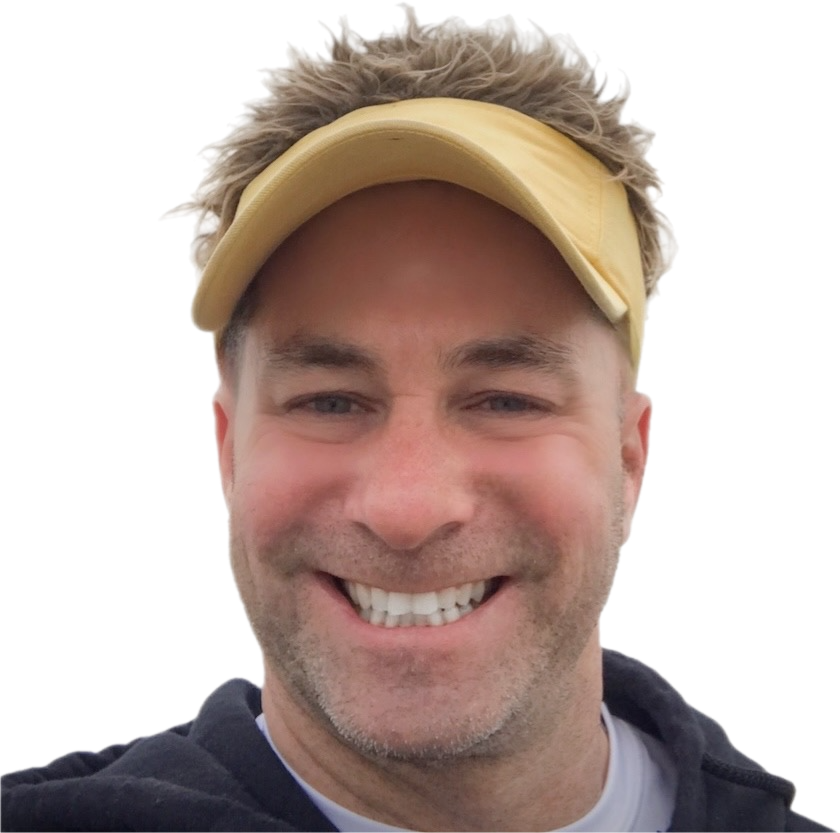
Scuba Steve will read and discuss portions of his book(s) with students, there will be video and photos to bring the books to life.
Scuba Steve will engage with the students, speaking and answering questions about what inspired him to become a professional scuba diver and environmental conservationist and how he was able to redirect this passion into writing books as well as his writing process.
Additional topics will include current issues facing the marine environment, its inhabitants, and what each of us, even children, can do to help.
Proceeds from book sales go to his “Read4Reefs” program to help ensure their sustainability and future.
Daniel Carlton
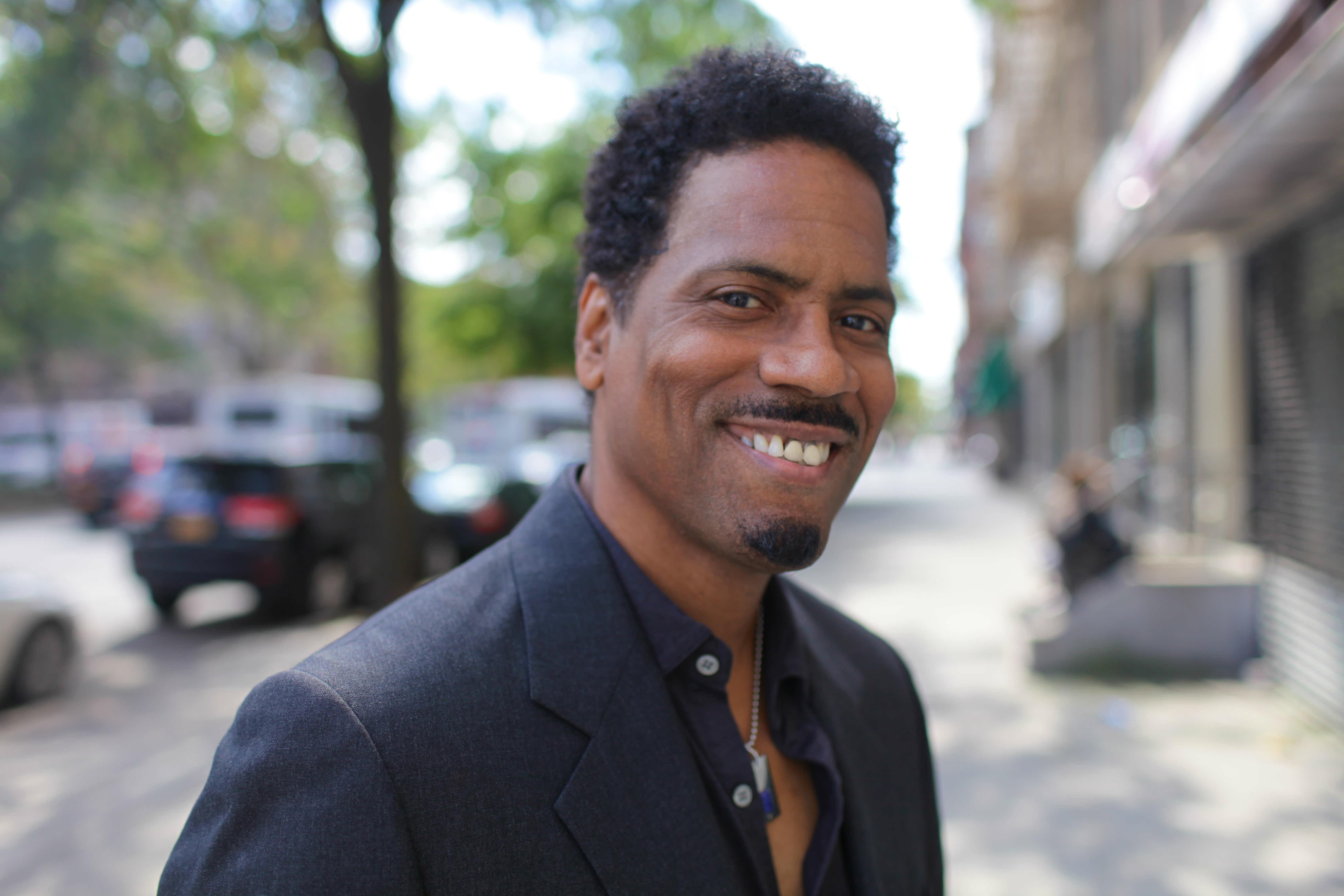
Daniel Carlton is a multiple award-winning actor, storyteller, playwright, poet, lyricist, director, and teaching artist. His performances and workshops, for practically every age level, address a vast variety of topics including poetry, storytelling, history through drama, life skills through dramatic role plays, and so much more. He is also a published author.
Recent performances include productions of “Finding North”(with David Gonzalez) and “The Meeting”, in addition to seventeen Off-Broadway productions, multiple solo shows, and performances with the Children of War Theater Project. Directing credits include “Jabari Dreams of Freedom” (New Victory Theater NYC, National tour), “Hero: Boy From Troy" (First Woman Productions.National Tour), “48 Hours in Harlem" (Harlem 9 Theater Co.), “Freedom Riders” (Mad River Theater Works), and “What If” (Negro Ensemble Company). An enthusiastic creator of new works, Daniel wrote and directed the national tour of “Keep Marching” (Mad River Theater Works), “March On” (Apollo Theater), “Pigfoot Mary Says Goodbye To The Harlem Renaissance” (Schomburg Center For Research and Black Culture), “Night Train 57” (Kennedy Center workshop), and “Freedom Flight” (national tour), as well as penning “A Whistle in Mississippi”, (with Micheal Green )“Check Yo Invite Parts 1 and 2”( Live Theater and Radio Play HarlemStage) and “Timeless Journeys (various tours)”.
With Nambi E. Kelley, he also co-wrote “Hidden Inside”, “This Ability”, and “So Journey To The Truth”. Daniel’s work as a Storyteller has been presented in places as varied as Summerstage Kids and Family Series( Parks throughout the 5 boroughs), The Museum For The City Of NY, The Brooklyn Museum, The BrooklynChildren’s Museum, hundred of libraries, schools, temporary housing facilities, and even war zones.
Solo Storytelling For Family audiences shows Include:The Eagle in Harlem and Other Tales.” Urban “Folktales Remixed” Memories of Self Journey To Weeksville, and many more.
Daniel teaches acting to all ages, poetry for both the page and performance , life skills, public speaking, playwriting ,and devised theater for organizations that include : Apollo Theater Education , Alvin Ailey Dance Foundation, Community Works, Blackberry Productions, MadRiver Theater Works, YAFFA Performing Arts, JazzMobile, CityParks Foundation , First Woman Productions , NYU, University Of Iowa, and many more.
Daniel can perform solo or, depending on budget, in duo or trio format.
There are other videos on YouTube. Here's video of an interview explaining the Finding North project he performs with David Gonzalez. Daniel can perform this solo. https://youtu.be/uj7KZ4SF4nQ?si=qSk4SjB7cLr9hqFv
Daniel has several other shows which we can send you information about upon request.
Magic of Reading
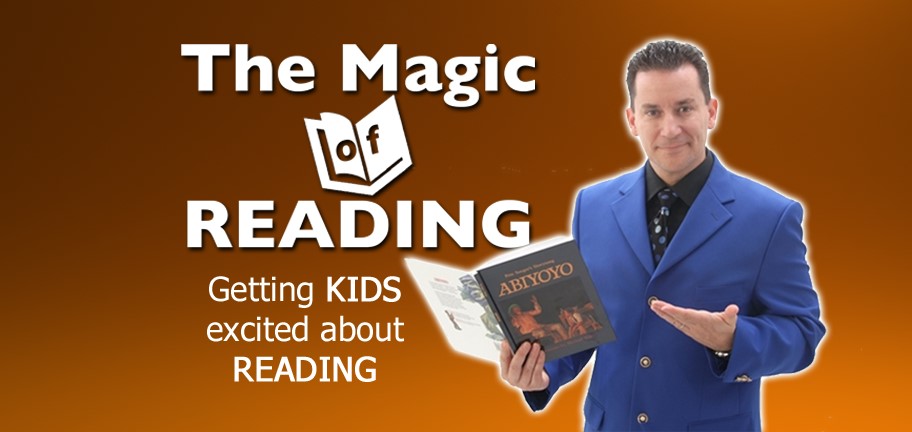
The Magic of Reading with Brian Richards is designed to tickle the imagination, highlight the fun of reading, and encourage children to explore the library. This elementary reading school assembly will inspire your students to open a book and start reading!
Featuring magic, comedy, audience participation, storytelling, and educational fun, The Magic of Reading assembly show is a hit with students, teachers, and staff! Librarians, Teachers, PTA Presidents, Principals, Students, and Parents have and continue to give amazing reviews for this program.
This elementary reading school assembly show promotes reading and the importance of visiting the library, utilizing Magic, Comedy, Storytelling, and Audience participation. The Magic of Reading will touch on reading genres and the types of books found in the library, including Fantasy, Adventure, Mysteries, Science Fiction, Horror, Non-Fiction, and more. The show features the books “The Empty Pot” and “Abiyoyo.”