Regions Map
X
Performance Videography by Merelis Productions
Effective self-assessment is crucial for learning in the performing arts, and a high-quality recording of a stage production provides an invaluable reference once the performance is complete. Merelis Productions specializes in filling this need.
For over 25 years, our videographers have partnered with independent, charter, and public schools, as well as professional performing arts and regional theater organizations throughout the NYC tri-state area. We offer 2-camera videography and video editing for a variety of on-stage events, including musicals, plays, concerts, dances, graduations, and other presentations.
For each performance, we provide two expert videographers with cameras on tripods and strategically placed microphones. When available, we can also integrate a direct feed from your house sound reinforcement system to ensure the best possible audio mix for the final video. We deliver a 1080p digital video file that participants can use for self-assessment, and as demo footage for future auditions, artistic portfolios, and college applications.
With 25 years of experience recording events in school settings and over 275 productions annually, we are dedicated to providing recordings that reflect the effort invested in your productions. We would be delighted to collaborate with you to enhance your performers' self-assessment opportunities.
The Binghamton Crosbys
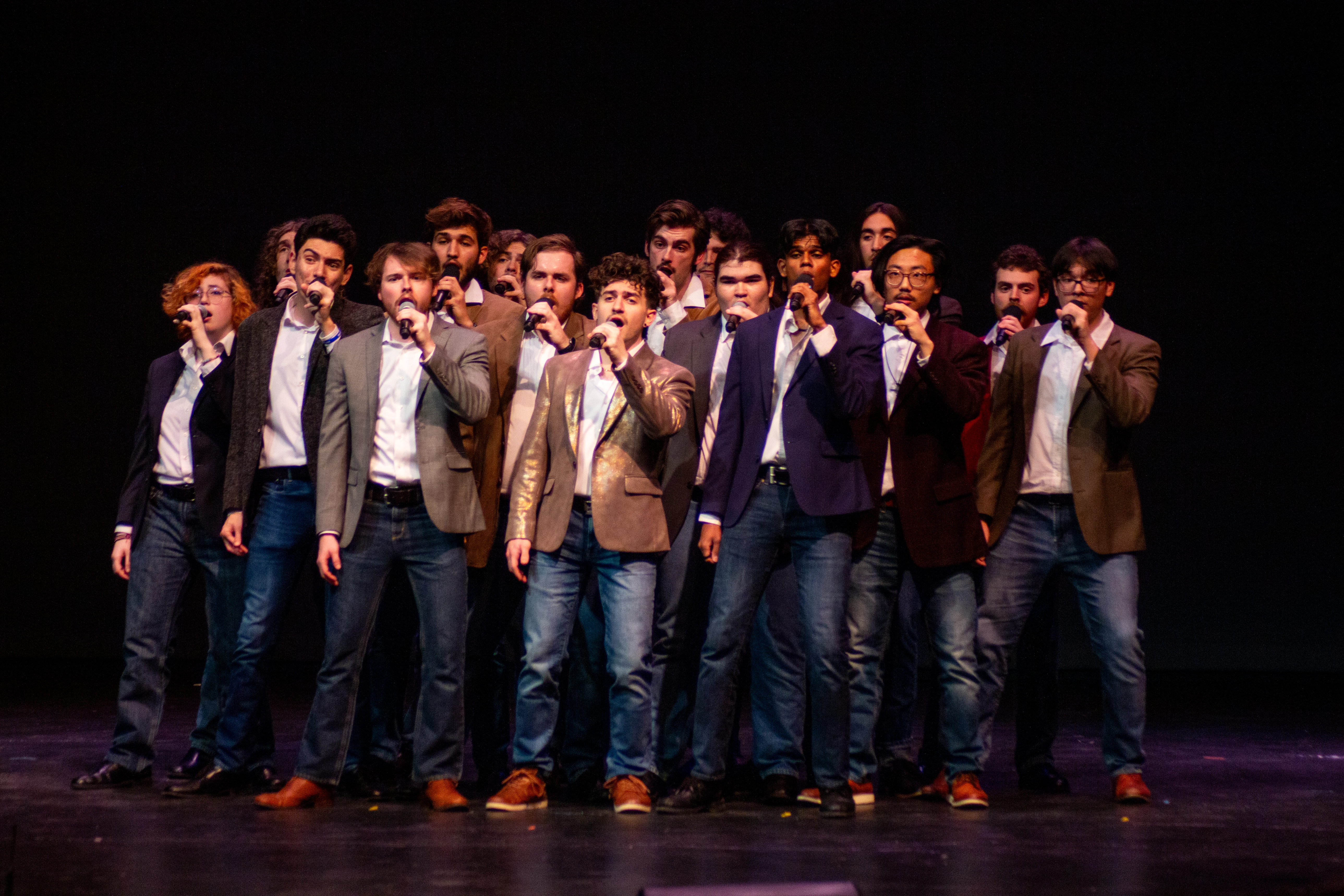
We are The Binghamton Crosbys, Binghamton University's oldest a cappella group. We are a TTBB group and have been active for over 40 years, with repertoire covering everything from classic rock hits like 'Cecilia' (Simon and Garfunkel) and 'Mr. Roboto' (The Styx) to modern songs like 'Writings On The Wall' (Sam Smith) to niche classics like 'I Wanna Be Like You' (The Jungle Book). Our goal is to show that artistic pursuits do not need to end after high school. With many of us pursuing majors outside of the arts, we use music as our creative outlet for expression. Every January, we go on a Winter Tour around the state of New York, performing at schools, assisted living facilities, nursing homes, and other venues. In addition to performances, we also offer workshops to choir groups and music classes where we teach students sections of our songs. If you are interested in having us perform for your school, please contact us using the email or phone number provided. Thank you!
Marianna Smith
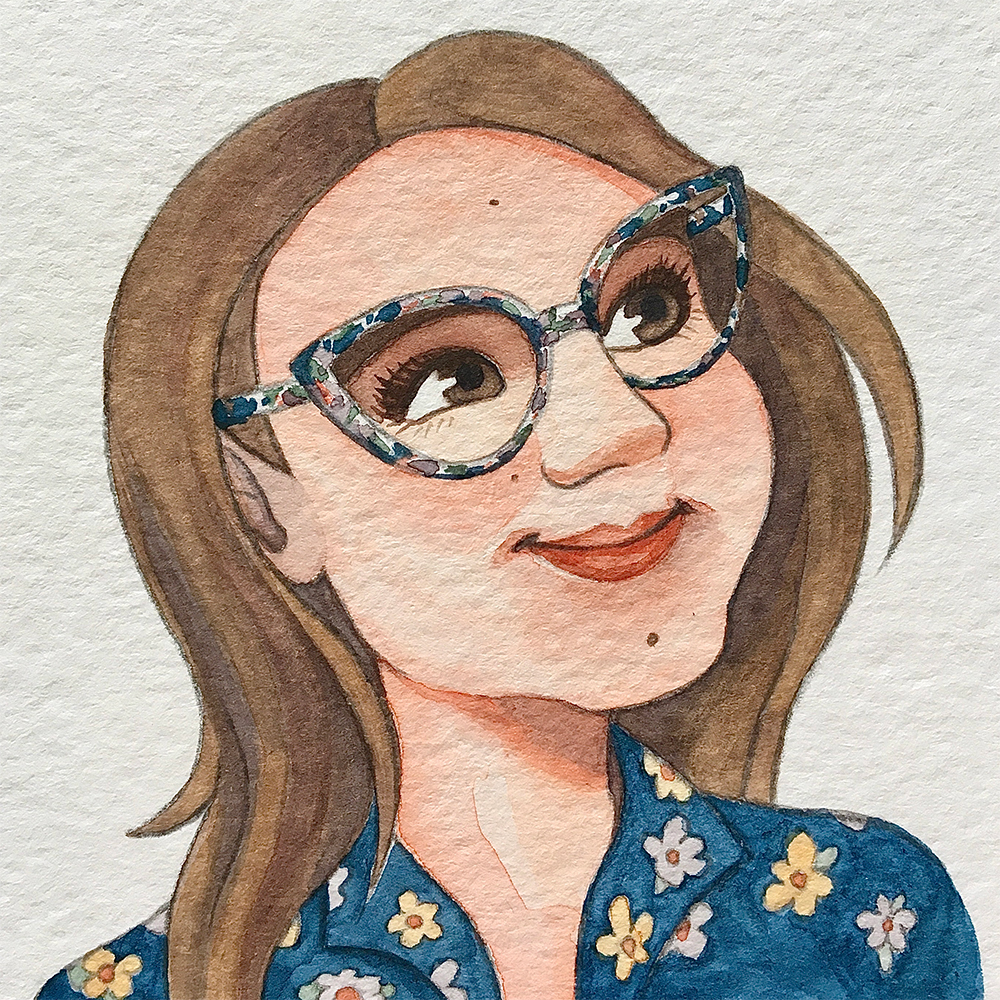
I’m a children's book illustrator who offers virtual and in-person presentations for students in grades K-12. I enjoy sharing my illustration process, inspiration, and joy for picture book illustration with students. My presentations feature a slideshow with images about my artistic process and life. Presentation topics and formats are flexible and can be tailored to the needs of each school. My goal is to inspire students to believe in their abilities, develop their own definition of creativity, and think creatively to solve challenges. If you’d like to learn more about school visits with Marianna, please contact ms@mariannasmith.com.
Super Stories
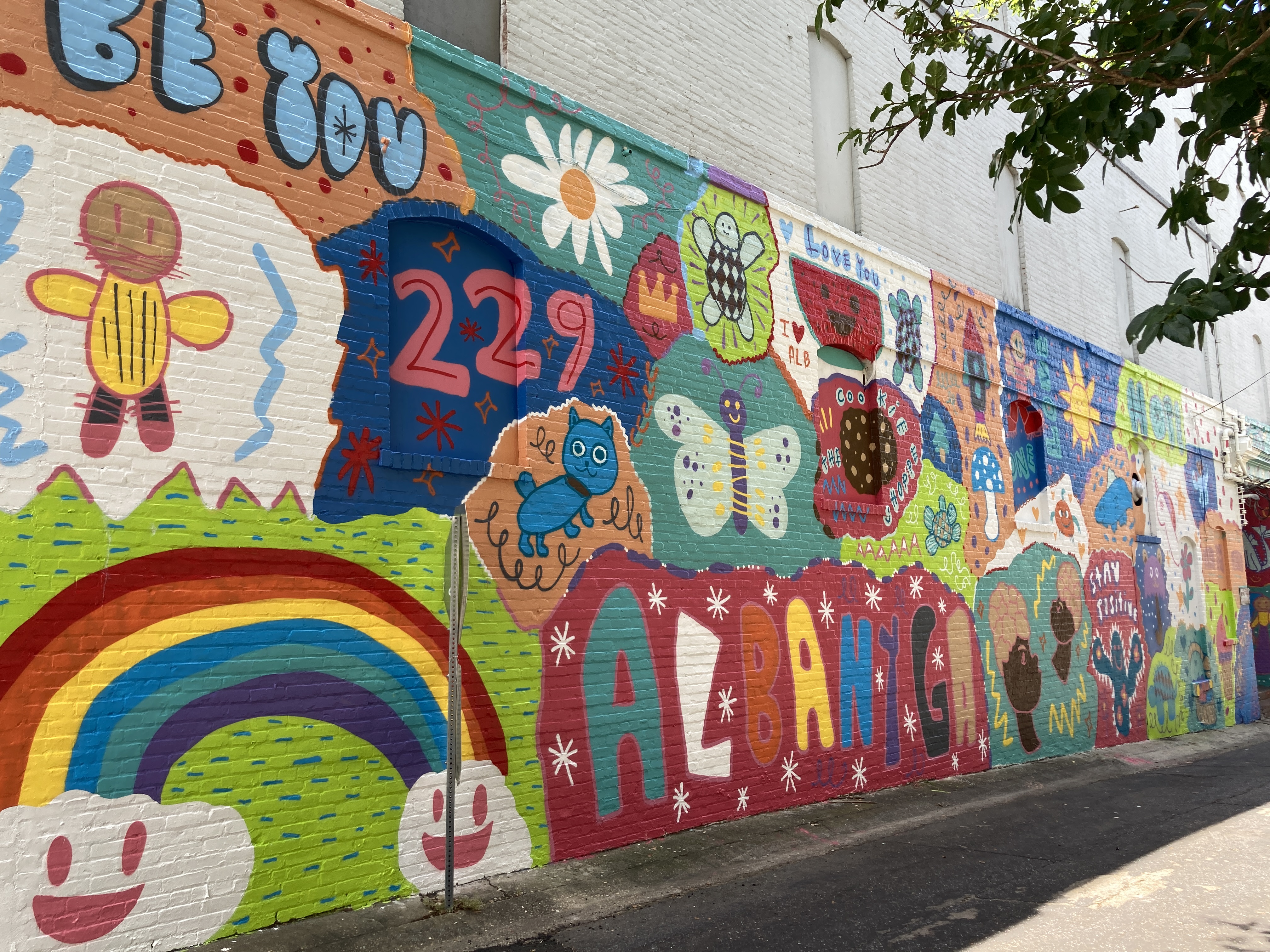
We offer a one of a kind school mural program where the students are centered in the work and entire process from brainstorming to final painting. Our mural process involves a brainstorming session where we have the students drawing and coming up with ideas that touch on the theme that is chosen by their school. We then take those drawings and create a digital sketch using the actual drawings from the students. We involve every student from the school in the painting process so that they are able to have ownership and a hand in the creative process. Our unique approach creates a sense of joy and excitement for all participating students and staff as we are able to transform these hallways into large colorful pieces of public art that have an authentic student look and feel to them. We make sure that the final outcome looks professional and clean while still elevating student work from the paper to the wall. We have painted with over 7000 students in the past 2 years creating about 25 murals!
We also offer a variety of arts based hands on workshops crafted for all age groups like mask making, printmaking, paper pulp sculptures, paper mache and much more!
Imaginary Circumstances
Imaginary Circumstances brings theatre education to K–12 students across the Capital Region. Taught by working actors and educators, we offer classes and workshops in acting, improv, and writing for groups of all sizes—plus in-school puppet and improv shows. Our Professional Development workshops help teams boost creativity, collaboration, listening, and communication through theatre.
Jen Calonita
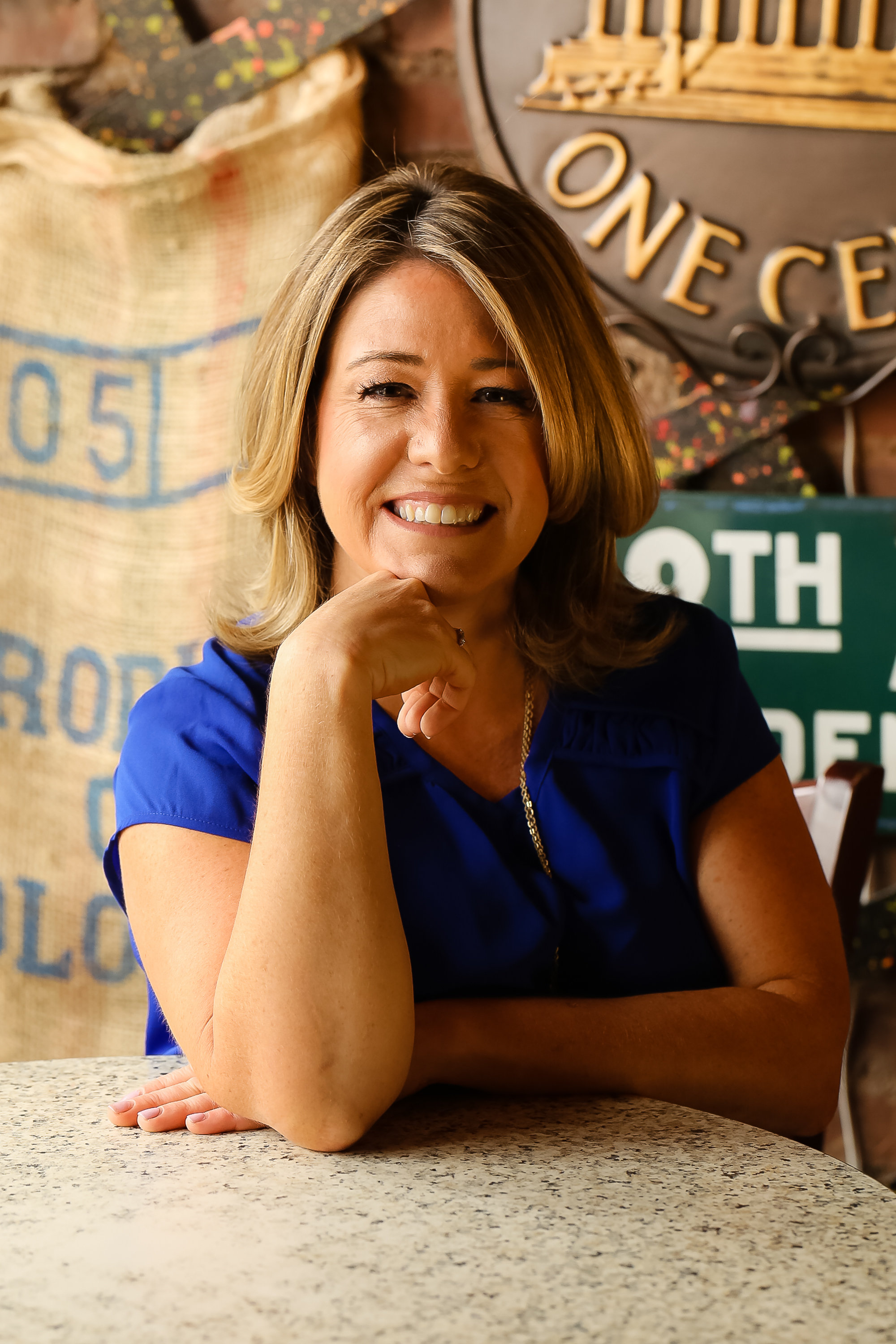
New York Times bestselling author of middle grade and young adult author of over 40 books, Jen Calonita offers both large and small group author assemblies and writing workshops that focus sparking creativity in children. Using popular fairy tales, Jen offers both a "Twisting Tales" workshop for younger and older grades as well as an editing workshop for older students. Her assemblies focus on how she went from a reluctant reader to a writer and how students can turn their own ideas into story magic.
Bardavon 1869 Opera House
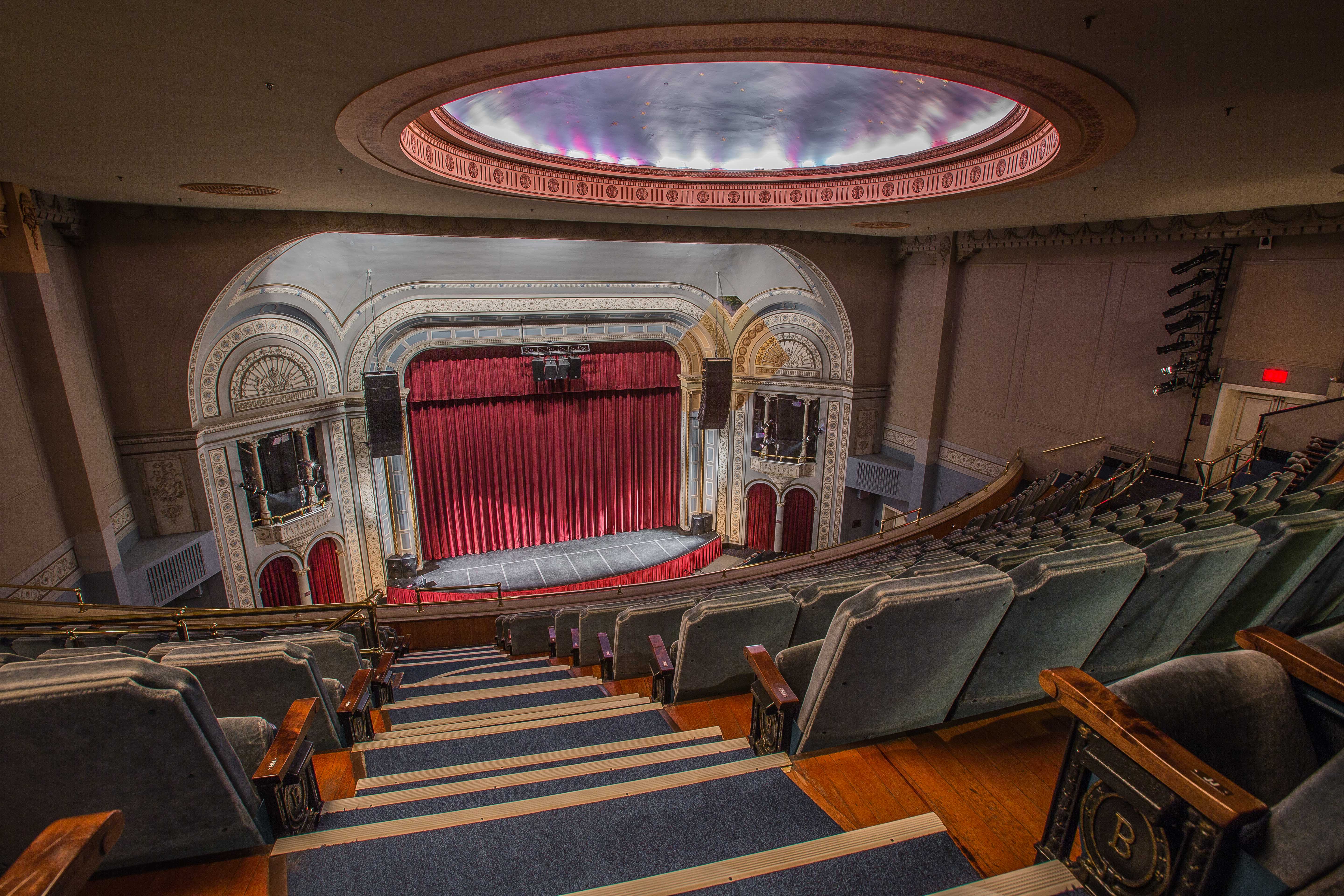
Bardavon 1869 Opera House, Inc. (known familiarly as “the Bardavon'') is a New York State nonprofit corporation that owns and operates two historic theaters. The 928-seat Bardavon 1869 Opera House in Poughkeepsie is the oldest continuously operating theater in the state, among the oldest in the country, and is listed on the National Register of Historic Places. The 1500-seat Ulster Performing Arts Center/Broadway Theater (UPAC) is a National Register property built in Kingston in 1927. UPAC was merged into Bardavon's corporate structure in 2007.
The Bardavon consistently presents the highest quality music, dance, theater, and classic films in both its venues. The Bardavon has brought together artists, businesses, and government to produce outdoor events that draw thousands of residents and visitors to the region annually, providing free access to superb art as a source of community pride, urban revitalization, and cultural tourism. The Bardavon Education Program partners with regional schools in offering unique arts-based learning experiences for students and innovative tools for teachers.
The continued restoration and preservation of the Bardavon 1869 Opera House and the Ulster Performing Arts Center/Broadway Theater is also a vital aspect of our mission.
Jackie Fischer | Ceramic Sculpture
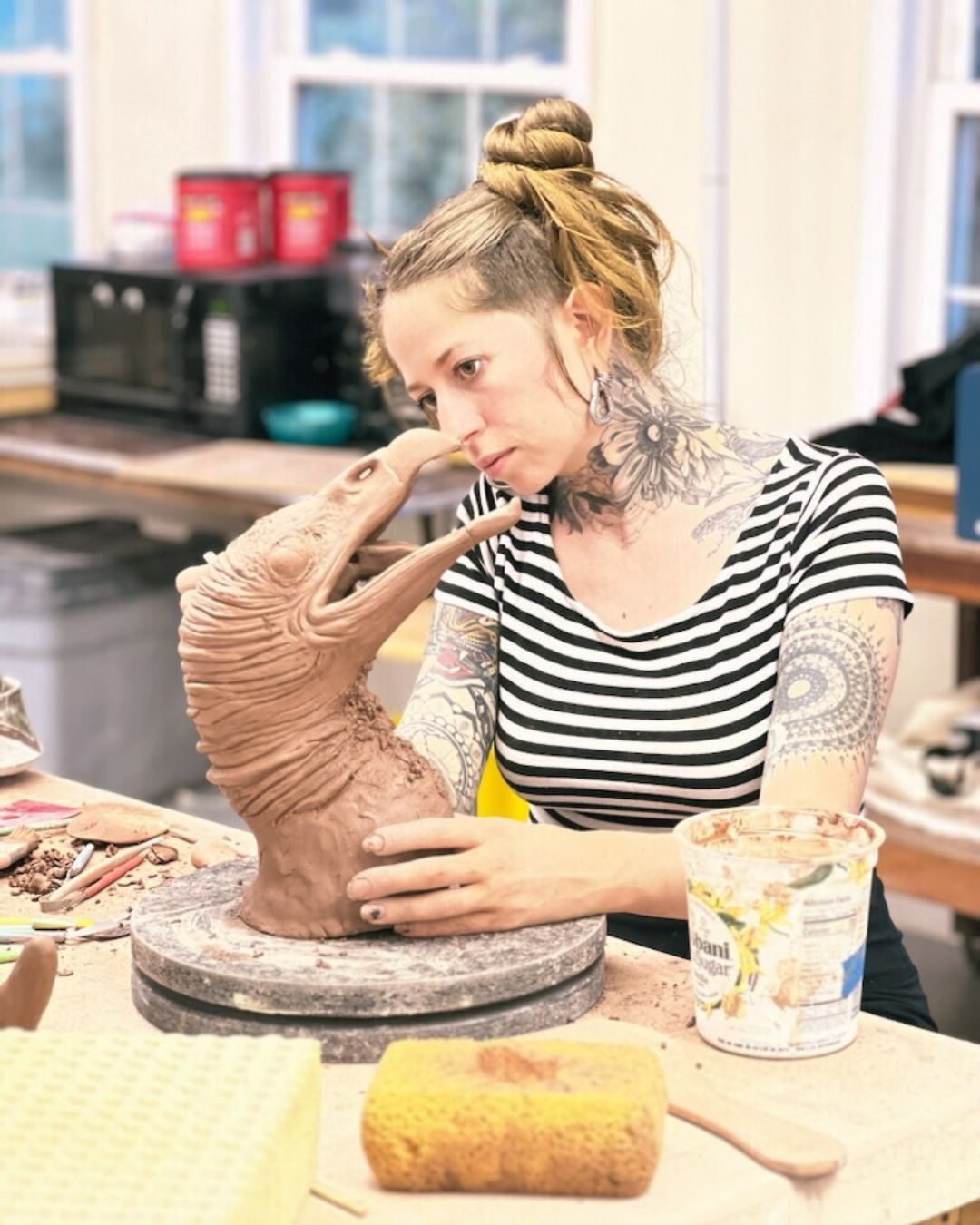
I’ll start each workshop with a slide show of my personal journey into the arts. This will start from my entrance into the arts back in high school where I was guided away from the arts by guidance counselors and administration. I’ve found this to be helpful to mention as many students can relate to this.
My entrance into the arts started in ceramics and has led me to Mould Making, Metal Casting, Fiber & Silversmithing. I’ll discuss how perseverance, determination, hard work, and elbow grease has awarded me with scholarships, grants, shows, and teaching opportunities that enable me to travel to craft schools and residencies to continue making work. I’ll show the evolution of my work and include photos of in-process works from different studios throughout the years.
This introduction will last about 30 minutes concluding with 15 minutes of questions.
I’ll continue with about 20 minutes of demonstrations and disperse materials for hands-on building. At this point, I’ll make my rounds to meet with each student and troubleshoot their project ideas and the best way to construct them. I’ll call the class over to discuss which method of building would be best depending on the desired outcome as there is no one way to make something.
Program Descriptions
Workshop 1: Personification of an Object
First steps into the world of Abstract art by warping reality one object at a time. Students are prompted to give humanistic features/characteristics to inanimate objects to create something that’s never existed before.
Workshop 2: Re-Create Everyday Objects
Students will be asked to bring in 3-5 everyday objects. We’ll discuss different methods of construction, play with scale, and explore the surface through color and texture. Refrain from bringing in objects that are made out of ceramic materials.
Workshop 3: Large Forms inspired by the Ancient World and Today
This workshop focuses on giving students the necessary skills to create large vessels. Students will be asked to find references of Vessels from Ancient Egypt, China, Mesopotamia, or contemporary artists.
-hand-building on a larger scale helps beginner students quickly adapt to the properties of clay and respond to the material quicker than something small. This method of construction [coil-building] is the oldest method of building with clay, allows for lots of adjustments to form and scale for a beginner student, causes you to be attentive to the material.
-Discuss the benefits of hand-building and the freedom/ability to build in a gestural way, why this is helpful.
-Ask students to choose or draw a silhouette to mimic for their vessel
– A blueprint/reference photo is VITAL to making a successful shape, make this mandatory, this will help assist them in achieving the shape they want to.
-brief demo on darting– show them how to edit a shape that’s not going in the direction (shape-wise) that they’re going for.
Workshop 4: Advanced Techniques
Ask students to make an object (sculptural or functional) using the extruder and slab roller. These can be very gestural, architectural, or realistic.
-Demo how to construct a form using slabs slumping/wrapping/template techniques (cut-outs slipped and scored together)
-Emphasize that the appearance of the object will be determined by what method of construction students wish to use (explain and show examples of architectural vs. gestural, organic vs geometric forms, etc.)
-Demo how to use an extruder and how to attach extruded shapes securely together/to the form.
Clay & tools can be provided for an additional fee.
Rosamond Gifford Zoo
Friends of the Rosamond Gifford Zoo offers many different learning opportunities for all ages and abilities. We can travel to your location within a one-hour radius of the zoo. We can do virtual learning for anyone, anywhere! Onsite at the zoo we offer guided tours, project-based learning projects, professional development for teachers to learn more ways to use the zoo as a living classroom, self-guided educational opportunities, Pre-K literacy series, STEM challenges and immersive classroom experiences. Choose from one of our topics or we can customize a program specifically for your needs.
Catskill Art Space

CAS Kids offers free arts-education to local children with weekly classes. Every Wednesday, children experiment with drawing, painting, and mixed media while learning new techniques and expressing their unique imaginations. Every Thursday, children explore the performing arts through games, improvisation, and acting. They'll build confidence, spark imagination, and learn to work together while bringing stories to life. Every second Saturday of the month, children unleash creativity in the art studio with a variety of drawing, painting, and mixed media workshops. Please visit our website for more information and registration.
Rachel's Challenge
Rachel’s Challenge provides school presentations that inspire kindness, connection, and hope. Our assemblies for students and staff address bullying and violence prevention while equipping schools with practical tools to improve culture and strengthen relationships.
Math and Music Fusion
Your students get a backstage pass to the musical side of math in this upbeat, hands-on program led by musician, composer and edutainer extraordinaire George Maurer. Listening is at the core of George’s work as a musician, and his ability to not just listen but really hear has led George through a pretty amazing and diverse 35-year career. George has shared the stage with Grammy winners like Bruno Mars and Eric Clapton, his arrangements have been performed by the Boston Pops and the National Symphony, and he turns on that star power to show K-8 audiences that math really can rock. Utilizing the magic of motion-based modern electronic instruments, George pulls back the curtain on the addition, subtraction, fractions and patterns behind rhythm, pitch and scales and then lets students create their own sounds and patterns using elementary equations and interactive instruments for all age levels— including the mysterious, mesmerizing theremin.